Without them, we restrict our own access to the international marketplace and undermine our influence on and ability to participate in the development of safe and secure nuclear energy programs abroad.
What Is a 123 Agreement?
A 123 agreement sets up the conditions under which the United States can undertake significant nuclear cooperation with another country. For example, U.S. companies are not generally authorized to export equipment and materials without a government-to-government (or bilateral) agreement in force. This agreement is casually known as a 123 agreement, in reference to Section 123 of the U.S. Atomic Energy Act of 1954. It is formally called a U.S. Bilateral Agreement for Peaceful Nuclear Cooperation. (Emphasis on the word “peaceful”!)
The purpose of these agreements is to prevent diversion of commercial nuclear materials and technology from their intended peaceful use. Because the U.S. nuclear trade controls apply only to our trade partners, failure to conclude a 123 agreement means lost U.S. influence over that country’s nuclear program. And because no other nuclear supplier nation matches U.S. standards for nuclear security and nonproliferation, failure to conclude a 123 agreement also means a de facto reduction of nonproliferation and security standards. In places such as Saudi Arabia, this cannot be allowed to happen.
We currently have these important agreements in place with more than 50 nations. They are not trade deals like NAFTA or TPP that lower trade barriers or allow greater access to the U.S. market for foreign suppliers. In fact, U.S. law allows us to buy nuclear materials, components or technology from other countries without a 123 agreement. 123 agreements are required for U.S. companies to export to foreign markets and they are essential to spreading U.S. standards for safety, security and nonproliferation around the world.
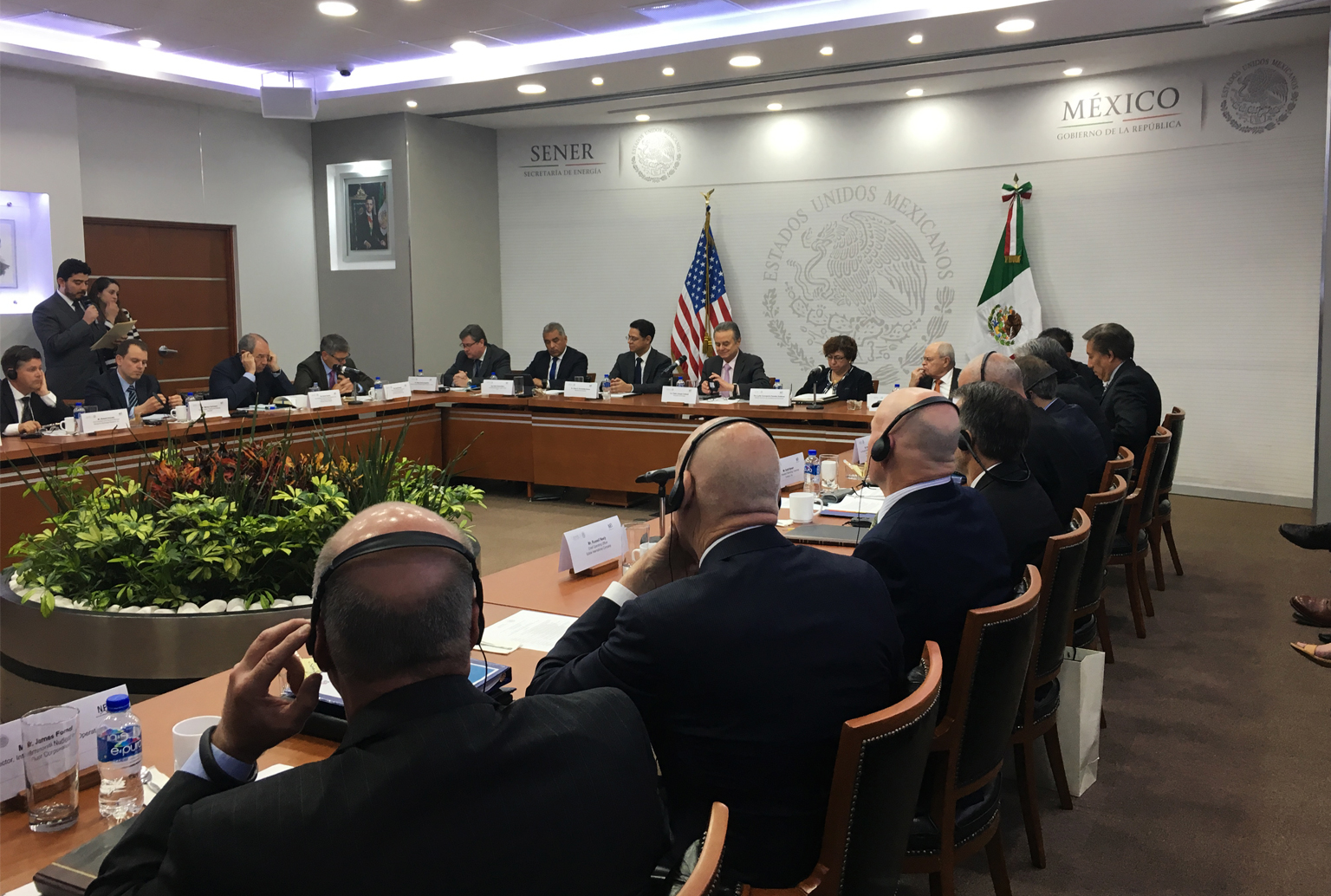
Many nations that are developing or expanding nuclear energy programs do not have a 123 agreement with the United States, which closes those markets to American businesses. For example, Saudi Arabia and Mexico want to expand their nuclear energy programs, yet neither have 123 agreements with the United States. When the United Kingdom exits the European Union in 2019 (and with it EURATOM), there will no longer be a 123 agreement in place between the U.S. and the U.K. Consequently, these markets will not be open to U.S. exporters. Meanwhile, foreign suppliers such as China and Russia are actively pursuing nuclear projects in these countries. The U.S. is the only nation that requires a government-to-government agreement by law.
Why Exports Matter to National Security
Current Priority
The U.S. needs more bilateral agreements for peaceful nuclear cooperation in force with other nations. These are essential in order to access all nuclear energy markets, especially those that play pivotal roles in nuclear safety and nonproliferation. Tell your federal representatives you support agreements with other nations—including agreements with Mexico, the United Kingdom and Saudi Arabia.
Little Known Facts About 123 Agreements
- A 123 agreement includes no fewer than nine assurances of nonproliferation, including standards for used fuel. These are the world’s most stringent nonproliferation standards and unmatched by any other nation.
- For most of our partner countries, a 123 agreement streamlines U.S. companies’ ability to get export authorizations as well, saving U.S. exporters up to a year in costly approval time.