- Nuclear innovators gaining wide support among governments, investors, host communities
- DOE, administration, Capitol Hill backing efforts to bring advanced nuclear to market
- Several participants voice concerns about maintaining U.S. technological, policy leadership
The nuclear energy industry this week marked Nuclear Innovation Week with a wide and varied range of voices weighing in on the current state of innovation in advanced nuclear technology and a look at what is being done to bring those innovations to market and ensure the future of the industry.
“Energetic and exciting work is being done by a wide range of innovators and entrepreneurs to bring to fruition a new generation of nuclear technologies,” Nuclear Energy Institute President and Chief Executive Officer Maria Korsnick said this week. “These innovative advanced reactor designs come in many types and all sizes, from ‘microreactors,’ or nuclear batteries, to large reactors.”
Small modular reactors (producing less than 300 megawatts) are expected to become available for commercial operation in the mid-2020s. The closeness of this technology to deployment became evident in early 2017 when NuScale Power LLC delivered a design certification application for its advanced small modular reactor to the U.S. Nuclear Regulatory Commission. NuScale is expected to receive its design certification by early 2021 and the first power plant could be in commercial operation by 2026.
More exotic reactors also are on the horizon and will use a variety of coolants including water, high temperature gas, liquid metal and molten salt. One microreactor company is in preapplication interactions with the NRC, and one other developer of microreactors is targeting its design to be ready for commercial deployment by 2024.
However, bringing these first-of-a-kind designs to successful deployment is by no means assured. With designs still in the revenue-negative “valley of death” between development and commercialization, industry and government must continue to work together to ensure robust public-private funding for research, development, licensing and deployment. Early assured funding sources for successful commercialization are also important and can include loan guarantee programs and long-term power purchase agreements.
In their third annual advanced nuclear summit, Washington D.C.-based think tank Third Way highlighted the progress that reactor innovators have made since their first event two years ago. Whereas the 2016 summit showcased mostly individual innovators, by this year they had matured into established companies, Third Way Vice President of the Clean Energy Program Josh Freed noted. The number of advanced nuclear projects has increased from 48 in 2016 to 77 in North America alone.
“These projects are on the verge of thriving,” he said.
Sen. Michael Bennet (D-Colo.) told the gathering that his support for advanced nuclear is based on his state’s concern for a changing climate.
Even a majority of Republicans in my state believe climate change is real and that renewables alone won’t be enough to mitigate its effects. We owe it to the next generation to solve this issue.
Bennet added that even though “we invented solar energy in Colorado,” the U.S. has lost its edge in solar panel manufacture to China. “I don’t want to see that happen with advanced nuclear,” he said. “If we control our energy future, we control our destiny.”
Another panel highlighted local officials and representatives that support the deployment of advanced nuclear in their communities.
“Utah doesn’t have commercial nuclear reactors, and hence not much information about nuclear energy. As a result we had to do quite a bit of education to gain local community support for the NuScale project,” Utah Associated Municipal Power Systems (UAMPS) Chief Executive Officer and General Manager Douglas Hunter said. UAMPS is an interstate public power entity that is working with the U.S. Department of Energy to build the first NuScale power plant at the Idaho National Laboratory.
Simon Irish, CEO, director and co-founder of advanced reactor developer Terrestrial Energy Inc., said he believes there are sophisticated private investors ready to come in to the market for a relatively small upfront commitment to demonstrate a technology that has a potential market opportunity of $5 trillion a year. “This is the opportunity” for nuclear innovation to play a significant role in transforming global industrial activity,” he said.
During a panel discussion on global community support for advanced nuclear, Priscilla Atansah from the Ghanaian Ministry of Finance described her country’s thinking as a potential new entrant in nuclear energy. She noted that despite a 2015 memorandum of agreement for the construction of two Russian-designed reactors in Ghana, she believed the country would be better served by more modern, advanced and flexible nuclear technologies.
However, she added, “We do not want to be guinea pigs for untried, untested technology. We’d prefer if the technology is proven and comes with an international body of experts, who can train our regulators and operators. For us, U.S. advanced nuclear technology is a more rational fit.”
Atansah made a plea for the United States to be much more proactive as an exporter of nuclear technologies, warning that China and the European Union are far more engaged in economic development projects in Africa. “The U.S., not so much. We feel there’s a certain stillness in America’s engagement with countries like Ghana,” she said.
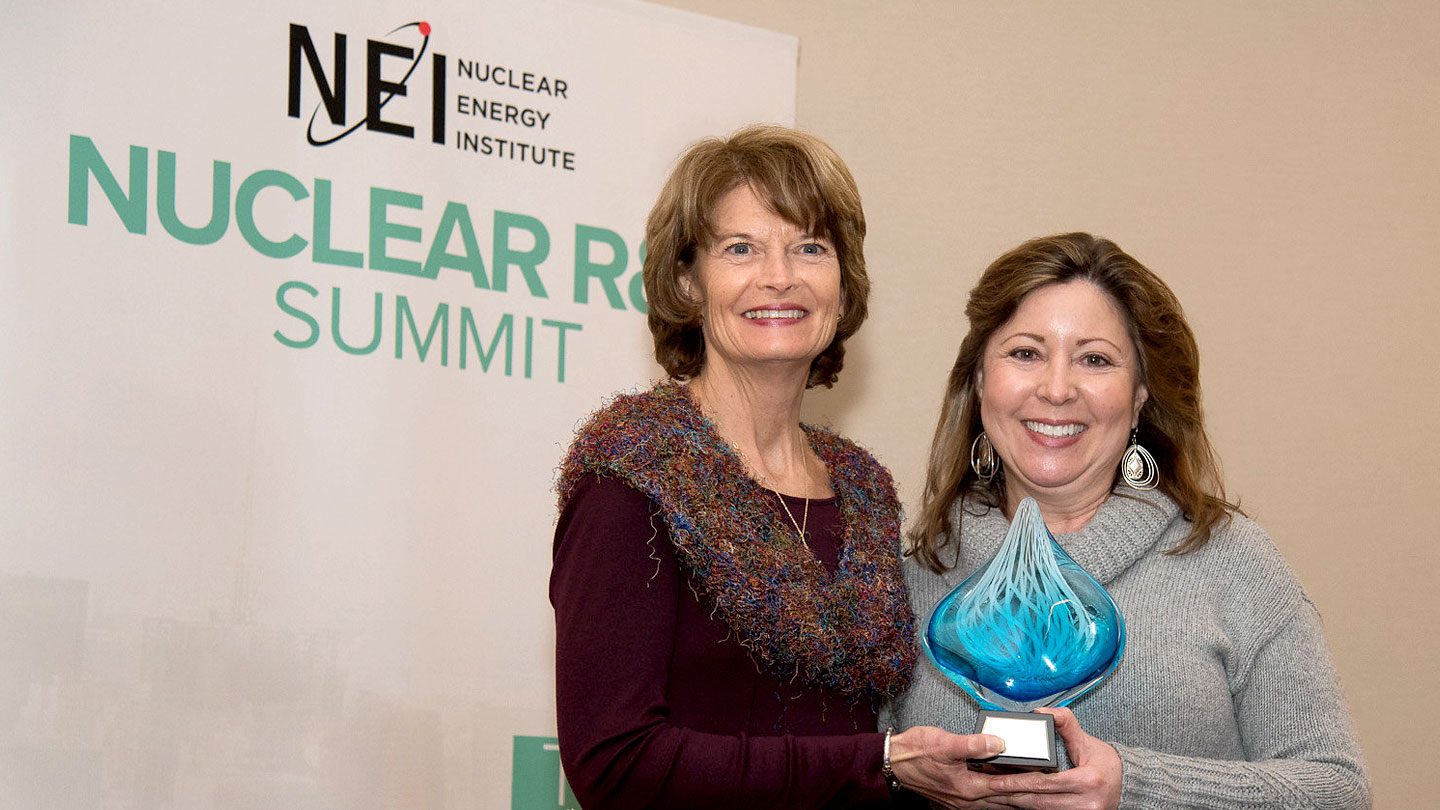
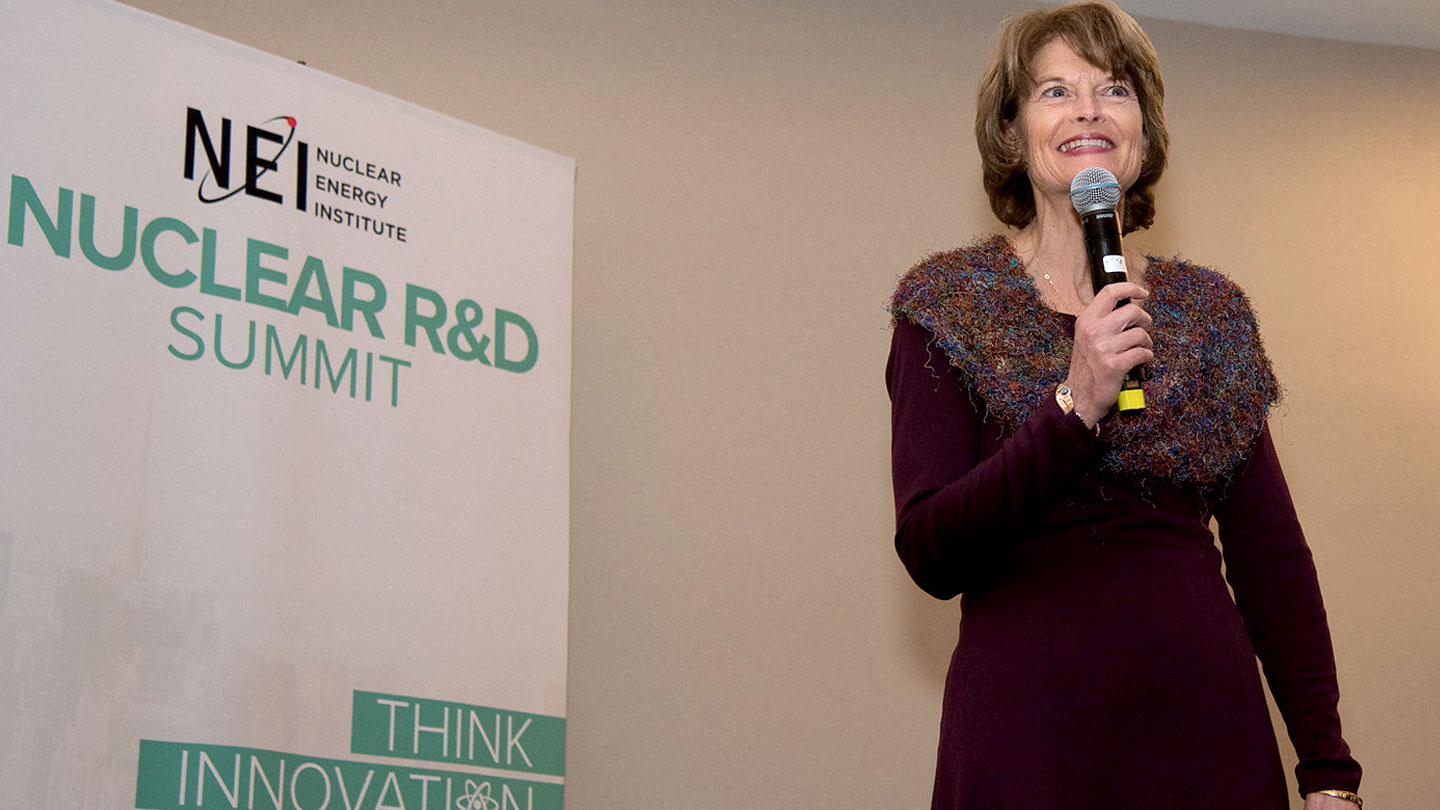
At NEI’s Nuclear R&D Summit later in the week, some of the world-class research capabilities of DOE’s national laboratory system were highlighted. Among these were the Oak Ridge National Laboratory’s Consortium for Advanced Simulation of Light Water Reactors (CASL) and Nuclear Energy Advanced Modeling and Simulation (NEAMS), operated by Argonne and Los Alamos national labs. CASL and NEAMS both use supercomputers to model and simulate the behavior of current light water reactors and advanced reactor designs respectively—and the advanced fuels that could be used by both types.
Also discussed was the restart last year of Idaho National Laboratory’s Transient Reactor Test Facility, a facility that has been used—and will again—to test nuclear reactor fuels and materials under extreme conditions. The reactor was restarted ahead of schedule and under budget, and began running accident-scenario experiments earlier this year. It will begin testing accident tolerant fuels this summer. The results of these real-world experiments will be used to inform and refine computer models and simulations of nuclear reactor and nuclear fuel designs.
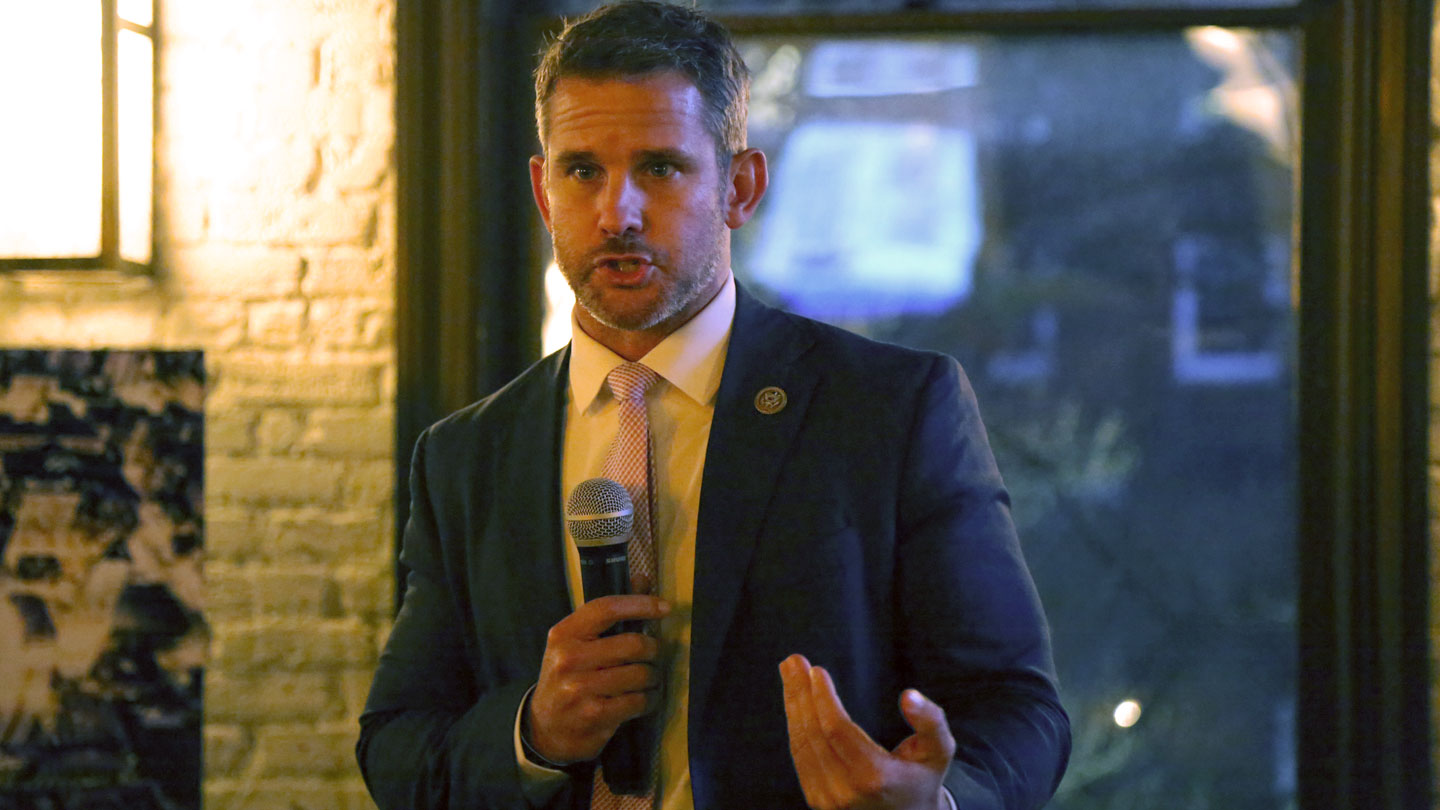
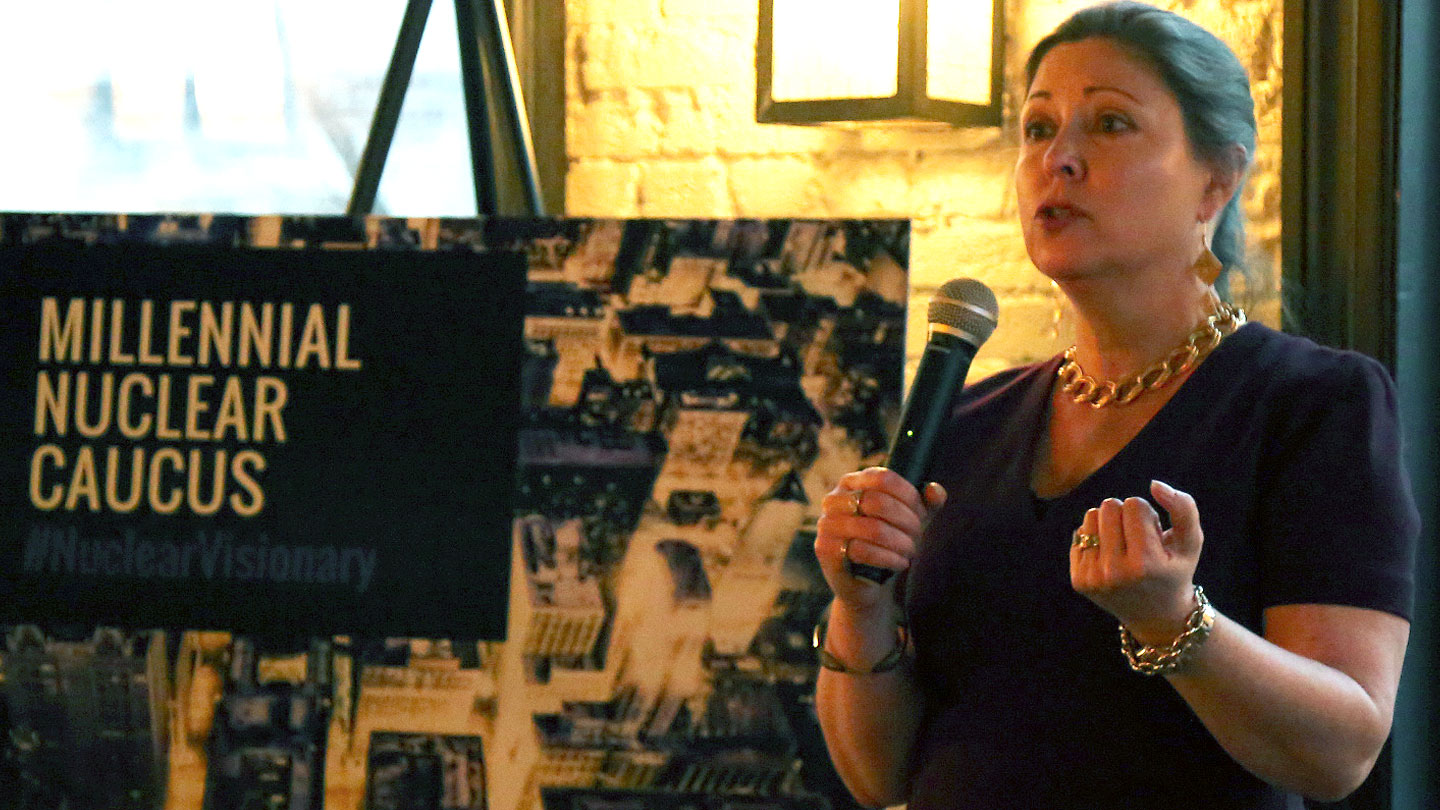
NEI and DOE hosted another in a series of Millennial Nuclear Caucus events this week. At the Capitol Hill event, Rep. Adam Kinzinger (R-Ill.) shared his concerns about America retaining a leadership role in commercial nuclear energy.
One of the things I worry about a lot is the fact that we’re losing our nuclear edge to other countries. As concerned as we are about nuclear proliferation issues, when we give up being a world leader on these issues, there’s a negative effect, not just on our domestic base, but on our national security.
He exhorted the young professionals at the event to continue their efforts on behalf of nuclear energy. “You, when you’re out there working on these issues, you’re really focused on giving the U.S. a continued edge into the future.”
The third symposium, continuing into Friday, was organized by DOE’s Gateway for Accelerated Innovation in Nuclear (GAIN), NEI and the Electric Power Research Institute. It brought together technology developers, energy users, federal regulatory, policy, and research and development decision-makers to discuss future energy markets and the role of advanced nuclear technologies in meeting market needs and to highlight the opportunities and challenges to be overcome before the future is realized.