For me, there’s no more beautiful sight than standing under a state Capitol dome and taking in all of the intricate historical references painted and sculpted into the building. Last week, I spent a brisk, winter day in Harrisburg, Pennsylvania, and got to take in the artistic treasure that is the Pennsylvania Capitol dome.
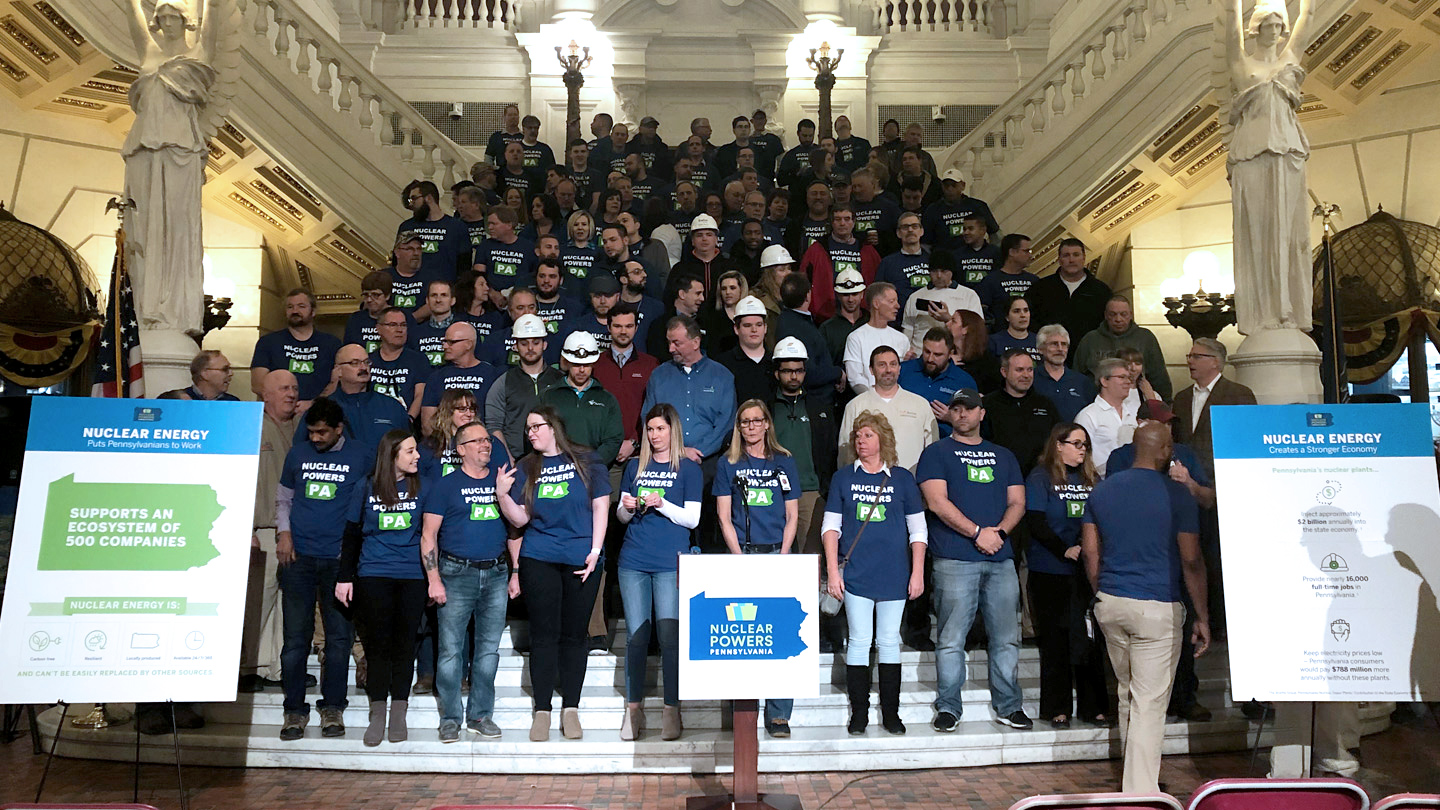
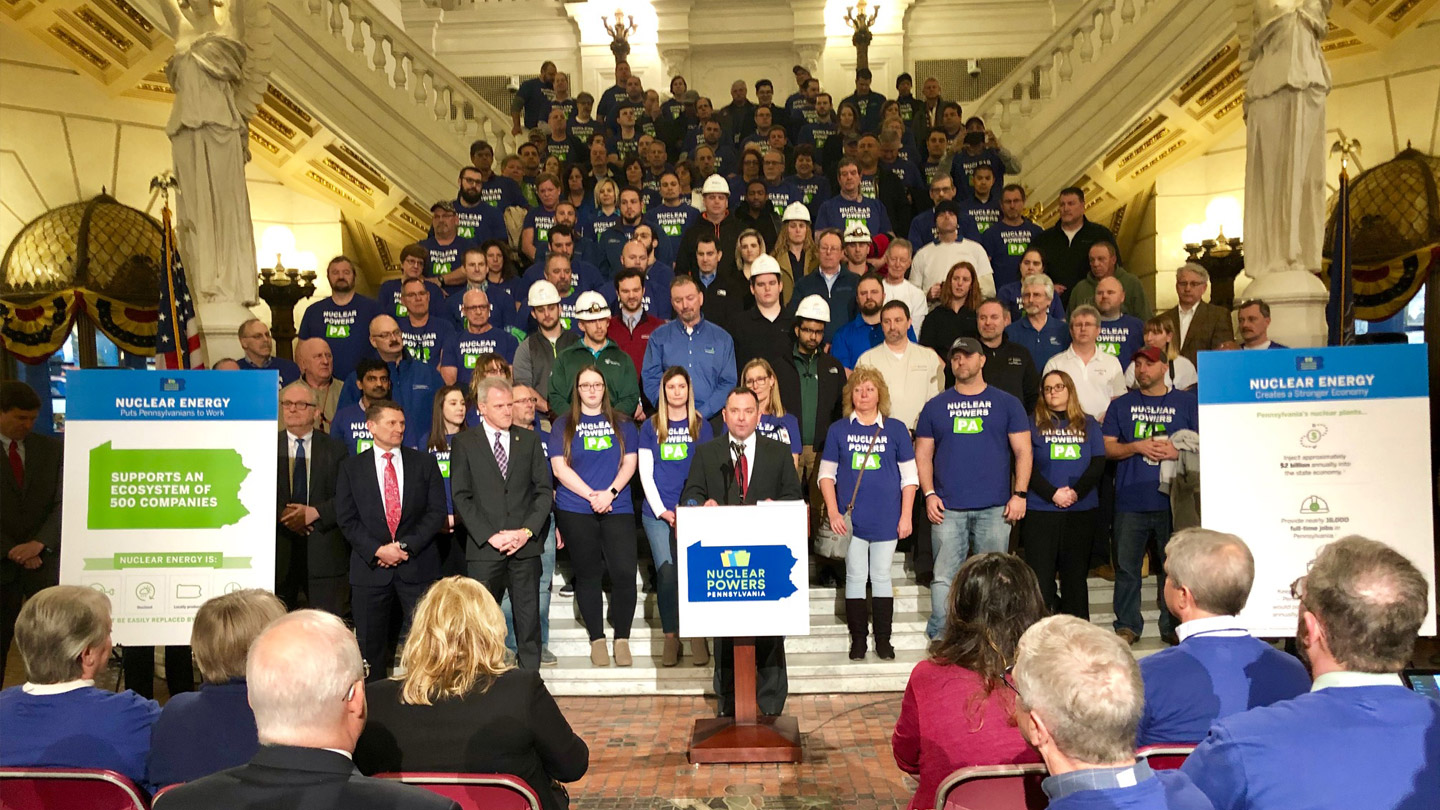
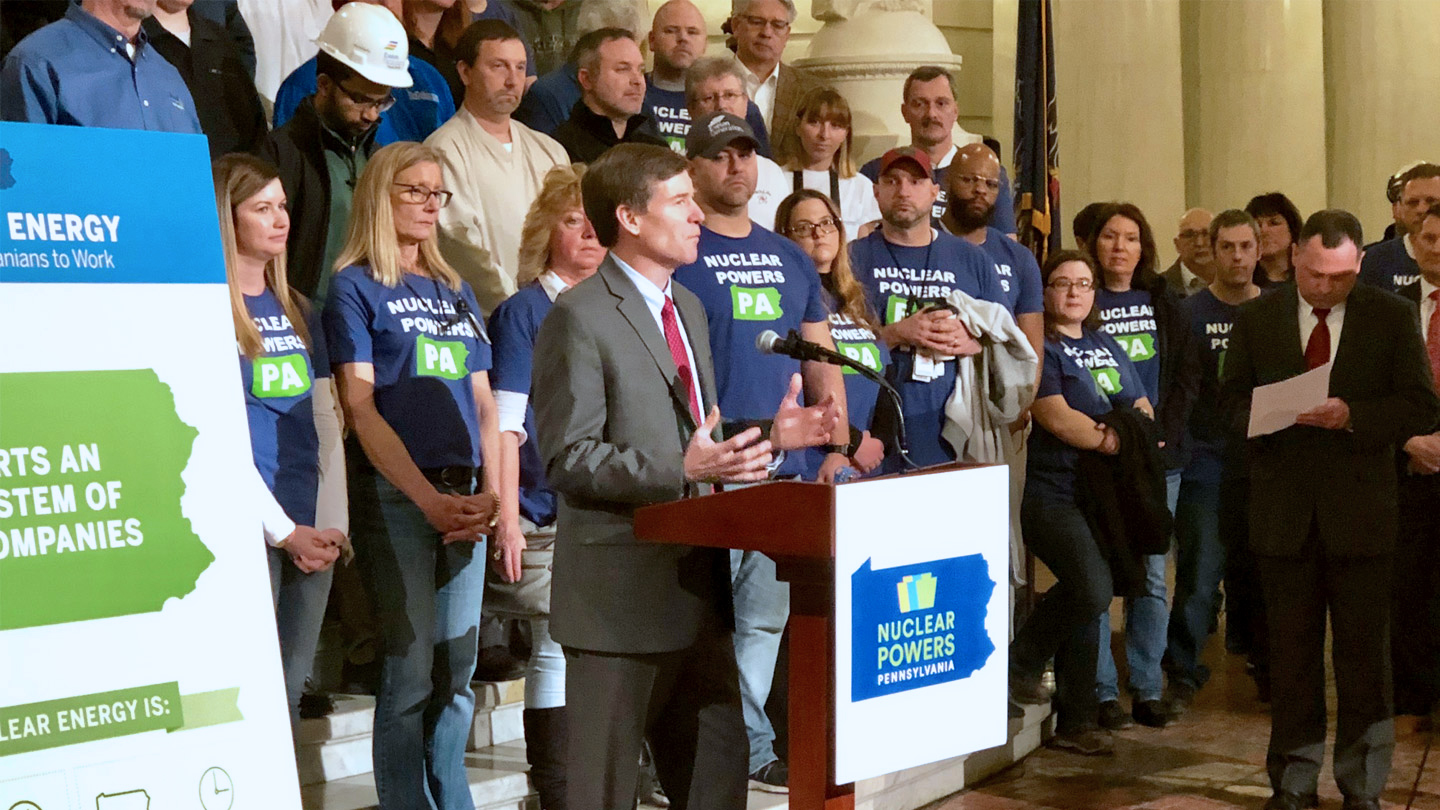
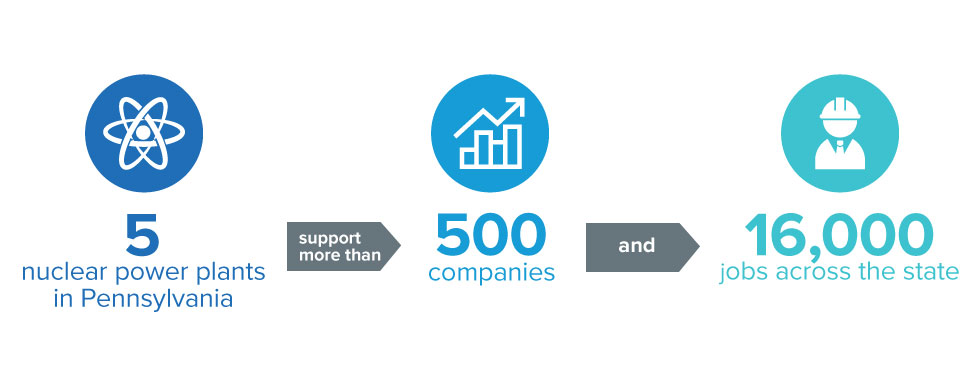
I was there attending the Nuclear Powers Pennsylvania coalition’s Supplier Advocacy Day. I was joined by nuclear suppliers from across the state delivering the message to policymakers that closing nuclear plants doesn’t just devastate the immediate surrounding communities, it impacts businesses across Pennsylvania—500 companies and 16,000 jobs to be specific.


In both Pennsylvania and Ohio, plant owners Exelon Corp. and FirstEnergy Solutions Corp. have both told policymakers that absent legislative solutions that correctly recognize nuclear’s unique attributes and contributions to the state, plants will shut down.
Pennsylvania legislators have been grappling with nuclear issues for some time. Last year, the bicameral, bipartisan Nuclear Energy Caucus released a report after many hearings. Several sponsors will introduce legislation soon that incorporates the report recommendations. This all comes just a couple of weeks after Gov. Wolf issued an executive order, setting goals to slash the state’s emissions 26 percent by 2025 and 80 percent by 2050. Neither of these goals are attainable without Pennsylvania’s nuclear fleet, which provides 93 percent of the state’s carbon-free electricity.
In Ohio, policymakers considered a nuclear relief program last legislative session, but the bill never moved out of committee. This session, newly inaugurated Gov. DeWine and legislative leaders have launched into session with fresh ideas and perspectives. One smart move is by Republican Speaker Rep. Householder, who has appointed a special energy subcommittee, possibly to look at issues impacting nuclear.
With a year round legislative session, legislators have some time to craft the right legislation for Ohio, though they already are feeling the pressure. First Energy Nuclear Operating Co. filed two license agreements requests with the U.S. Nuclear Regulatory Commission in preparation for the permanent shutdown of Davis-Besse Nuclear Power Station, an important pressure point for policymakers to heed in their decision-making. What’s at stake in Ohio? Without legislative action, Ohio will lose 4,300 jobs and 90 percent of the state’s clean energy.
What these states need is not just a quick fix. Legislators in Pennsylvania and Ohio must act to keep their nuclear plants open if they want to save jobs and reach their carbon emission goals.