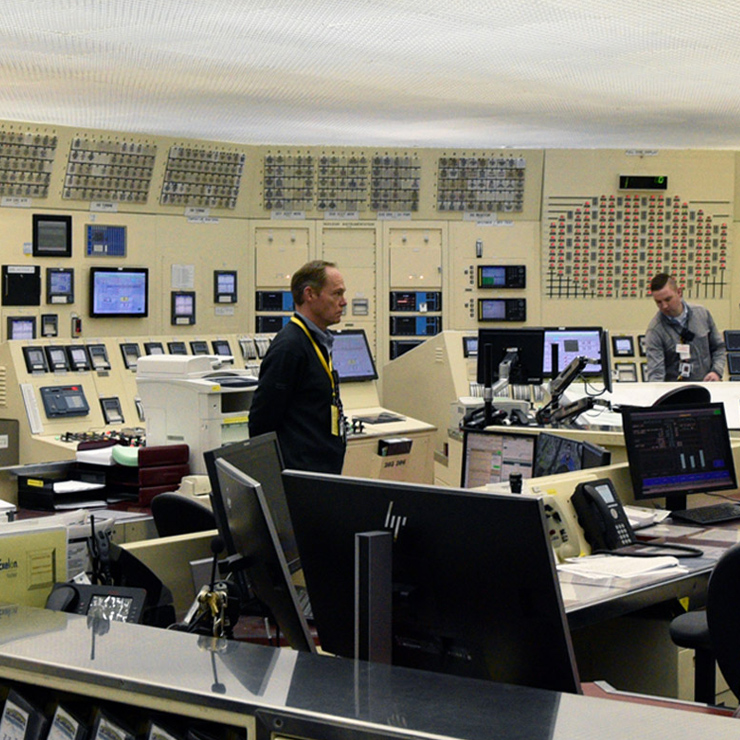
Nuclear carbon-free energy not only protects the climate, it also protects our lungs by limiting other harmful air pollution while powering our way of life.
A new study, published this week in the Journal of the American Medical Association (JAMA), linked exposure to air pollution to increased risk of emphysema.
While we already knew that air pollution was harmful—the World Health Organization estimates that air pollution is responsible for more than 4 million premature deaths per year—the study linked it specifically to a chronic disease that is usually associated with smoking. So even if you are a nonsmoker, increased air pollution can put you at a similar risk to one.
What Does Air Quality Have to Do with Nuclear?
A lot. Nuclear preserves our air quality and health by helping us avoid the disastrous effects of air pollution. Nuclear plants provide nearly 20 percent of America’s electricity without carbon emissions (which contribute to climate change), without nitrogen oxide (which produces smog), without sulfur dioxide (which produces acid rain), without particulate matter like smoke and dust, and without mercury.
In the United States, levels of nitrogen oxide—a pollutant closely tied to higher emphysema risk in the study—would increase by more than 26 percent without nuclear energy. In fact, a report by Nuclear Matters and the National Caucus and Center on Black Aging found that closing at-risk plants in Ohio and Pennsylvania would result in 126 additional deaths per year related to air quality in those regions.
Clean air is essential for healthy and productive communities. Nuclear generates more than 55 percent of clean electricity in the United States, meaning it can go further than any other energy source to reduce air pollution-related health problems. This recent JAMA study is another proof point for why we need to value our top clean energy source.