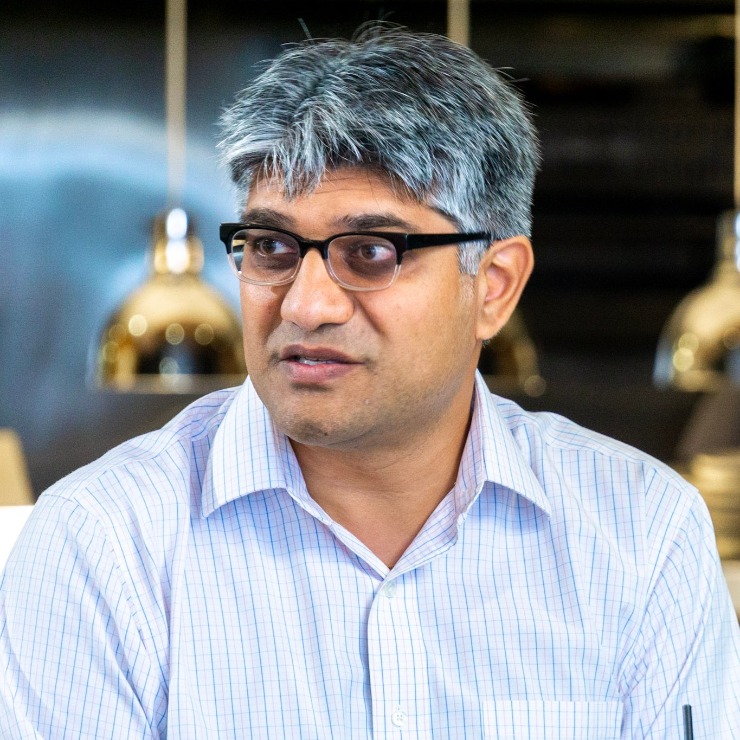
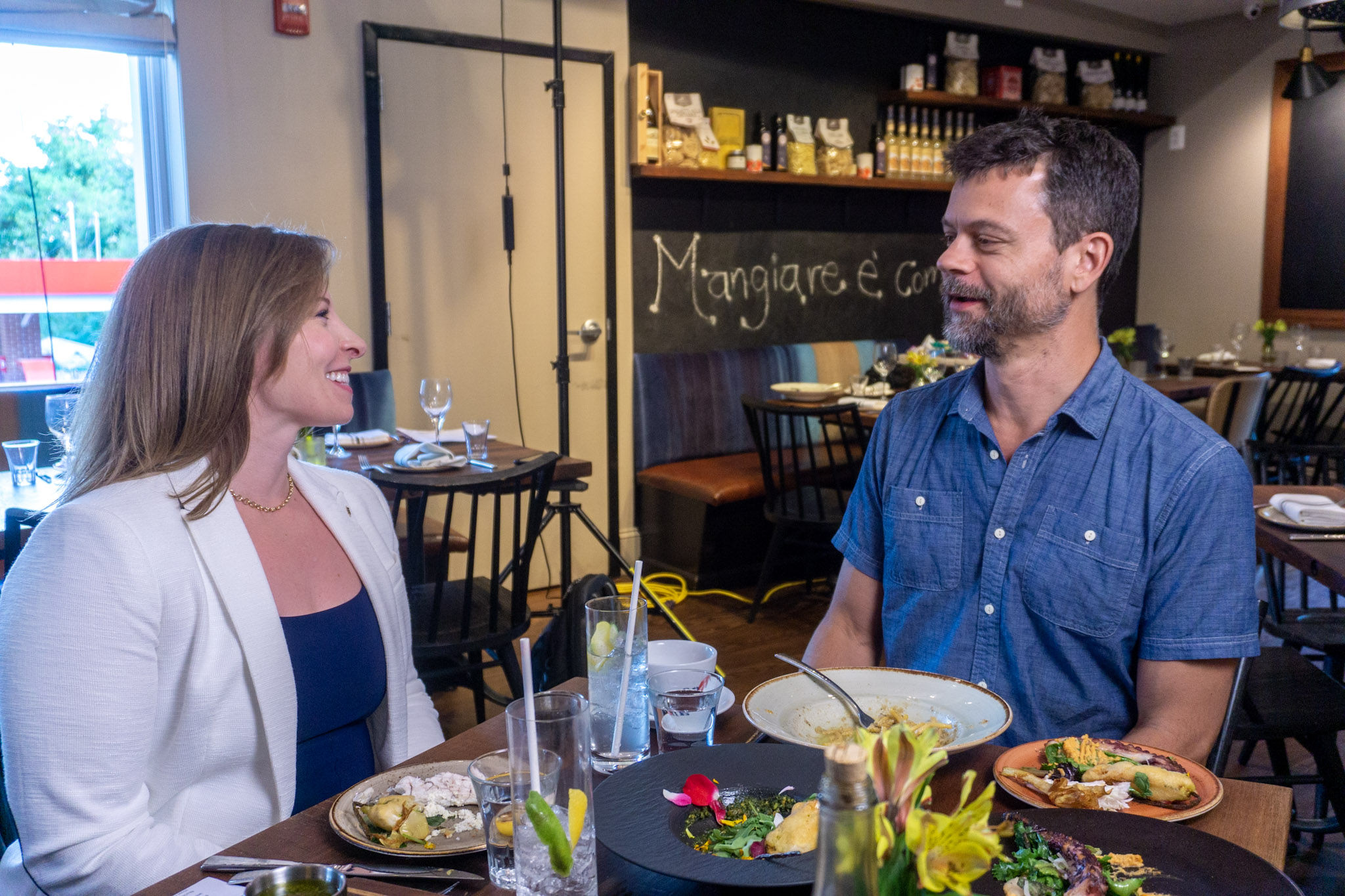
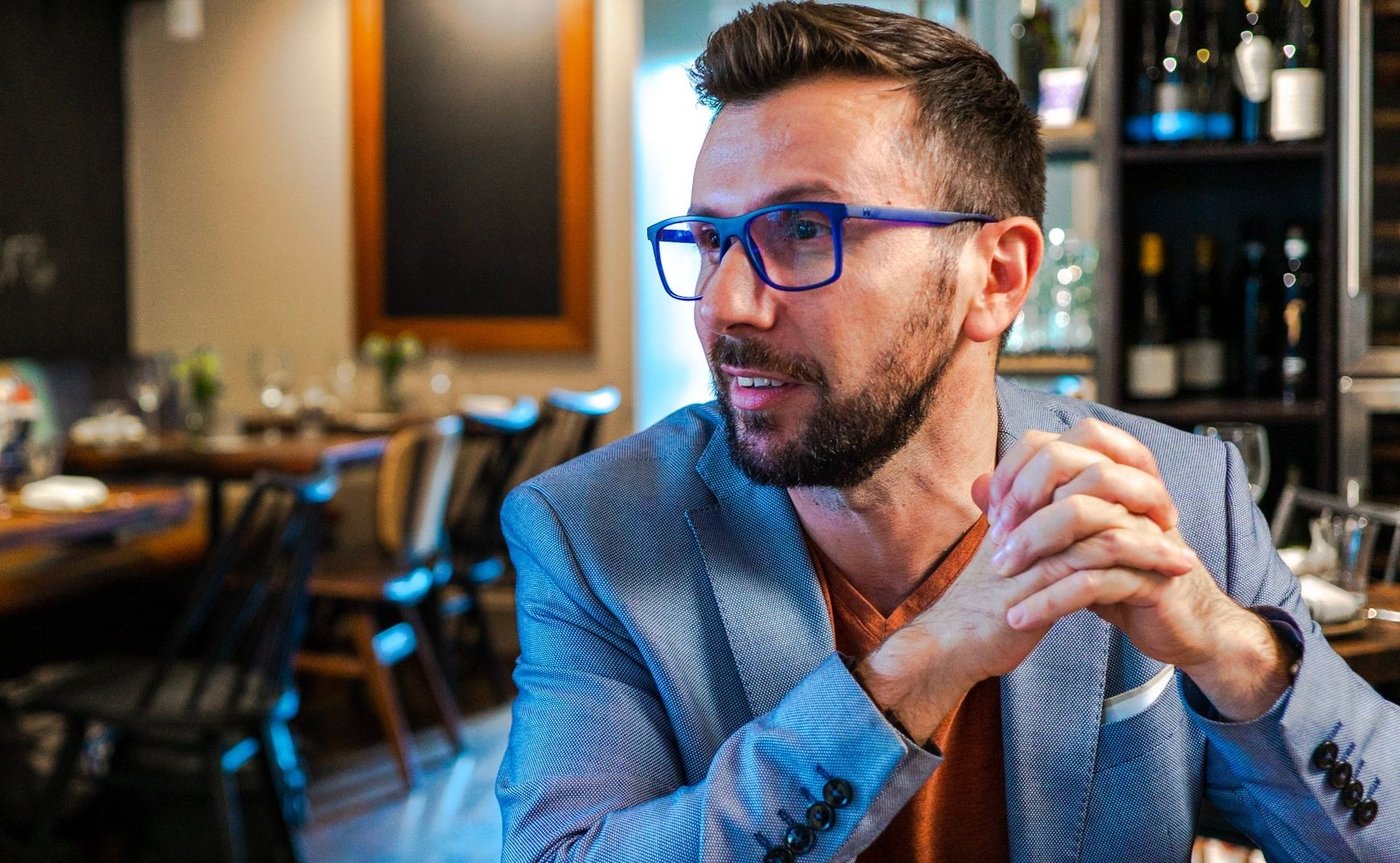
David Roberts, writer for Vox and Twitter influencer, joins Monica Trauzzi at Lupo Verde Osteria in D.C.’s Palisades neighborhood in this episode of “Off the Menu.” Dave and Monica discuss the scale of action needed to protect the climate and how to get the right groups talking to each other.
The goal has always been to be a bridge to establish credibility among real climate people—the climate wonks … but then also, and this is part of what Twitter is good for, to reach … politics writers and politics journalists.
For a problem as large scale as climate change, any viable solution is going to require concerted effort and lots of resources. Dave and Monica talk about how the changing climate affects what he thinks about the future, what our priorities for energy research and development should be, and what role he sees for nuclear energy and other carbon-free sources.
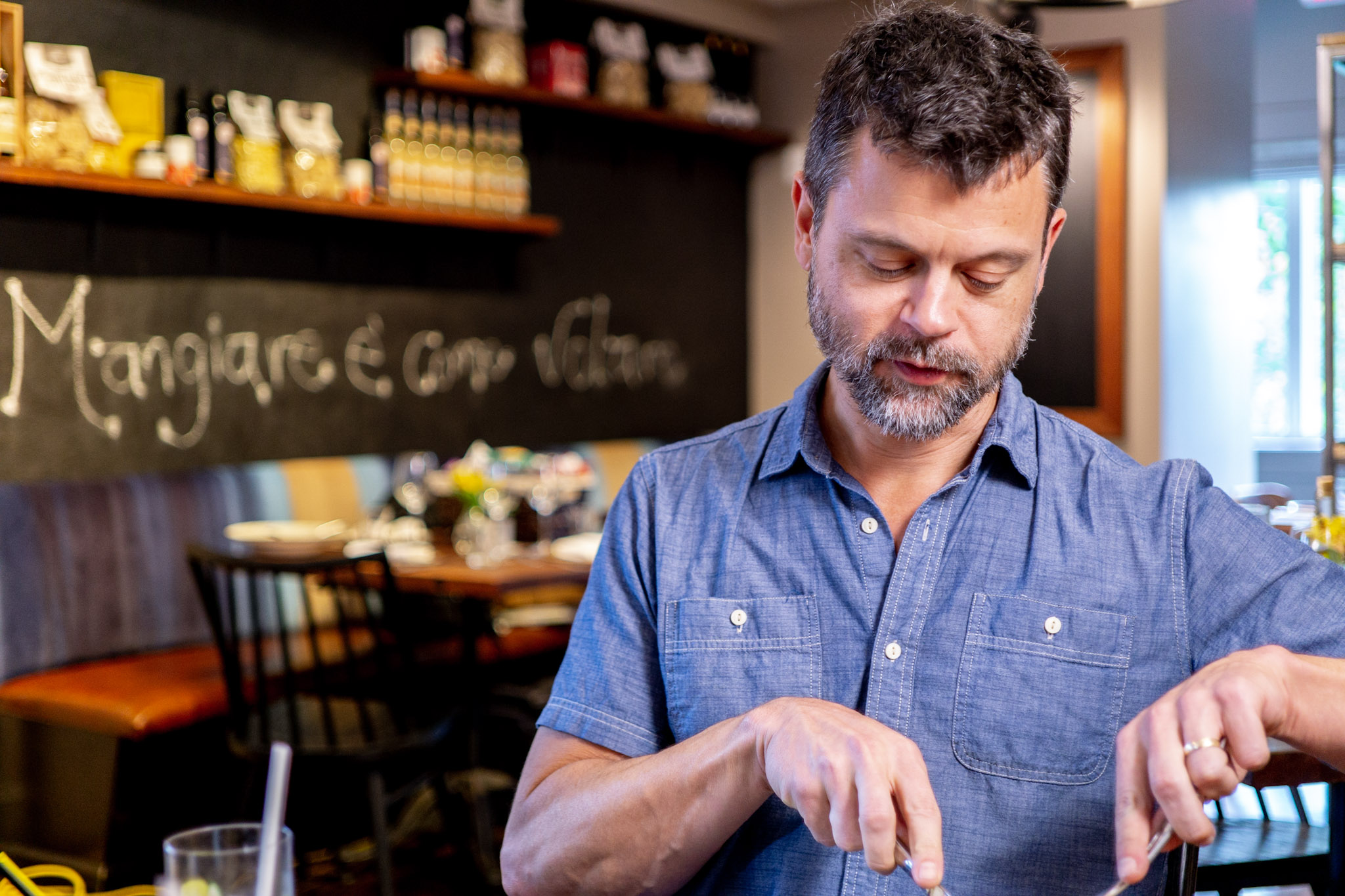
Monica also spoke with Lupo Verde Osteria’s corporate food and beverage director Attilio Larosa on how he captured the spirit of an Italian osteria for his patrons here in D.C.
Get an inside view of the energy issues of the moment with “Off the Menu” at locations across D.C.’s nationally recognized food scene.
.jpg?language=en-US)
Transcript
Monica Trauzzi
Well, let's say we fast forwarded to the future and everyone listened to the IPCC [United Nations Intergovernmental Panel on Climate Change] and we did what we were supposed to do to solve climate change and stay below the 1.5 degrees Celsius rise. How did we get there?
David Roberts
It's a key hole. A lot of things would have to fall into place and go just right to get anything of the scale we need. Right? I mean there's obviously fallback positions, there's stuff the president can do through executive action without Congress. But in terms of action on the scale that I think the IPCC talks about, or that everybody now sort of... Not everybody, most people, agree we now need, it's really a long shot and I don't know the right answer to how to get there really even.
Monica Trauzzi
You have two teenagers. I wonder how much of the life that they might be living in 20 years when our climate is different, how much that impacts what you're doing now and whether that really drives you in your current work.
David Roberts
I'm kind of a little bit like everybody else. It's hard for me to fit in my head what I know about climate with my kids and what I think about their future. And when I think about their future, it's hard for me to sort of integrate what I know about climate into it. It's psychologically challenging. I have that same problem everybody else has. I spend a lot of time just not thinking about it just like everybody else, just to stay sane. And if I'm being totally frank, I have two healthy, sort of professional class, white male kids, like they're going to be the last ones to suffer, right?
Monica Trauzzi
Yeah.
David Roberts
Lots and lots of people are going to suffer a lot worse before they do.
Monica Trauzzi
You're a respected voice in the climate and energy conversation. I mean, really, you have everyone from government officials to other journalists who follow you. How do you view your role in the climate and energy conversation?
David Roberts
That I think somewhat deliberate about from the beginning. The goal has always been to be a bridge, to sort of establish credibility among real climate people, the climate wonks and the and the activists and operators. You know, the people who have devoted their lives to that. But then also, and this is part of what Twitter is good for, also reach and communicate and establish relationships with, and credibility with, the sort of political writer class, the general sort of like politics writers and politics journalists.
Monica Trauzzi
So what do you view the role of nuclear as? And how do you see the industry where it is right now and what do you see for the future of the nuclear industry?
David Roberts
We shouldn't be arguing over how to divvy up our ridiculously tiny energy [research and development] budget in the U.S. We should be expanding it fivefold and aggressively pursuing everything that might help. And certainly, if small modular meltdown proof, all that, if those things come along, they'll be incredibly helpful. I'm sort of skeptical whether we're going to see those in time to help substantially before 2030 or 2040, maybe 2050, depending on how aggressively they get researched and pursued, but it's not like climate change is going to stop at 2050, right?
Monica Trauzzi
Right.
David Roberts
We're still going to need lots more energy and lots more options. So there's existing plants, pretty easy question to me. R&D on new technologies seems like a pretty easy answer to me. The real difficulty is, should we be supporting building more of existing established reactors? In that, I think there are good faith disagreements to be had.
Monica Trauzzi
Well, this has been a fascinating discussion. And I know you're going to head back to the West Coast, and you have a new driver at home.
David Roberts
I mean, the aspect of climate that's about getting out of cars, reducing vehicle miles traveled, density and urban form and all that, I was already very into that, but now that I have a kid who can drive, I'm really rededicating myself to that area of policy.