As the coronavirus pandemic continues, we’ve all had to adapt. Increasingly, the health crisis highlights how essential electricity is to our daily lives—from remote work to family Zoom calls.
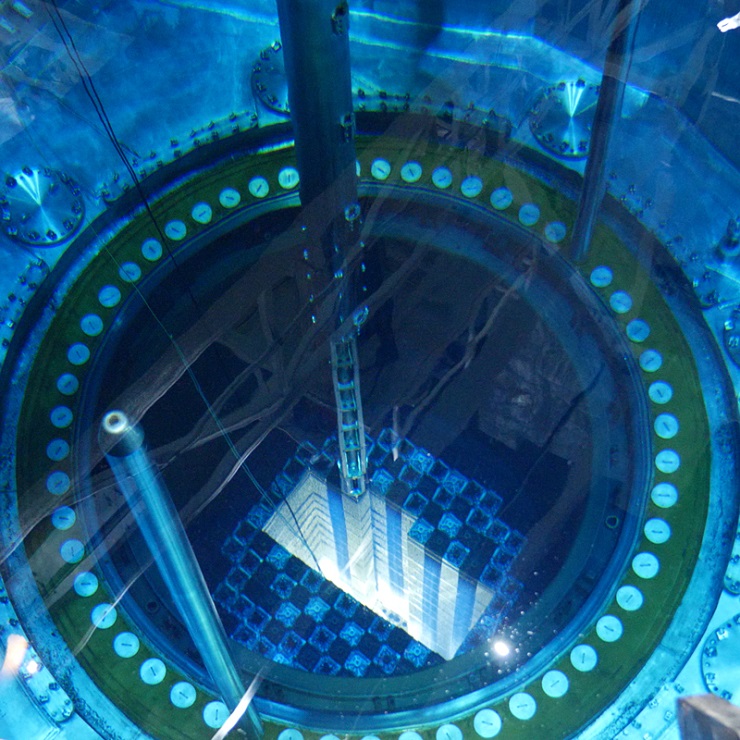
America’s 94 nuclear plants have also adjusted to these new circumstances and have continued to provide reliable, carbon-free energy to keep the electricity flowing. This was especially evident during the spring when COVID-19 brought new challenges to the seasonal effort to refuel 30 nuclear reactors across the country. This fall, the nuclear industry will take valuable lessons learned from that success as it prepares to refuel another two dozen reactors.
What the Industry Learned
Safety is the highest priority of every U.S. nuclear plant and there were no exceptions last spring as the nuclear energy industry worked to minimize the spread of coronavirus during refueling outages.
Nuclear plants employ hundreds of workers and during a refueling outage, they bring in hundreds more people for maintenance and inspections. A nuclear plant is mostly a hands-on workplace, but innovative nuclear service companies were able to use new tools so some activities could be done remotely. For workers who still need to go on-site, the industry has changed its approach to scheduling duty shifts for certain plant personnel, keeping some of them together consistently in teams to reduce the opportunities for virus transmission.
Many nuclear plants also worked with regulators to find changes in procedure to reduce the opportunities for infection, like postponing some annual medical exams or security guard weapons range activities as well as other lower priority maintenance activities.
In addition to those broad efforts, plants were able to take on smaller—though no less effective—changes. These included decontaminating the buttons and switches in control rooms, extensive sanitizing of other workplaces, being ahead of the curve in marking the floors at six-foot intervals for social distancing, and requiring social distancing, mask-wearing and handwashing on-site, as well as encouraging the same practices outside of the workplace. Some plants even supplied employees with meals and groceries for their homes to help minimize the time that they needed to be in public areas.
What the Industry Is Still Doing
As we’ve seen, the days of COVID-19 have required extra equipment, extra precautions and an added sense of responsibility beyond just yourself. This is true when wearing a mask in public or assuring a reliable electricity supply.
Nuclear operators have always been adept at working together across the industry; during the pandemic, this was even more valuable. Plants knew how to screen people at the plant gate for warning signs, like a fever or cough, or report if someone was sick at home. But they improved on that and learned to share this information across the industry.
The industry has also continued to think ahead; it’s part of why nuclear energy is prepared for any emergency. Plants have had pandemic response plans since 2006 and updated them early this year before the virus first surged in the U.S. These plans included measures we consider standard today such as using protective equipment like masks, and exercising social distancing.
Because of the possibility of hurricanes or other extreme weather, nuclear plants are also prepared to keep crews in the plants if necessary, with housing, food and other necessities, so that their vital work can continue, a precaution that could be used in a pandemic. Additionally, plants have also continued to identify people who could fill critical roles if others fall ill, and to exchange information and pool insights with reactor operators around the world.
What’s Next
The novel coronavirus has defied almost everyone’s ability to predict, but there’s one thing we can be assured of: Electricity will be essential to the recovery we all seek.
As certain plants look to refuel their reactors this season, the industry is looking ahead as always to keep the lights on with reliable, carbon-free energy. With the lessons learned from operating during a pandemic and with the industry’s culture of preparedness, nuclear energy is ready for the next set of refueling outages.
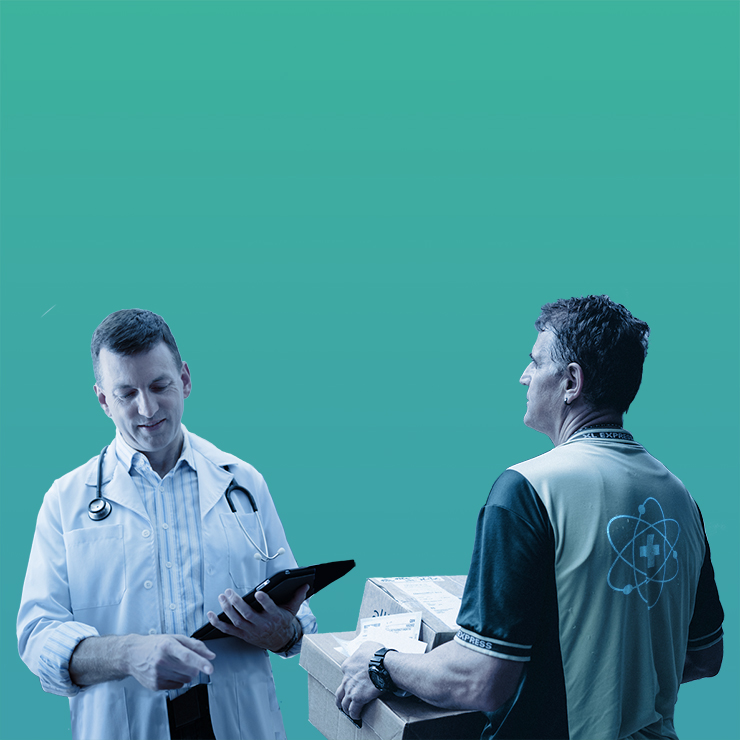
Images in collage courtesy of Dominion Energy and Duke Energy.