We have seen extreme weather already in 2021. Between the winter’s cold wave, the summer’s sweltering temperatures, and an escalating hurricane season, it is clear that we need a resilient and reliable electrical grid. At the same time, these events also make it very clear that we must address the threat of climate change.
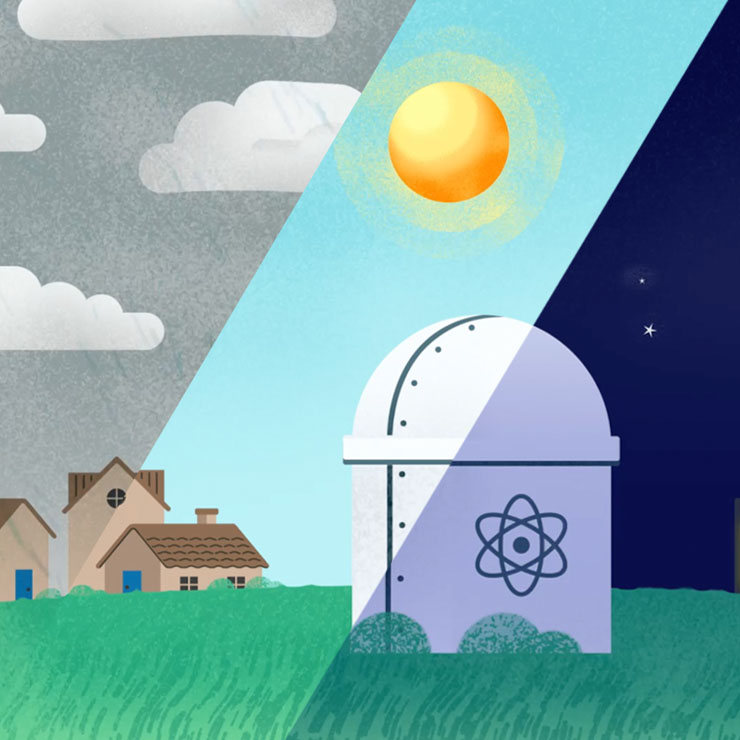
Nuclear is the source that can make it all work, and the Nuclear Energy Institute just launched its new “See the Light” campaign to show that when it comes to how we power our lives, we can’t afford to be in the dark. We need wind, solar and nuclear at the core of our energy mix to power a brighter future.
Why Nuclear?
- Right now, nuclear energy generates more than half of America’s carbon-free power, and wind, solar, and nuclear provide almost all of it.
- Nuclear reactors operate nonstop, 24/7/365, in order to bring much-needed electricity to homes and businesses across America.
- Nuclear saves consumers an average of six percent on electricity bills.
- Nuclear energy can keep up with the increased need for electricity in the coming years while greatly reducing carbon emissions. Nuclear plants avoid more carbon emissions annually than the emissions produced by more than 100 million passenger vehicles.
- Working with other carbon-free energy sources such as wind and solar that may not always be available, nuclear energy can form the energy grid’s backbone with dependable, always-on carbon-free electricity.
.jpg?language=en-US "See the Light graphic")
We must invest in a carbon-free future
While the current investment in carbon-free energy isn’t enough, support is quickly growing from both the public and private sectors for a push to decarbonize our economy. In turn, support is also growing for nuclear, demonstrating a shift in opinion about the way we should think about a carbon-free future.
The Biden Administration has committed to addressing climate change and recognizes the added value of nuclear to the energy mix. This year, the Biden Administration’s proposed budget includes a 23 percent funding increase for nuclear programs.
“Nuclear power is critical to America’s clean energy future and we are committed to making it a more accessible, affordable and resilient energy solution for communities across the country,” said Secretary of Energy Jennifer M. Granholm. “At DOE we’re not only investing in the country’s current nuclear fleet, but we’re also investing in the scientists and engineers who are developing and deploying the next generation of advanced nuclear technologies that will slash the amount of carbon pollution, create good-paying energy jobs, and realize our carbon-free goals.”
Policymakers from across the aisle have shown strong support for nuclear initiatives, such as the American Nuclear Infrastructure Act (ANIA), and there has been increasing activity on the state level in places such as Idaho, Montana, and Virginia.
Utilities, such as Dominion Energy and Energy Northwest, are expressing interest in advanced nuclear. Advanced reactors represent the cutting edge in nuclear technology and safety, and many are being designed to more quickly adjust their electricity output to match demand, helping them stabilize the grid in areas with a high volume of intermittent renewables.
TerraPower’s Natrium reactor design features thermal storage to provide flexible power and integrate with renewable energy sources. The advanced reactor developer announced last month that it will partner with energy company PacifiCorp to advance the Natrium design at a coal plant scheduled for retirement in Wyoming.
Additionally, many private sector companies from Facebook to Goldman Sachs to the Walt Disney Company have pledged to reach net zero emissions by 2030, demonstrating a strong commitment to addressing climate change.
The momentum is here, but this is just the beginning. As the campaign shows, clean, dependable energy means thinking purposefully about the connections between how we power our lives and how we think about our climate. And action is what will propel us towards true decarbonization.
It is time to “See the Light” and utilize every carbon-free energy source available. Wind and solar, paired with nuclear in its capacity to produce carbon-free energy all day every day, will power us towards a brighter future.