2022 has been an unprecedented year for smart energy policy in state capitols around the country—and we’re only halfway through the year. Legislatures have already seen dozens of bills that reflect the value of reliable, carbon-free nuclear energy.
The promise of nuclear energy has been explored in a variety of different policies, from repealing nuclear moratoriums, to removing unfair taxes, to studying how advanced reactors fit into a state’s energy portfolio. The consensus: lawmakers on both sides of the aisle clearly recognize that in order to sustain a just and reliable clean energy transition, nuclear must be a part of the conversation.
So what legislation was debated in the states?
- West Virginia fully and Connecticut partially repealed their antiquated moratoriums to allow consideration of new nuclear builds.
- Nebraska, Virginia, and New Hampshire all passed bills that call for a variety of ways to study the feasibility of advanced reactors. Similar bills were debated in Minnesota, Oklahoma, Colorado and Kentucky while discussions in Ohio, Michigan and New Jersey continue.
- Wyoming took additional steps to reduce barriers for the Natrium project.
- Alaska relaxed a burdensome regulatory requirement for siting micro-reactors and also took steps to ensure that nuclear was included in any potential clean energy standard.
- Maryland passed a comprehensive climate package that included key nuclear energy recognition. The Maryland Energy Administration awarded a grant to study the benefits of repurposing a coal plant with a small modular reactor.
States with nuclear projects, such as Idaho, Washington, Wyoming, Tennessee and Georgia, continue their work to build out the nuclear advocate base of support in host communities.
In Wyoming, four communities competed to host the first reactor in the state, which is being built by TerraPower and PacifiCorp in partnership with the Department of Energy. “It was a great reminder that we have to take the time to explain [nuclear] and once we take the time it’s a great story,” said TerraPower Chief Executive Officer Chris Levesque at the Nuclear Energy Assembly last month.
At a recent Reuters conference, NEI President and CEO Maria Korsnick noted the increase in support the industry is seeing from communities. "It's not so much, not in my back yard—but please in my back yard!” she said.
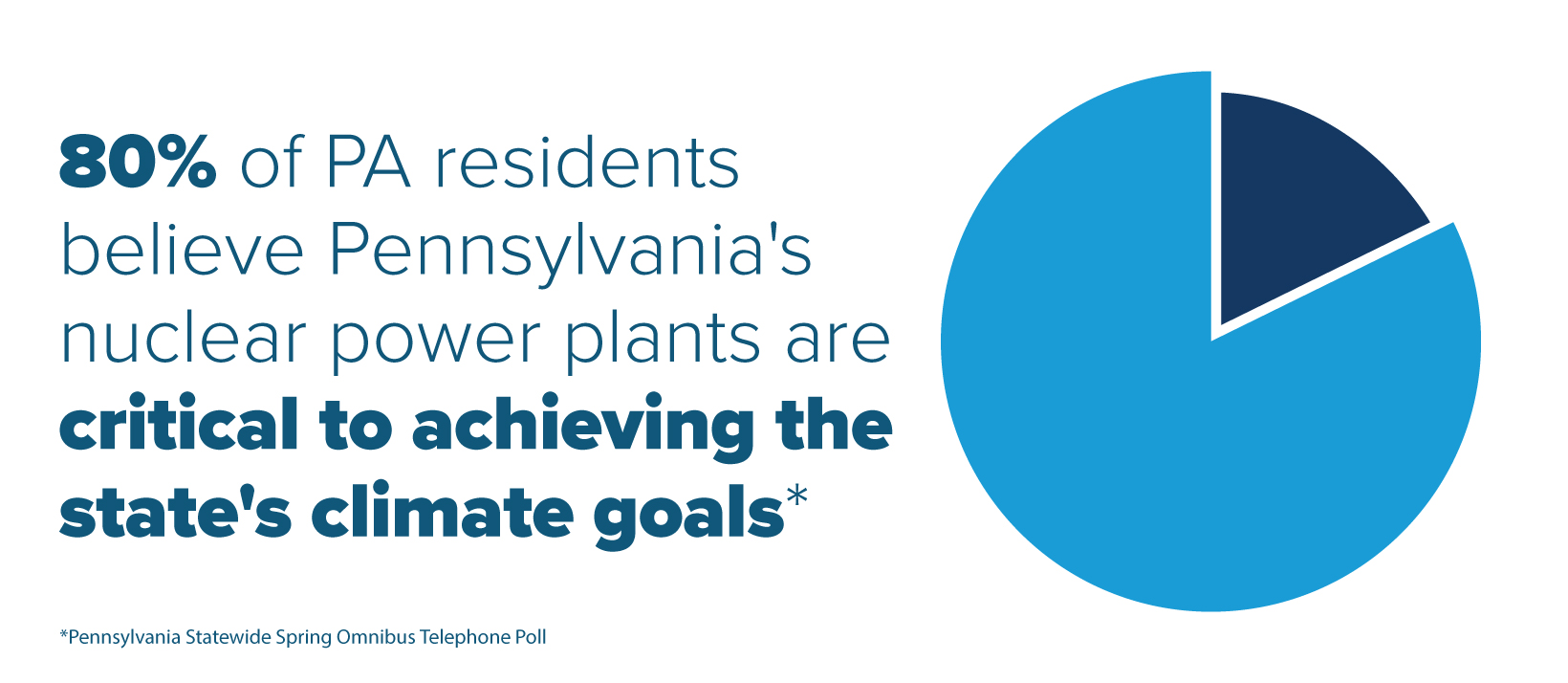
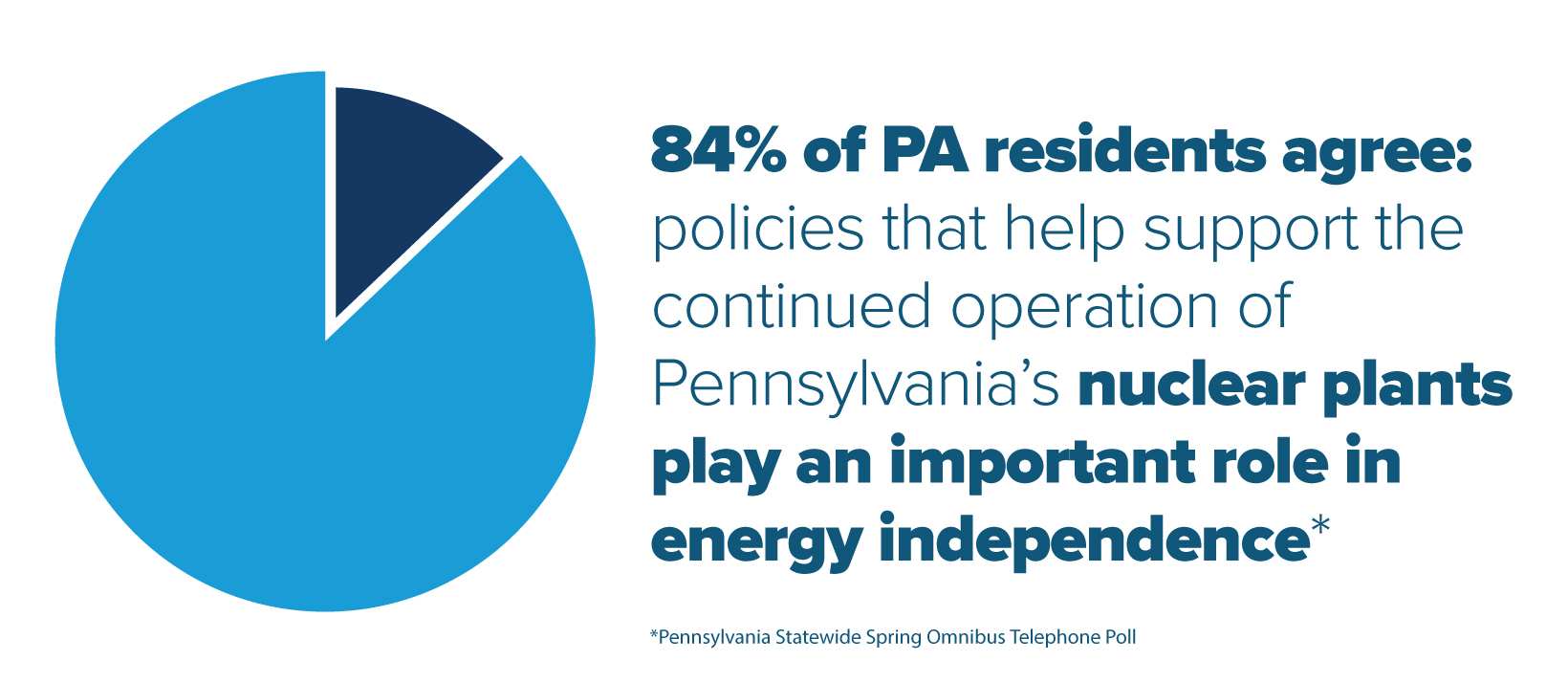
And in Pennsylvania, where nuclear energy produces the most carbon-free energy and over 33% of overall energy, 80% of residents surveyed said preserving nuclear plants is important to achieving the state’s climate goals and 84% agreed that policies which support nuclear energy play an important role in energy independence.
As states consider their energy futures, it’s clear that nuclear plays an important role in the minds of our public servants and the constituents they serve. While we celebrate the successes of 2022 so far, we also look ahead to a potentially different legislative landscape after the November election.
Along with the 34 U.S. Senate seats and all 435 House seats, this mid-term election year will put 36 Governors and 6,166 state legislative seats up for election. As a third of state legislative leaders are expected to retire or not seek re-election, this is a ripe opportunity to engage and educate a new class of policymakers on the value proposition of nuclear energy. What we’re hearing from legislators across the country is ‘what’s next?’