
No one wants to be alone, ever. Whether it be in life or in business, it’s important to always be supported. The nuclear energy industry is no exception—that’s why things like early movers and fast followers are so important.
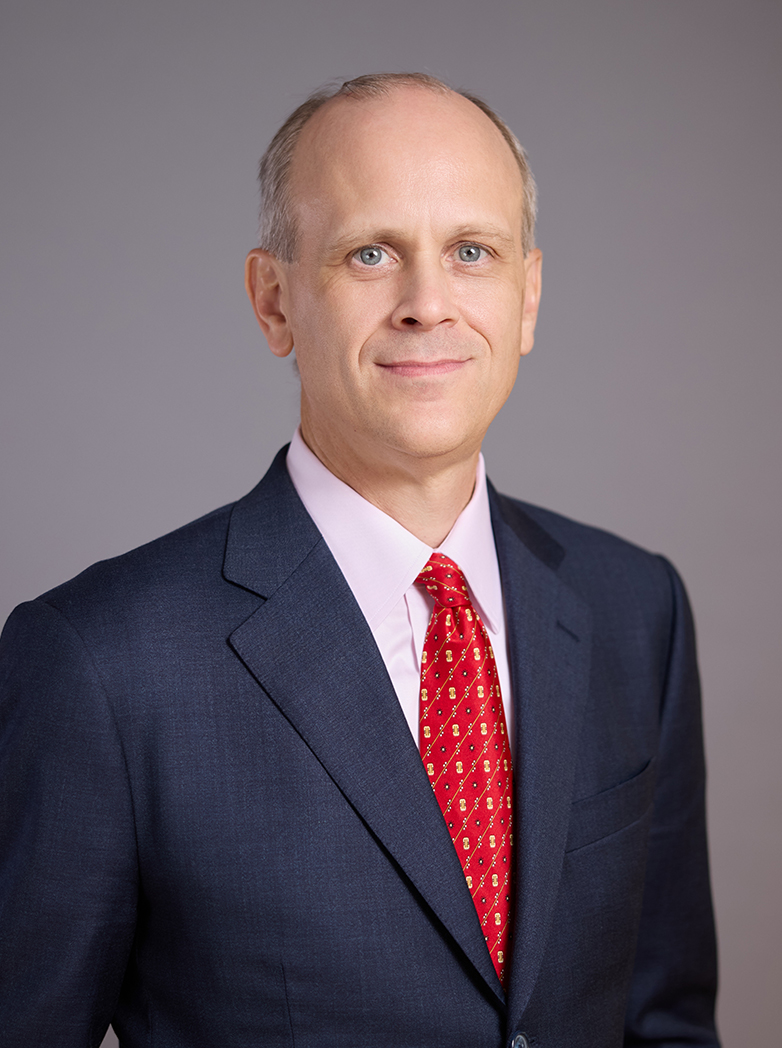
Want to learn more about fast followers and early movers? We’re asking the expert, Marcus Nichol, NEI’s Executive Director of New Nuclear.
What is the landscape like for deploying new nuclear?
The landscape for deploying new nuclear is incredible today. We can look at it in in two contexts. We can look at it in the domestic market. We can look at it internationally. The story is the same between both of them is that there's a growing need for affordable, reliable, clean energy. And nuclear is one of the best solutions in an all-of-the-above approach to be able to provide that that electricity.
And so, we're in an environment where there's a lot of interest in building new nuclear. Interest at the federal government level, the state government level, the general public, certainly from utilities, and end user customers. One of the biggest sources of that interest are data centers and AI.
What are fast followers?
Fast followers are those nuclear deployments that happen after the first movers. So, the very first of a kind of anything is tough, whether it's new nuclear plants, whether it's other energy sources, whether it's any new technology. After the first one, you continue to learn lessons, apply them to the next in the sequence. And as you do that, you continue to decrease the cost, the risk, the schedule.
So, the fast followers are those plants that come after the first one that help get us down to those, more competitive costs.
How do fast followers work with first-of-a-kind (FOAK) projects?
Yeah. Great question. Because we talked about how the fast followers come after the first-of-a-kind project, but they do actually work together. But there are benefits to the first-of-a-kind by having fast followers.
So if they work together, they can collaborate on some design details as that's being finished. They can collaborate on supply chain and workforce so that they can get greater economies of scale by combining the aggregate demand. They can share lessons. Even, we would expect, obviously, the first plant to be sharing lessons with the second, third and fourth, but those later plants can also share lessons with the first one.
Even though they may be more in the planning phase, they might be able to spot things that the first plant didn't spot and that they could all help inform each other. So, by having a group, you're always stronger with numbers than by yourself. That's how they work together.
What are the challenges to fast-follower projects?
The biggest challenge to fast follower projects, is that they're going to begin their projects before the first one's not completed. And for most of these projects, the owners would have liked to see the first one completed so that they better understand the cost, the schedule and the risks. And so, the biggest challenge is getting these fast followers to follow closely behind, with a smaller increment.
But we've done some work in this area. We've actually produced a document called the Fast Followers. It's available for our members in detail. The executive summary is available publicly. It talks about how the fast followers would be able to have their projects de-risk in real time as the first ones moving forward.
So, let's say that they're spaced about two years apart. Well, by the time that that first project's ready to make their first critical business decision, the first piece of their project, let's say it's the regulatory phase, that would have been de-risked by the first project, because it would have largely gotten through the regulatory portion of it. It hasn't de-risked the entire project, but it de-risks the phase or the next step in front of the fast follower.
How can the private sector support fast followers?
It's really important that these fast followers have support, and not just the fast followers, but the first-of-a-kind. Together we call them early movers. They're all early movers. Before you get to that Nth of a kind cost, it's the cost at which it becomes fairly stable and competitive in the market. And so, they need a lot of support. They can get support from the private industry by suppliers and workforce being engaged in those projects and helping them to succeed.
How can the federal government support FOAK projects and fast followers?
The federal government has a great opportunity to support the nuclear industry in our ambitions to deploy new nuclear technologies. And certainly, focusing on those first-of-a-kind and fast followers, we call them early movers. We talked earlier about how the early movers face unique challenges, not just nuclear, but any technology in terms of higher cost, schedule, and risks.
What's interesting is that the federal government has historically taken a helping hand for these, for getting new technologies into the market across the board. But, as we look for energy technologies, the federal government has done that for renewables as well. Help them get through those first-of-a-kind costs and the fast follow-up projects as well.
So, the federal government knows how to do this. The federal government can do this for new nuclear. And the federal government is interested in doing this for new nuclear. For new nuclear deployments, what largely would be helpful is support for the mitigation of cost overruns. So, we if the costs are going to increase, the federal government helping to mitigate the impacts of those cost overruns.
Why is that so important? It's important because those cost overruns get passed on to the ratepayers for the electricity. And so really, we like to call this the ratepayer protection program to help mitigate those costs so that the ratepayers are somewhat insulated from new technology risks. And the reason that's important is because of the way the electricity markets are set up.
They're trying to go toward very low-risk, very low-cost, technologies. And in that market structure, it's naturally difficult to get new technologies into the market. So, that's why the U.S. government has played a historical role. And that's why we think the U.S. government has a natural role to play to help these early movers.
.png?language=en-US)
.png?language=en-US)
.png?language=en-US)