Uranium is an abundant metal and is full of energy: One uranium fuel pellet creates as much energy as one ton of coal, 149 gallons of oil, or 17,000 cubic feet of natural gas. It does not come out of the ground ready to go into a reactor, though. It is mined and processed to create nuclear fuel.
How Is Nuclear Fuel Made?
- Before uranium goes into a reactor, it must undergo four major processing steps to take it from its raw state to usable nuclear fuel: mining and milling, conversion, enrichment and fuel fabrication.
- First, uranium is mined with conventional methods or by in-situ leach mining, where carbonated water is shot into underground deposits and piped up to the surface. The worldwide supply of uranium is diverse, coming primarily from Kazakhstan, Canada and Australia. In the United States, uranium is mined in several western states.
- To sustain the chain reaction necessary to run a reactor, the uranium will need a high enough concentration of a specific isotope, uranium-235. Natural uranium is converted into several different forms to prepare it for enrichment. Special facilities enrich the uranium so that it can be used in a nuclear reactor. The major commercial fuel enrichment facilities are in the United States, France, Germany, the Netherlands, the United Kingdom and Russia.
- The enriched uranium is converted again into a powder and then pressed into fuel pellets. The fuel fabricator loads these pellets into sets of closed metal tubes called fuel assemblies, which are used in nuclear reactors.
What Happens to Nuclear Fuel After It’s Been in a Reactor?
- A single fuel assembly spends about five years in a reactor on average, powering the system that generates electricity.
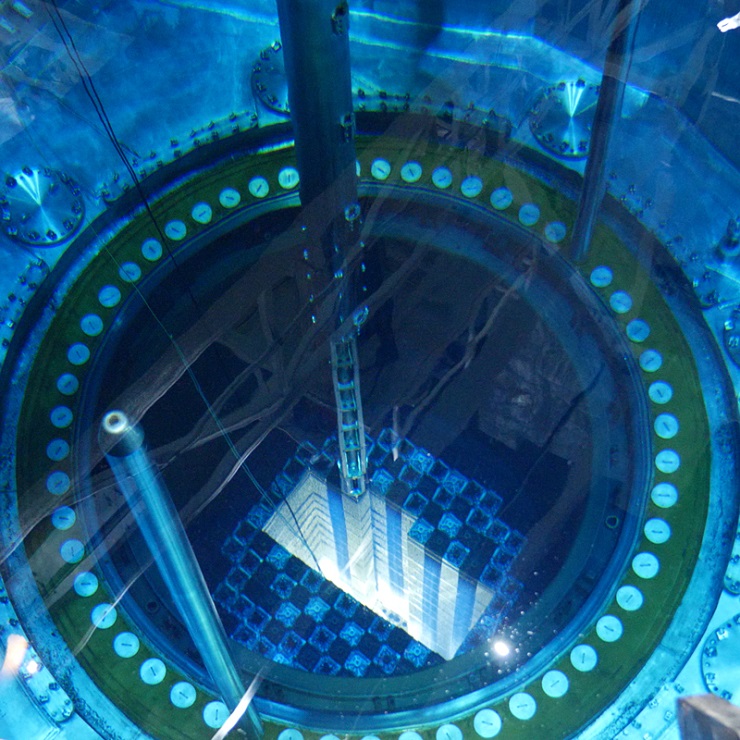
- Typically, every 18 to 24 months, a nuclear plant stops generating electricity for a short period of time to replace a third of its fuel assemblies. The removed assemblies are placed in a spent fuel pool where they cool over time
- The radioactive byproducts remain contained in the used fuel assemblies.
- After the used fuel assemblies have cooled to the point that they no longer need to be stored underwater, they are removed from the pools and safely stored at the plant or at a secured off-site location in large containers made of steel-reinforced concrete
- Every nuclear plant stores used fuel as the industry awaits the completion of either a consolidated interim storage site or permanent disposal repository by the federal government
Alternative Nuclear Fuels
Advanced reactors may use a broader range of fuels than today’s commercial light-water reactors, including higher-enriched uranium fuels such as high-assay low enriched uranium (HALEU), tri-structural isotropic (TRISO) particle fuel, metallic fuels, molten-salt fuels, mixed oxide fuel and thorium-based fuel concepts. These options are being pursued because they can support reactor designs with smaller cores, longer operating cycles, higher operating temperatures, and improved fuel utilization.
In practical terms, alternative fuels can help new reactor technologies deliver reliable clean electricity, industrial heat and flexible energy services while maintaining safety.
Bringing these fuels into wider commercial use will require new or expanded fuel-cycle infrastructure, including enrichment, deconversion, fabrication, transportation, testing and safeguards capabilities tailored to each fuel form.
These fuels can be managed safely and securely when developed under established NRC licensing requirements, international safeguards, and modern physical protection standards. As with all nuclear materials, the industry’s approach is to design, regulate and operate fuel-cycle activities so that alternative fuels support energy security and innovation without creating undue safety, security or proliferation concerns.