COP26 begins next week, and leaders across the world will be gathering in Glasgow to discuss climate change.
A top line priority at COP26 is to secure global net-zero carbon emissions by mid-century and limit global warming. This goal relies heavily on decarbonizing the electricity sector.

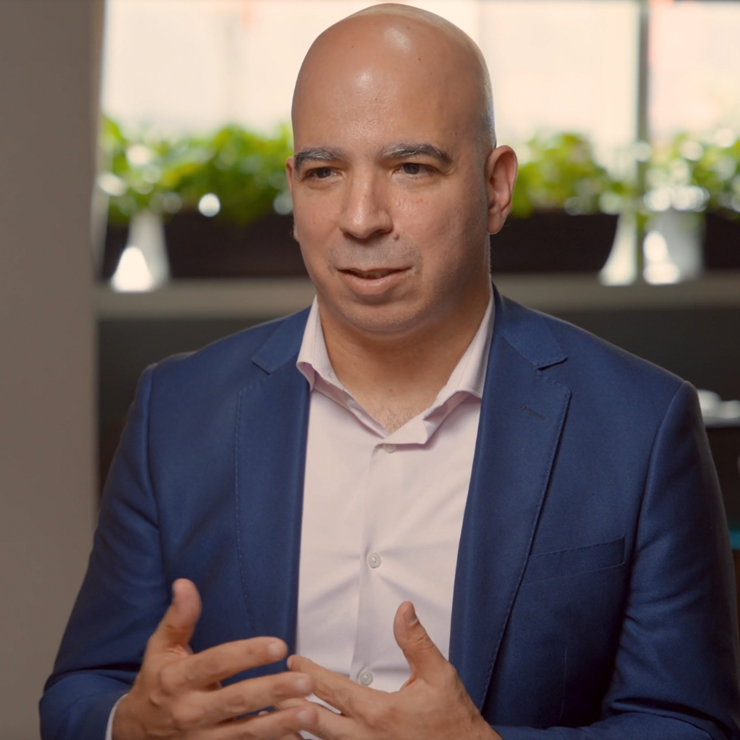
Matt Crozat, NEI’s Senior Director of Policy Development, answers a few of our questions about a carbon-free energy transition and how we can ensure job creation while making this move.
COP26 will be a forum for countries to make commitments to reduce carbon emissions. We’re seeing commitments to accelerate the transition from coal to carbon-free power. As we move to reduce carbon emissions, how does nuclear power fit into the mix?
Nuclear energy is the largest source of carbon-free electricity in advanced economies and is playing a growing role in developing countries. The ability of nuclear plants to run every hour of the day and every day of the year makes nuclear energy a valuable foundation of a carbon-free economy. Nuclear energy works alongside wind and solar to enable a reliable electricity system without emitting greenhouse gases or air pollution.
COP26 will delve into “green growth,” the idea that economies can grow while cutting emissions. How can nuclear energy advance economic growth while protecting the environment?
Reliable electricity is necessary for economies to improve public health, enhance standards of living and develop industry. The ability of nuclear plants to provide large amounts of reliable, carbon-free power make them a vital part of a growing economic infrastructure. Their ability to do that without contributing to climate change makes them even more valuable. These plants also become economic engines for local communities by providing hundreds of well-paying jobs for decades. These plants create opportunities for the people who work there to have full careers that allow them to be permanent members of their communities.
Countries at COP26 will be charting paths to low-carbon futures. What steps should they take to ensure nuclear energy will be an important part of that transition?
The first thing is for countries with operating nuclear plants to make sure they remain a foundation of the clean electricity system. Allowing nuclear plants to close makes the challenge of reaching a carbon-free target even more daunting. Next, demonstrate and commercialize new nuclear technologies. We are in the midst of realizing a new generation of reactor designs that build upon decades of experience. Finally, create the business environment to enable investment in new nuclear plants. This means establishing confidence that we will make long-term investments into this transition to a low-carbon economy.


.jpg?language=en-US)