Last week the first of the fall’s three major international climate-related events kicked off at the Global Clean Energy Action Forum in Pittsburgh, Pennsylvania, and the focus was on clean energy action and the global transition to net-zero emissions. At this convening of global leaders, CEOs, innovators, civil society and more, nuclear energy was recognized as a key part of the solution.
We must deploy nuclear to save the world.
There were many topical roundtables, panels, and other activities that featured the benefits nuclear energy can bring to the global community. Side events centered around actions to accelerate deployment, solutions to global poverty, job creation, grid of the future, hydrogen, and environmental justice—and they all engaged with nuclear as a tool to successfully advance global imperatives.
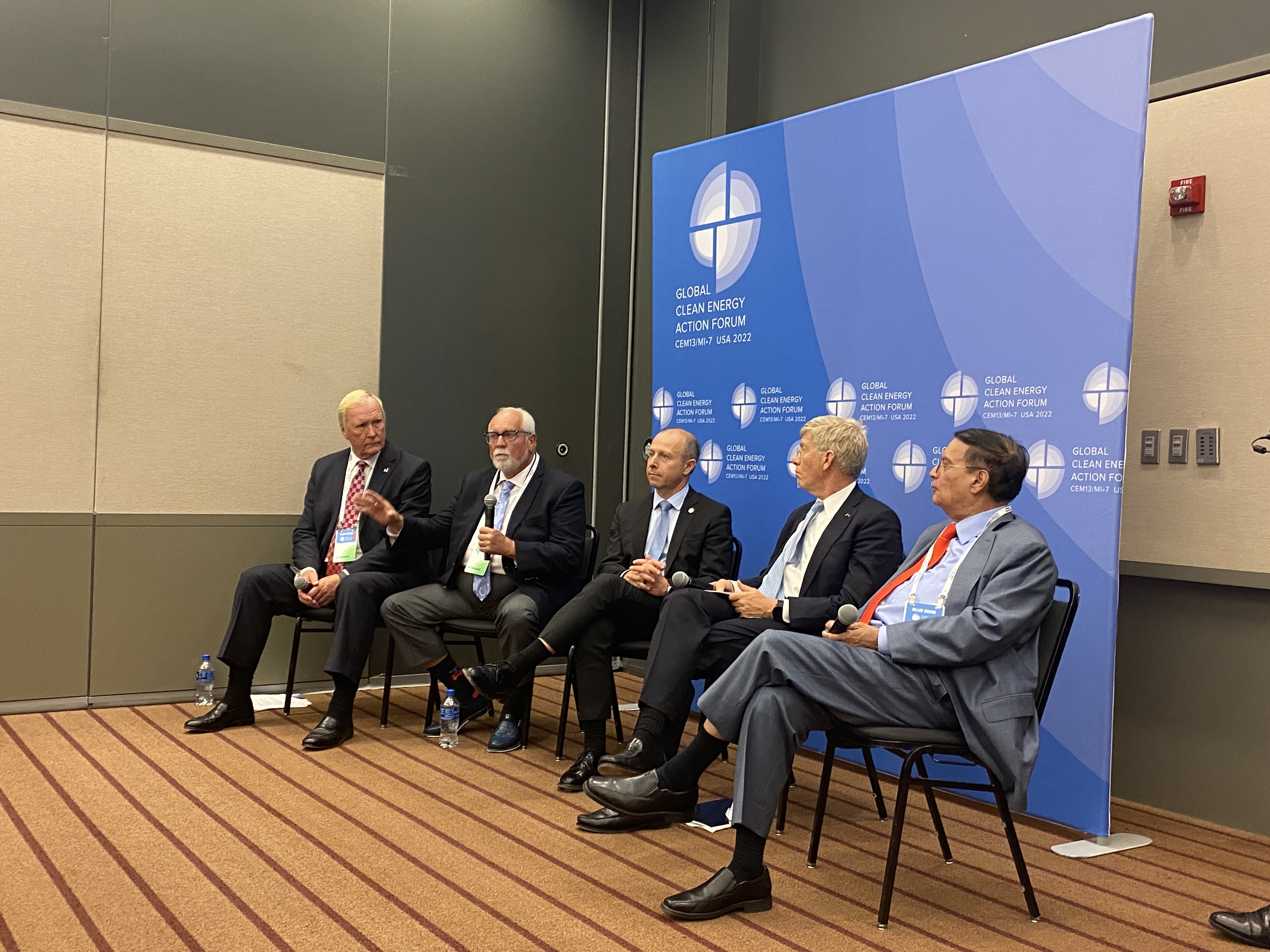
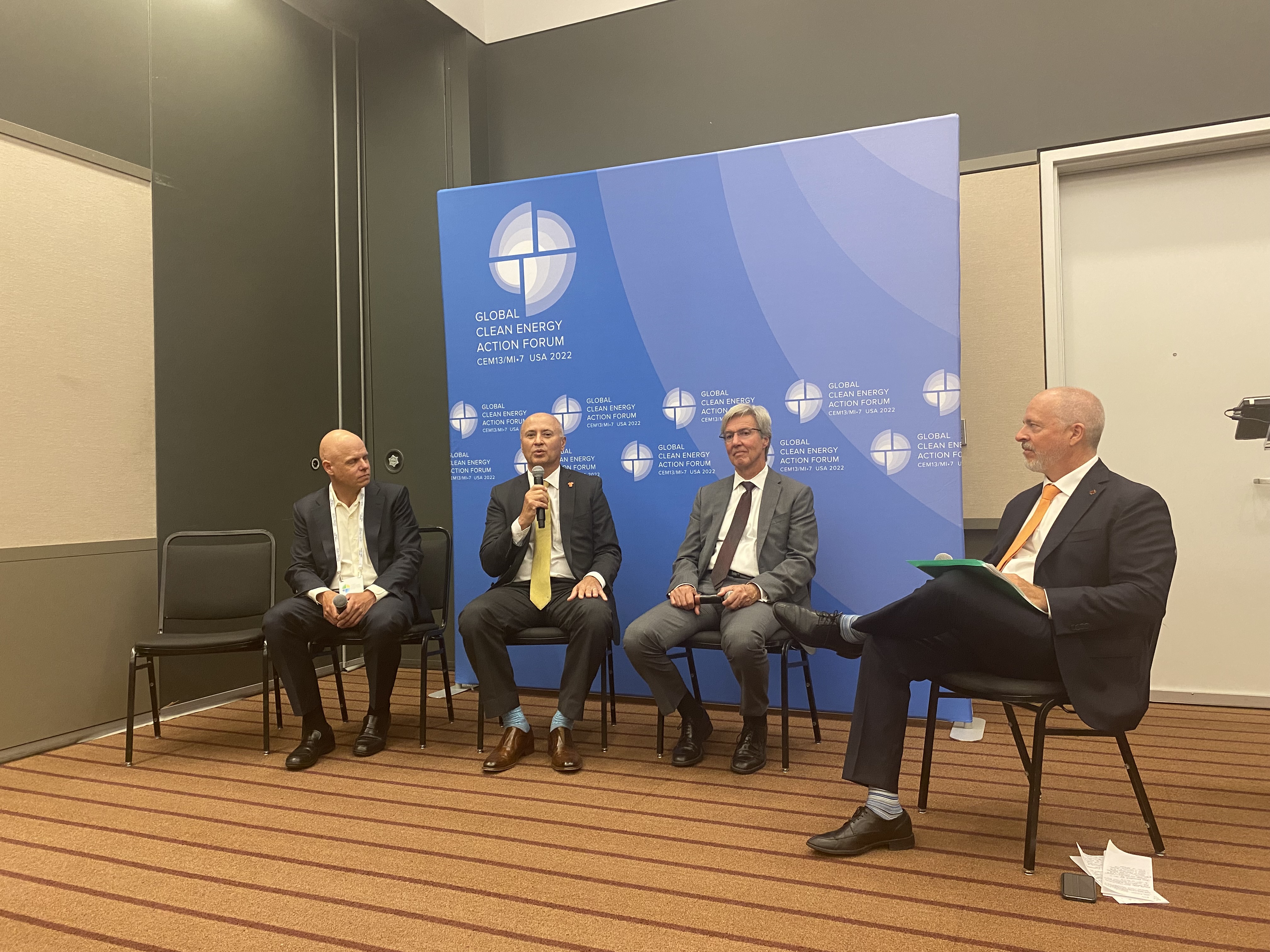
NEI hosted an Advanced Nuclear Energy Business Forum that provided information on the financial investment landscape of nuclear, opportunities for growth to deliver at scale, stakeholder perspectives and more.
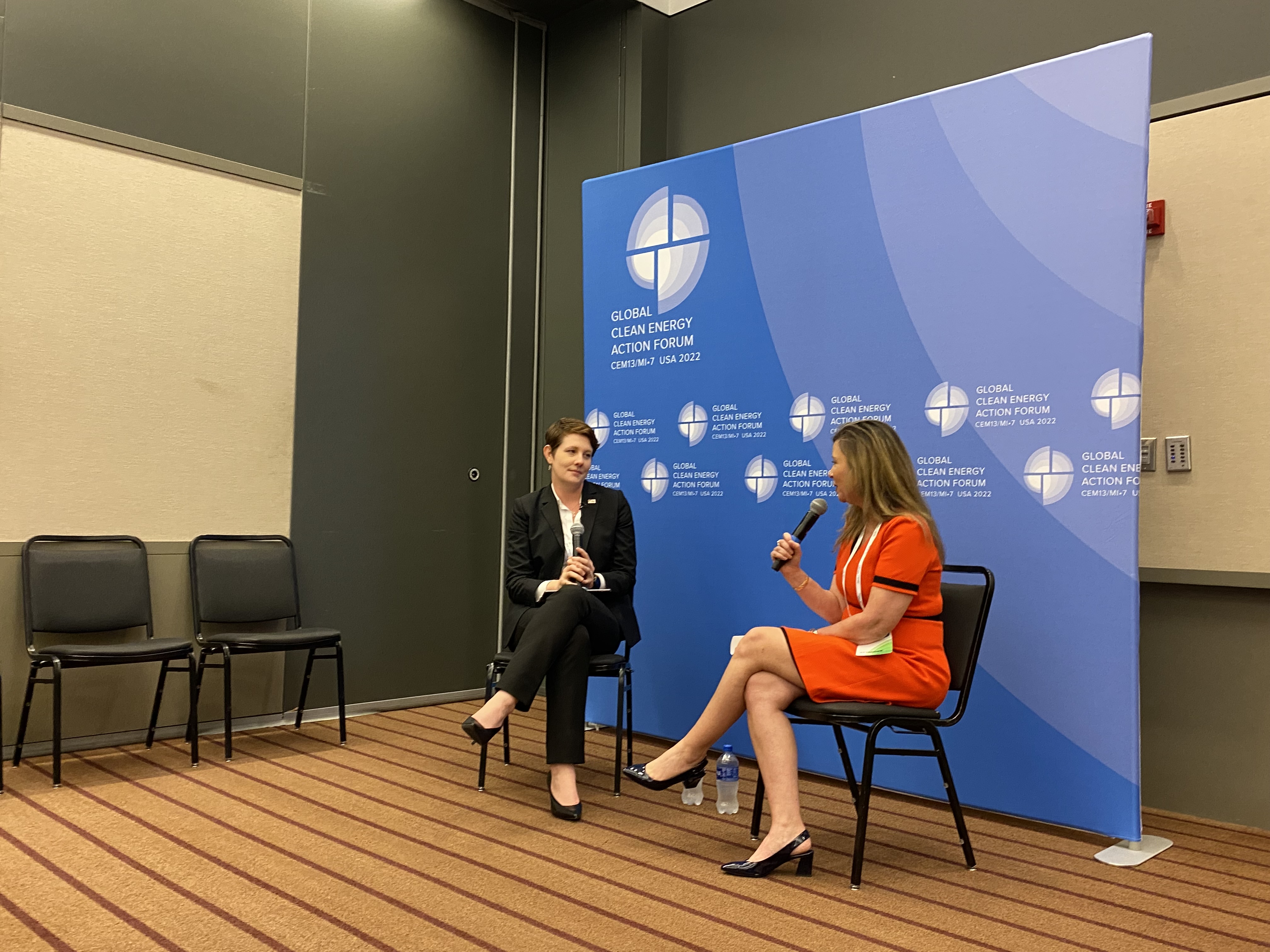
Maria Korsnick, NEI’s president and chief executive officer, opened the forum with Dr. Kathryn Huff, the Department of Energy’s assistant secretary for nuclear energy. They spoke about DOE’s Earthshots Initiative, nuclear’s role in decarbonization, and the coal-to-nuclear transition.
“The most important resource at coal plants are the people, and they are important for our just energy transition. We have to get to a place where we won’t leave communities behind. Before retirement of these facilities, we have to think about transitioning to new technology,” said Huff.
It is very clear that nuclear energy is an excellent one-to-one replacement opportunity for one of the biggest contributors to climate change—coal … we have a real chance to stop these emissions and provide direct clean power that is reliable in the way that fossil fuels have been,” said Huff.
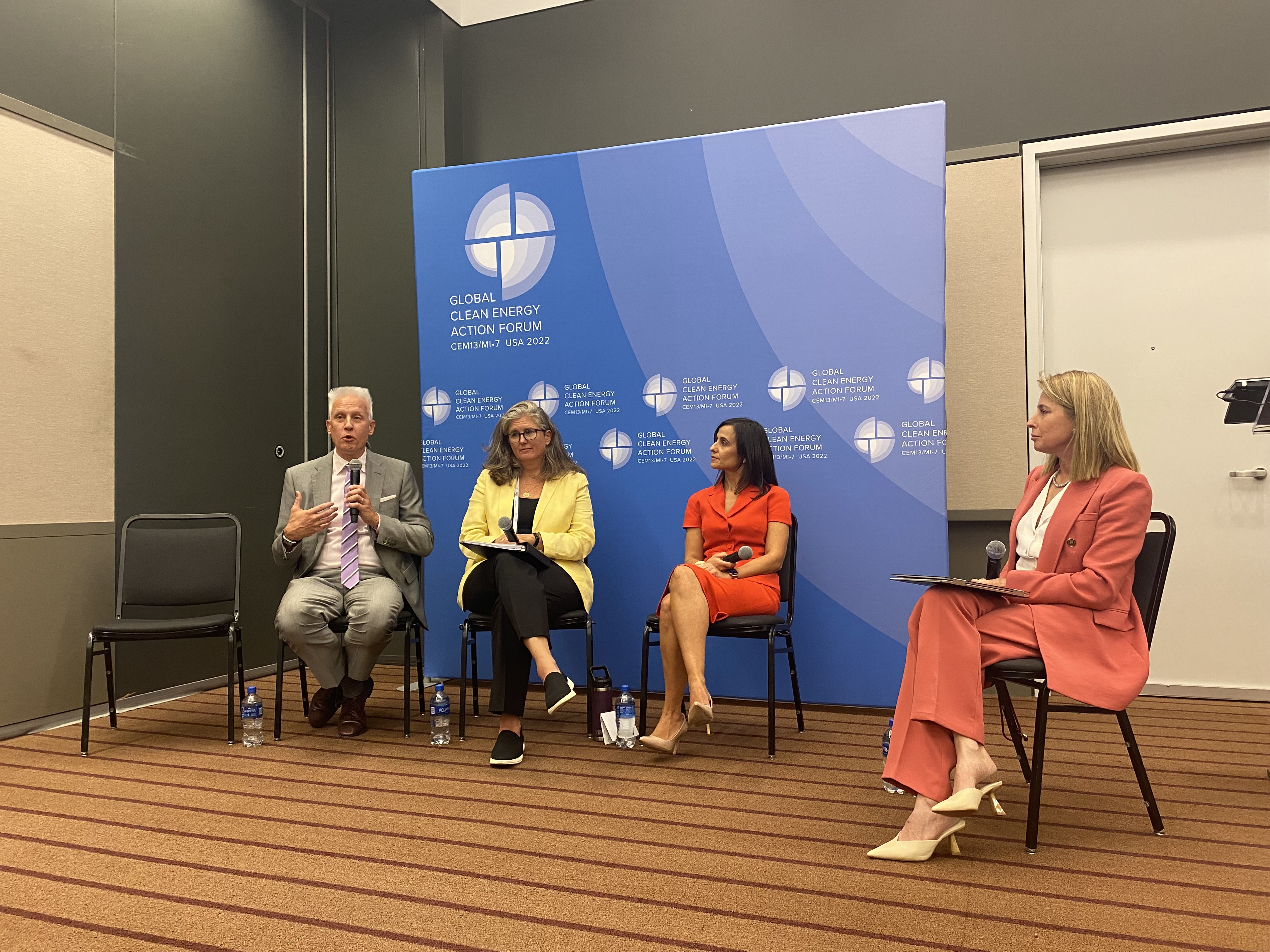
The forum also featured panels on the investment landscape of nuclear; a sustainable, secure, and affordable energy system; and challenges and opportunities for delivering at scale.
Members of the panels discussed the economic benefits nuclear provides communities such as propelling new schools and housing developments through a consistent tax base, providing consistent, quality jobs, and cleaning up air quality.
“We saw a huge change in smog days because of nuclear. As we phased out coal, you can actually see the skyline and breathe outside during the summer,” said Mike Rencheck, chief operating officer at Bruce Power in Canada.
Mobilization of climate funding is essential to fighting climate change.
“You can’t have decarbonization without reliable, dependable energy for all. That’s the piece ESG is missing right now, but I have hope because you can clearly see nuclear needs to be a big part of the solution,” said Marc Bianchi, managing director at Cowen, an investment banking company.
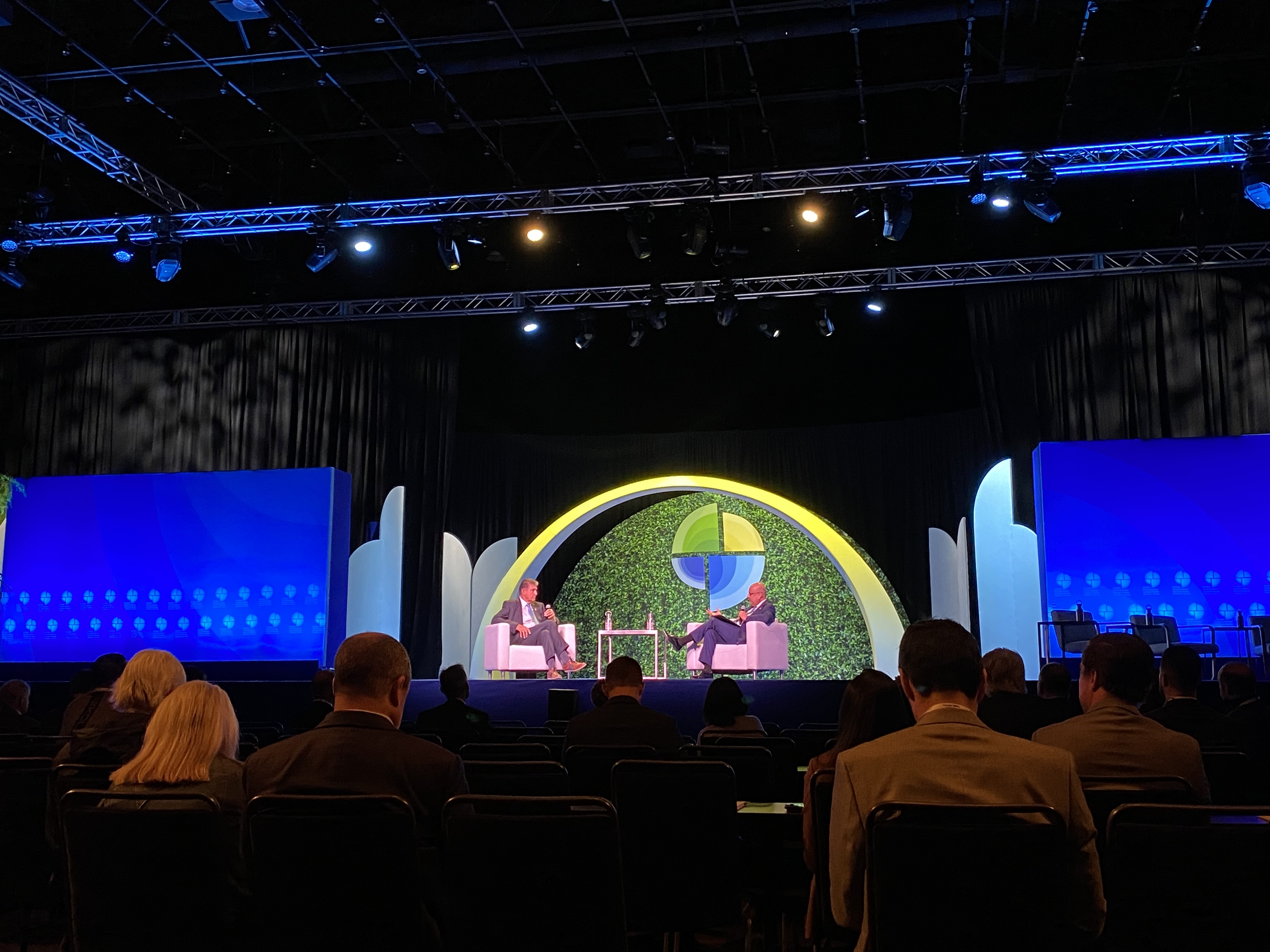
A number of leaders spoke at the plenary sessions of the event, such as Bill Gates, John Kerry, Secretary Granholm, and Senator Joe Manchin. When speaking about climate solutions, Manchin spoke about how the tax credits in the Inflation Reduction Act (IRA) will help the deployment of small modular reactors that can produce not only electricity but also products such as hydrogen.
Nuclear’s position in this legislation—“the biggest step forward on climate ever”—leaves no question that nuclear energy is vital to our clean energy grid and economic future.
“The goal here is not to develop nuclear. It is to mitigate climate change, and to do that, we need carbon-free sources of energy,” said Ralph Izzo, chief executive officer at Public Service Enterprise Group (PSEG). “What the IRA does is set up advanced nuclear to deliver this—on budget, on schedule. It’s the most essential part of the toolkit going forward.”