When you read news about nuclear energy, it is usually about a federal policy or an action by a specific company. But, there’s so much more than that happening at the state level.
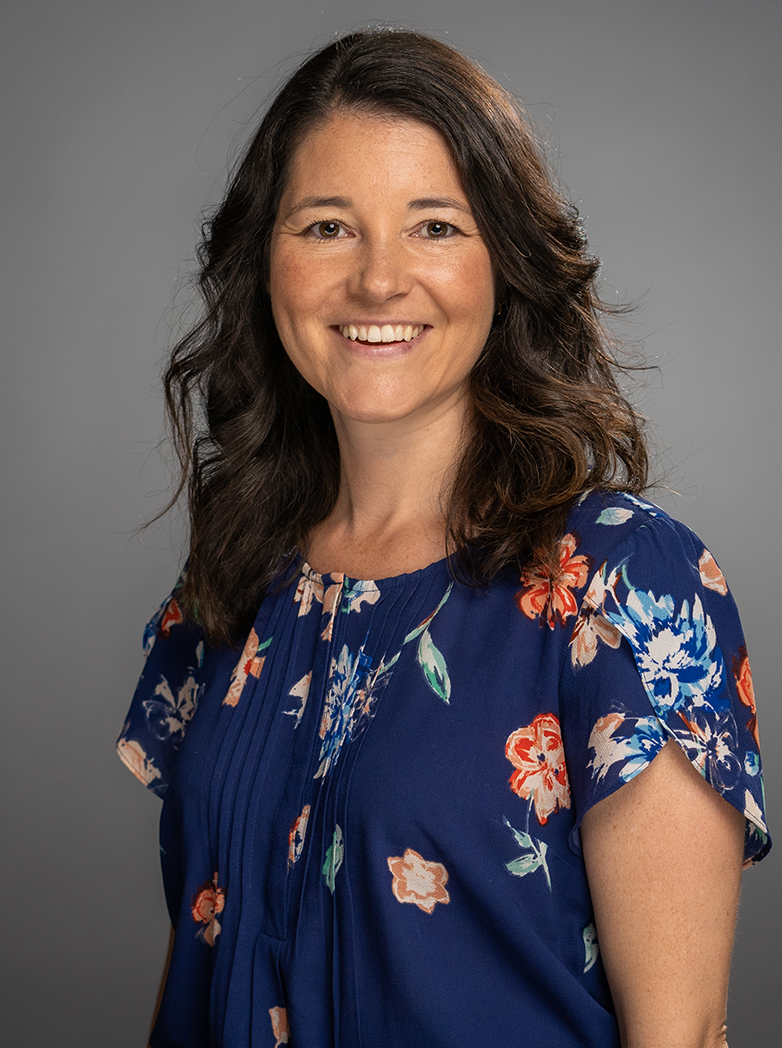
Want to learn more about nuclear in the states? We’re asking the expert, Kristy Hartman, NEI’s Senior Director of State Policy and External Affairs.
What is the difference between actions that state governments can take and those of the federal government?
The role that states play in both supporting the existing nuclear fleet and building out new reactors is really critical. States have a number of unique functions, including exploring feasibility studies and long term energy planning that includes nuclear in the state, streamlining development, looking at siting and permitting, and also offering a whole variety of tax incentives and other funding measures that would attract businesses to their state.
Why are state policies so important to the development of nuclear technologies in communities?
You know states are really the laboratories of democracy. They can explore all types of policy options, and when it comes to nuclear there's just more activity than ever. States really see the benefits that nuclear provides that maybe other generation sources, do not, such as clean energy, reliability, looking at national security and all the economic benefits of nuclear plants.
In what state governments are we seeing new interest for new nuclear development?
It's really exciting to look at nuclear across the country. In the States, we're seeing so much activity, both from states that have operating nuclear units, and states that maybe have never explored nuclear, that are now, interested in those policies. We're seeing year over year increasing activity from state legislatures, the number of bills that are introduced. We're seeing governors offer either supportive conversations around nuclear and their states or really coming up with specific initiatives to support nuclear. And we're also seeing public utility commissions who are either signaling support through new dockets or considering sort of different measures on behalf of utilities that support nuclear.
What new actions have we seen in the last year or so?
We're really building in the States. We're seeing so much exciting momentum for nuclear, and that is really playing out in a whole variety of ways. You know, states are the laboratories of democracy where they can explore innovative policy options. So, in 2025, we saw a number of states really take the lead.
And this was across all state stakeholders. So, we're seeing the governors interested. We're seeing state legislative action to back that up. We're seeing public utility commissions really exploring and signaling support for nuclear. So, I would just mention a few states, in particular. It was a really exciting year in Texas where we saw a whole package, pass in support of nuclear. It included funding to support new nuclear projects, building out a specific nuclear office that also included efforts to support the nuclear workforce and uranium mining. So really exciting to see.
But we have other states that have been sort of building year over year. I would call out Indiana, where we've seen the governor really come out strongly in support of nuclear waste in the legislature, passed a variety of tax incentives and other interesting policy measures to really attract businesses to the state.
And also in Utah, where Governor Spencer Cox has a new initiative through the Western Governors Association to really explore nuclear, among other topics in the Western states.
What state actions are you looking for doing forward?
I'm really excited to see the momentum that we've been building in the States over the past few years. There's a number of different state organizations that are working directly with state stakeholders, to really, consider the role that nuclear can play in those states. So, in particular, we're seeing state energy offices that haven't historically had a leading role in nuclear, really looking at what types of state energy plans or support can the state provide to really build out an order book to support new nuclear. So, that’s very exciting to see.