Germany shut down its last nuclear plants in 2023. As global energy demands are increasing, the country is asking whether that decision came at a cost.
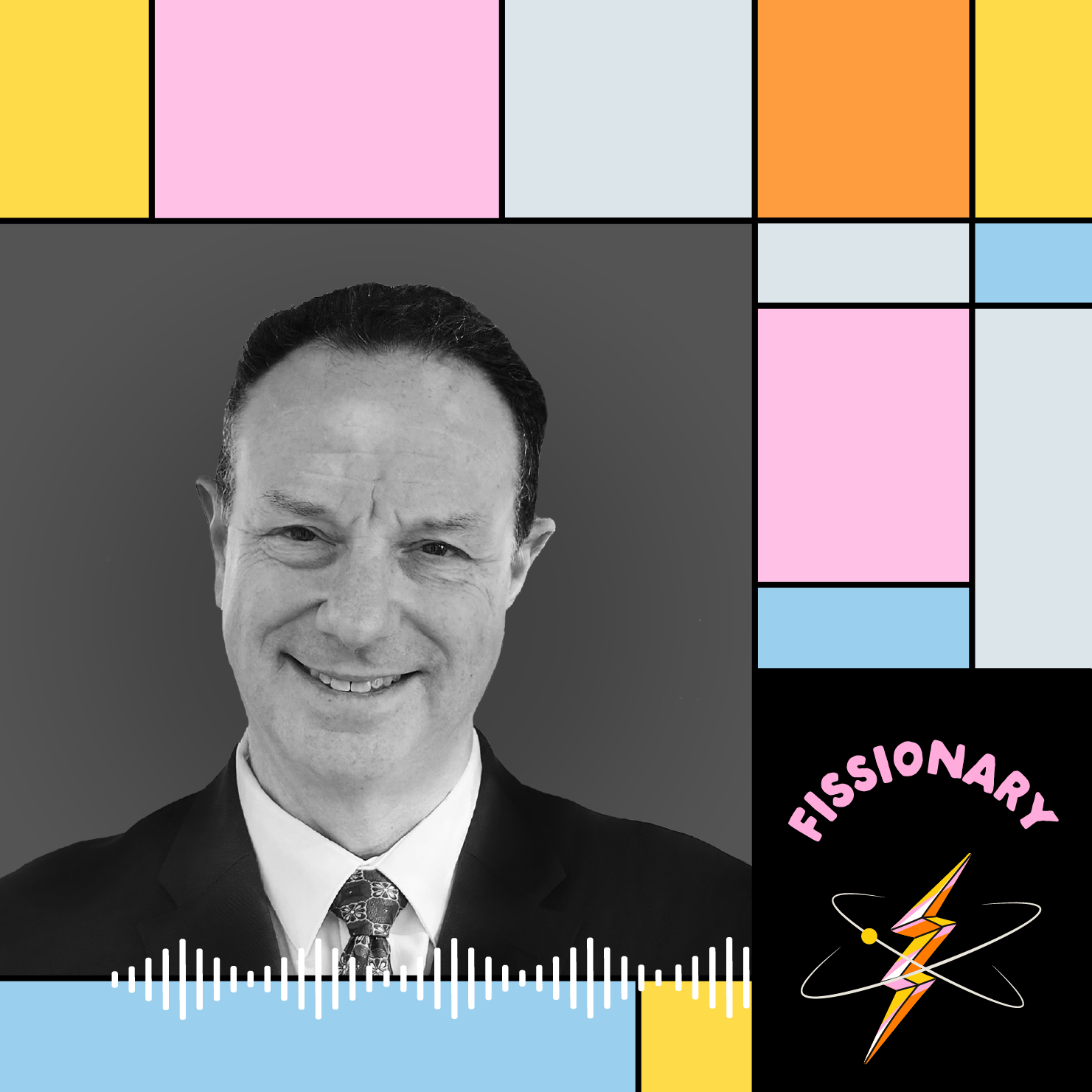
In this episode of Fissionary, Mary and Jordan head to Germany to talk with educator and Mothers for Nuclear Deutschland co-founder Britta Augustin about the country’s changing nuclear conversation. From rising energy prices and economic pressure to shifting public opinion and growing political support, Britta explains why nuclear is once again becoming part of Germany’s energy debate.
The energy crisis, which was already known in in 2021, that this energy crisis can lead to an economy crisis. And this is what's unfolding now. The energy prices driving our industry out of the country since many years. Lower taxes, lower income for the state and higher prices due to the energy prices. And this is now affecting everybody, so everybody is coming to the real problems.
With all of these factors, Britta is helping change the conversation in Germany. She says Germany’s market prices for energy are three times higher than they were when they had nuclear energy. Needless to say, there are regrets in Germany.
There is a deep regret, because a lot of people—you don't hear from these people in the media—but a lot people experience how it feels firsthand. You have the communities who lived around the power plants. The power plants where they paid taxes, really huge amounts of taxes, so these communities around, the villages around the nuclear power plant, they could afford everything!
We’re seeing people over in Germany, the rest of Europe, and the whole world realize we need nuclear. While it is unfortunate that places like Germany have closed their nuclear plants, the good news is there is time to reverse course. More and more folks are speaking up so we can create change.
More and more politicians speak out, and also people, journalists speak out, people from the economy speak out, more and people. This is a development since many years. And Nuklearia is beyond politics. We want to show everybody that—that nuclear is fine... So, this is the report we will publish soon to show, nope! It's not expensive and it's not too slow when we build them back.
To learn more about the history of nuclear in Germany and nuclear in Europe in the wake of Chernobyl, be sure to tune in!
The next episode airs on Thursday, August 6. Make sure to tune in, Fissionaries!
Britta Augustin We need the cheap energy. We have market prices of energy three times higher than the market prices when we had nuclear. Three times higher.
Mary Carpenter This is Fissionary, a show exploring how nuclear powers your world. I'm Mary Carpenter.
Jordan Houghton And I'm Jordan Houghton. Let's jump in.
Mary Carpenter Hey, Jordan.
Jordan Houghton Hey, Mary. And hello, Fissionaries.
Mary Carpenter Hey Fissionaries, welcome back. As you know, this season we're exploring nuclear around the world and we have a super interesting stop today because on this episode, we're headed to Germany.
Jordan Houghton Germany is one of the most interesting nuclear stories out there right now. The country shut down its final nuclear plants in 2023, but now rising energy costs, industrial pressure and energy security concerns are changing the conversation.
Mary Carpenter So, today we're asking, what happens when a country closes its nuclear plants and then starts wondering, what if it was the wrong decision? So, today we brought on Britta, who is the co-founder of Mothers for Nuclear Deutschland, and she really understands the political conversation around nuclear in Germany and public perception around nuclear in Germany. And it's a really interesting episode just to talk about this country that had nuclear, turned away from nuclear, and now is wondering was that the wrong choice?
Jordan Houghton Yeah, so let's get into it.
Mary Carpenter Britta Augustin is a high school mathematics and computer science teacher and co-founder of Mothers for Nuclear Deutschland. Growing up in East Germany, her love of nature led her to think deeply about energy, climate, and the role nuclear can play. Today, she advocates for nuclear in Germany through public outreach, education, and grassroots organizing. Britta, welcome to Fissionary!
Britta Augustin Hello! So great that you have me here.
Mary Carpenter Well thanks so much for joining us and can you start by sharing a little bit more about yourself and what brought you to nuclear?
Britta Augustin I grew up in the eastern part of Germany and we had quite a big Russian influence. We had nuclear seen as the technology of the future. I was interested in science fiction a lot and you had these novels, science fiction novels and nuclear was shown in a positive way because when you have space travel and abundant energy for everything, it goes well together with Socialism, this idea of having abundant huge amounts of energy that everybody gets what it needs. Also, when I was a child, Chernobyl happened, but we were not able to hear about it, because where I lived in the part of Eastern Germany, we had no access to Western media, so I learned about Chernobyl only after the reunion. I got to research it because it was so unbelievable, such a big accident, and I wanted to know what caused it. When I did my research about Chernobyl, I saw how big the differences were between the Western and Eastern nuclear power plants and it made—drove me crazy, like everybody was like, oh, nuclear is too dangerous. But I saw differences between the reactors and the safety culture and everything in Western Germany it was perfectly fine. This was an interesting gap.
Jordan Houghton When you learned about Chernobyl later, it didn't change your impression about nuclear?
Britta Augustin No. Because Chernobyl was fascinating because an explosion—there has to be something big behind. Like, what has to happen to cause such a major accident even if the accident was perceived even more dangerous as it actually was? With the knowledge at this time, it was possible to research the major differences between reactor types and between the whole thing around it, like safety culture and workforce education and even the way to build the building. We had in Germany we always had this very strong containment around our reactors and Chernobyl just didn't have it. These little details you can easily research so Chernobyl did not influence me in a negative way, quite the other way around. It influenced me in ways that I saw our German nuclear power plants. I visited one after reunion and it was completely clear that this is another type of reactor and the world learned from all the accidents and the world learned from the German standards. So, Germany played quite a role in safety for around the world for the nuclear power plant and not only about safety, but also we had the highest efficiency of our power plants. Like, little workforce to produce so much energy and still have the highest standards. But you could follow the media, and the media was not covering this. Still, to this day, our media is not covering the fact that Chernobyl and Fukushima could not have happened here in Germany. In 1986 when Chernobyl happened that—children were not allowed to go outside. They had to spend the whole summer inside, they ate out of metal cans, the sand and their playgrounds got changed, and they still believe to this day that this was justified. And despite this, we have a shift in the perception of nuclear. Despite this, because we are in so much economical trouble, the people just don't care about this. Fears, they are—somehow cannot touch the fear, but you can touch the fears of the prices rising.
Jordan Houghton So, listeners of our podcast may only know Germany as a country that recently phased out nuclear. Tell our listeners, what is the conversation around nuclear there right now?
Britta Augustin The conversation is triggered by two things. My organization, Nuklearia, was founded after Fukushima. Since then, the educated public brought bit by bit every fact which is right and contradict what is in the people's minds. So, this is really a long-term effect we see here, that with our website, with our many events and social media, now we have an influence on this debate because more and more people realize how much is the gap between the actual truth about nuclear and what is known. Other factor is we had—we have an energy crisis since 2021, even before the war we had an energy crisis. So, these two things play together. The energy crisis, which was already known in in 2021, that this energy crisis can lead to a economy crisis. And this is what's unfolding now. The energy prices driving our industry out of the country since many years. Lower taxes, lower income for the state and higher prices due to the energy prices. And this is now affecting everybody, so everybody is coming to the real problems. And the real problems now, yeah, are economical problems. People feel it in everyday life. You cannot afford holidays. Even driving is expensive, you cannot afford to go out for eating, and so on and so on. And this makes irrational fears, like, obsolete. Also, journalists followed our argumentation that with cheap energy we can improve our economy. And that's why the discourse is changing, not by educating the people, not by learning about, oh, nuclear is actually green and stuff. No, by just the sheer necessity. We need this energy, there is no country in the world with low energy production and a high standard of living. This argument is coming through in the moment. We need the cheap energy. We have market prices of energy three times higher than the market prices when we had nuclear. Three times higher. And this is driving not only the industry out of the country, it is also forcing companies to close and even the whole middle of the economy to give in. We have a big decline in economy.
Jordan Houghton Britta, do you think there's regret about this phase out then, with all of the negative impacts you've just walked us through?
Britta Augustin There is a deep regret, because a lot of people—you don't hear from these people in the media—but a lot people experience how it feels firsthand. You have the communities who lived around the power plants. The power plants where they paid taxes, really huge amounts of taxes, so these communities around, the villages around the nuclear power plant, they could afford everything! The biggest and nicest playground for the children and the nicest streets and community buildings and everything. People were content and happy. Their good-paying jobs are gone, the taxes are gone and all the workers from the nuclear power plants and all supply chain brokers and everything—everybody made profit out of it, so they are beyond regret, they are in total anger. But of course also politicians, like our Chancellor or as a high ranking politicians of government, or parties also from European Union. We have a German Chancellor in European Union, and she said the same what our Chancellor said early this year, it was a major, a major mistake. And you have quotes like this all over the media that a lot of people say this is not regret, this is more than regret, we made a big mistake. And our organization is now trying to add to the discourse. So, no problem. We have to put a lot of work in, but we can phase in again. There are many people willing to work for the phase in. We can build them back. This is a part of the discourse which is blocked because we have a difficult political situation. So, everybody knows it has to happen. Something has to happen. We need a growing economy.
Mary Carpenter So, you're seeing more and more politicians be favorable for nuclear, right?
Britta Augustin Yes. Actually, yes. More and more politicians speak out, and also people, journalists speak out, people from the economy speak out, more and people. This is a development since many years. And Nuklearia is beyond politics. We want to show everybody that—that nuclear is fine. So, this is well known, but still in public media, they show us, our action, and we appear nice, and we say nice things, and we get our statements broadcasted, but then somebody comes and says, no, it's just too slow and too expensive. But that's not true, and that's why we publish a report now to show when, and with which money, what costs, we can bring back our existing power plants. So, this is the report we will publish soon to show, nope! It's not expensive and it's not too slow when we build them back.
Jordan Houghton Britta, tell us more about Mothers for Nuclear Deutschland. How did you bring this organization to light? And tell us more about, you mentioned this paper that you're working on, what else is the organization focused on right now?
Britta Augustin Mother for Nuclear is just a part—we have a little movement of nuclear organizations in Germany. I'm working now for Nuklearia, but this in Nuklearia—at the Nuklearia demonstrations from 2020, we met up with other mothers, we met at the actual events of Nuklearia demonstrations at the power plants, and we had the feeling we want to have an own sub-organization within the movement to work with females. The nuclear movement is, yeah, dominated by men, or was dominated by men, of course, and so we felt we need our own space and then we discovered we are also mothers. You want to build a better world for your kids and we felt like this could add to the discourse, and—another voice to discourse. We care for nuclear because we care for everybody. This makes it very quick to persuade people to be in favor of nuclear. We go to the streets with our t-shirts, and we are pink, we are colorful, we are caring. And this can really make a difference in the discourse with our social media outreach. We never made it to the politicians, we made it through the media. They were interested. We spoke also with politicians, but we are quite more successful with Nuklearia in this matter. When we talk with politicians what they want is more the is another approach. They don't want the emotions, they want the facts. So, and this is why I guess Mothers for Nuclear is working in public perception very well, but in policymaking we work with Nuklearia, because Nuklearia last year made a conference where we were able to also include the nuclear industry. And the advocacy bringing it kind of together, like, it is important that advocates tell the same things and we get backed up by the actual industry. Because when we say we can bring the power plants back in a few years, we need something from the actual industry to say, okay, that's true.
Mary Carpenter That's awesome. So, it sounds like you work with young people with mothers for nuclear, but also obviously you're a teacher, and you've talked a lot about public perception. What are you seeing in the terms of public perception for nuclear from the youth in Germany? Do they have fears? Are they pretty pro-nuclear? What's the sense you get from younger Germans?
Britta Augustin That's very interesting because they are very fascinated also by the topic, because they sense that—this is a very controversial topic for them, because they know all the cultural background from their parents, they know something is not in harmony. You have this older generation opposing nuclear and the whole world around is building nuclear and speaking about nuclear and this is the contradiction. Young people are very fascinated by this contradiction, because they don't feel fear, they are just open to learn about it, and that's a nice thing. They are totally open. You can work with this.
Jordan Houghton That seems like that would be helpful to have their support, like, because these people are going to age, they're gonna grow up, they're going to end up in positions of power. So, I'm curious what you think, if Germany seriously wants to reverse course on this, what are the immediate steps that need to happen?
Britta Augustin The legal situation is like this: it's forbidden to produce electricity and sell it with nuclear power. So, you need a legalization. Just you need to legalize nuclear, because all the rules are still in place. You have these allowances to run these places, it’s still working because they need this to make the decommissioning process, so you just need to legalize it. You need to write into law, it's not only allowed to produce energy with nuclear and to sell it, you need to invest some billions in total for all the plants, and you need to get the money back from the investment. So, you need an allowance to run nuclear power plants for at minimum 20 years. And this, it has to be written into law. And this would be all it takes. We have the insurance, we have the money for the deposit, we have the supply chains, we have the companies, we even still have the workforce. They are exporting. We have nuclear companies in Germany exporting to other countries, like, parts for nuclear power plants. So, they could be the supply chain for our German nuclear power plant. They are just waiting for the law to change. This Nuklearia, we publish the report to have in detail every problem solved. We show in our report every technical detail what has to happen in a technical way, in a legal way, what's with the workforce, what's with everything. When we publish this report, we can show everybody it's possible. And then we just need the media to cover it and politicians to read it. This is already happening, that politicians are very interested in it. But we show everybody who wants to know it's totally fine, it's totally possible to bring the nuclear power plants back.
Mary Carpenter Where can our listeners find the report if they want to look at it?
Britta Augustin We will have it on our website. It's a report. We are doing it together with an American organization. The report itself is published by an American organization, so you can find it at Radiant Energy and on Nuklearia website and socials when we publish it soon.
Jordan Houghton I'm curious if you think the growing momentum for nuclear across Europe is having any influence on the conversation inside Germany.
Britta Augustin Yeah, this is fascinating because the Germans feel quite comfortable to have a different opinion. Of course, people perceive it around us, but they are in disbelief. You have such a strong opposition in the heads of certain people that you just don't believe it, what's happening in Europe. You have this nuclear alliance who promised to triple the nuclear capacity all over the world and you have—it's not only Europe. Every country with a really growing economy and a big economy is grounded by nuclear energy. That's why you have so many people in the surveys in favor of nuclear, because they see, yeah, everybody around us is using nuclear. This normalizes this whole nuclear thing. Germans can be very stubborn. We don't need nuclear. We have something better. But we are at the point—solar is not adding up anymore because we have too much solar. And people learn the hard way. This system, the solar and wind and storage and everything makes energy not only expensive by now, but even more expensive in the next years because the system costs are rising exponentially. We are already at the ceiling of what solar can deliver, we have too much of it. Now in the summertime—and need to get rid of it, it's also expensive and we need to have the storage. And Germany is already at a point where we cannot afford it anymore. It's billions per year what we pay on subsidies for solar and wind, 18 billion per year and the system costs are at, like, 20 billion in a year, and rising.
Mary Carpenter Sounds like there's a long road to go, but it does seem like some politicians and the larger public is favorable for nuclear and things are changing.
Britta Augustin Really, what I said now about the numbers, it's not communicated clear enough, still. And if politicians communicate it, they get attacked. But this is the first time this year that the German public got to know these numbers at all, like the system costs of our Energiewende. So this is a slow process. People need to process this information and this is why the progress is so slow, but our economy is rapidly declining and that is our chance to bring back the nuclear power plants because this process maybe gets accelerated by the economy situation. Because people losing their jobs, that's where people really think quickly and process such information more quickly. So, there's this chance we have to bring the nuclear plants because still we have some substance, like, to build on, to really make a difference for our economy now, so we hope we can make it!
Jordan Houghton We hope so too, and we're glad you're on the case.
Britta Augustin Thank you.
Jordan Houghton Last question for you, what's your favorite place you've traveled to and why?
Britta Augustin Oh, okay. We were in France for holidays. I love France. We travel by the nuclear power plants, of course, but there is the ocean and there are also nuclear power plants at the ocean, and the Atlantic Ocean is just great. I love it. I loved the waters, the movement, the waves. For me, it's good to know that they have such a, such a big amount of, of, energy by nuclear power plant, so I like to travel these countries, not only France, also Czech, in the future also Poland, I really like the ocean. The Atlantic Ocean because I'm a good swimmer and I like to move and it's so calm!
Jordan Houghton You're going to have to come out at some point and see Diablo Canyon.
Britta Augustin Yes!
Jordan Houghton Because that is a nuclear power plant on the ocean. You can combine all of your loves in one visit.
Britta Augustin Someday. We chilling together at the ocean, celebrate our wins!
Jordan Houghton Yes
Mary Carpenter Yes! Well, thanks so much for joining us. This was super interesting. It's so much going on in your country, so thanks for giving us a little perspective into it.
Jordan Houghton Thank you for your work.
Britta Augustin Yeah, thank you for having me!
Jordan Houghton Well, this is a great episode. Really interesting, incredibly complex situation in Germany. It sounds like, thanks to the work of people like Britta, they are slowly but surely moving back into the right direction to help secure their energy future.
Mary Carpenter Yeah, it was really interesting to hear from her, kind of the misconceptions people have and how common misconceptions are fed to the public, but it sounds like there's a lot of work going on to change misconceptions, and public opinion is actually changing, so, that's exciting. A lot of interesting information from Britta, but a lot of exciting stuff coming out from Germany, it seems like.
Jordan Houghton Yeah, hopefully more good news to come. So, if you enjoyed this episode, make sure to follow Fissionary on Apple, Spotify, or wherever you listen. And while you're at it, please leave us a rating or review, it helps others discover the show.
Mary Carpenter Thanks for listening, we'll see you next time on Fissionary in a new country.