
Newsroom Archive
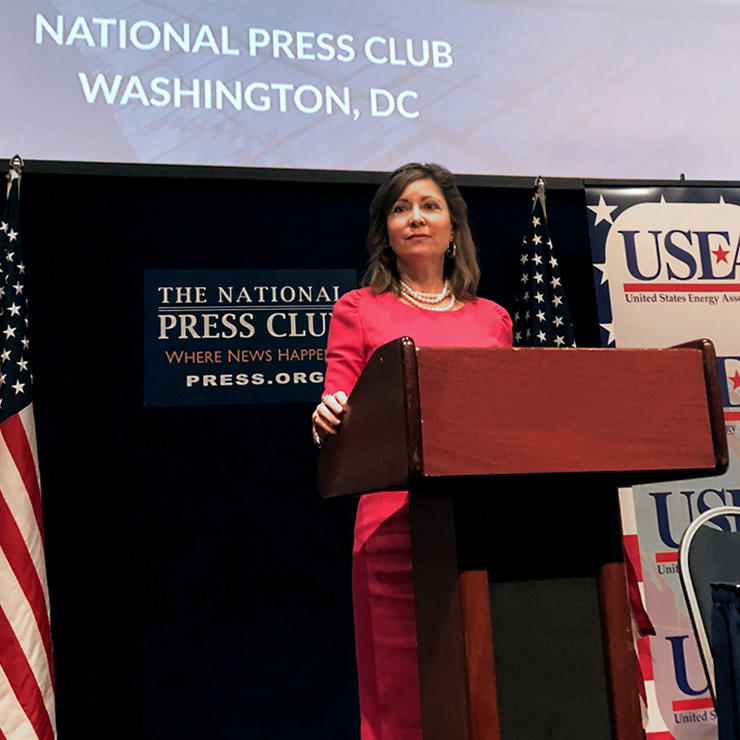
How do we ensure we’re meeting America’s electricity needs while also protecting our environment? asked Maria Korsnick, NEI president and chief executive office, at the U.S. Energy Association’s annual State of the Energy Industry Forum.

Joshua Goldstein, a professor emeritus of international relations at American University, and Staffan Qvist, a nuclear engineer and clean energy consultant, think that “only nuclear energy can save the planet” and lay out their argument in a new book, “A Bright Future: How Some Countries Have Solved Climate Change and the Rest Can Follow.”


President Donald Trump signed the Nuclear Energy Innovation and Modernization Act (NEIMA) (S. 512) Monday, whose purpose is to modernize the U.S. Nuclear Regulatory Commission’s functions by establishing a new budget and fee structure and developing a revised licensing framework for advanced nuclear reactors.
Nuclear energy is key to any effort to protect the climate, so we must take action to support it, say Joshua Goldstein and Staffan Qvist in The Wall Street Journal.
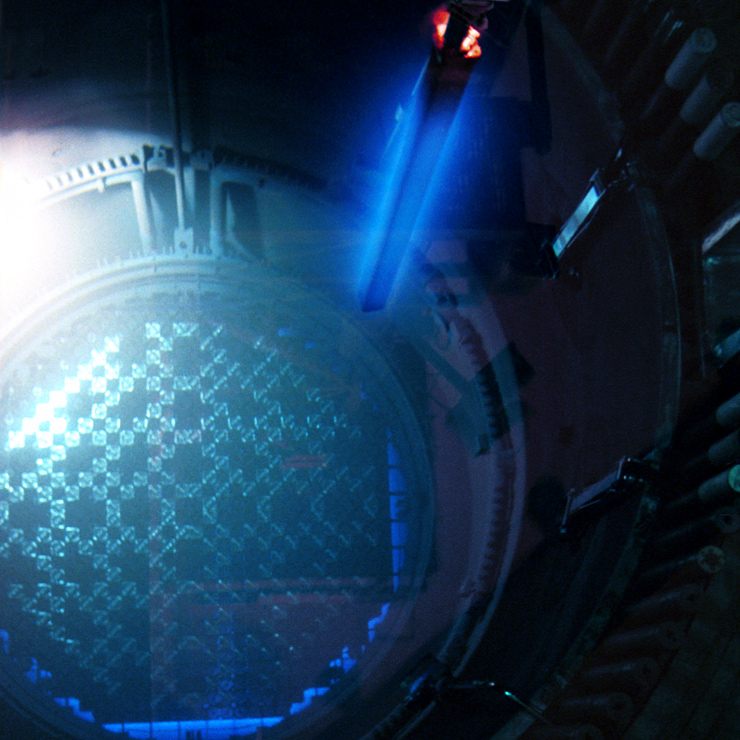
As a new Congress begins its work in Washington, D.C., key on the agenda for many lawmakers is energy policy. And nuclear energy—a key component of our nation’s energy needs—touches almost every aspect of energy policy. Here’s an overview of how nuclear reactors work along with their contribution to a stable electric grid, carbon emission goals and national security.
NEI CEO Maria Kornsick sat down with Bill Loveless at Columbia Energy Exchange to talk about the future of nuclear energy in the U.S.

William Ostendorff, former commissioner of the U.S. Nuclear Regulatory Commission, sits down with Monica Trauzzi in the seventh episode of “Off the Menu" to discuss the challenges that Russia and China pose to the U.S. in the global nuclear marketplace.
The Department of Energy issued a notice of intent to invest in a pilot program to produce high-assay low-enriched uranium (HALEU) in hopes of accelerating the next generation of nuclear reactors. Here is the Nuclear Energy Institute's statement.

With the 116th Congress being sworn in this week, NEI Senior Director of Federal Programs Bob Powers gives a glimpse of the biggest upcoming legislative issues in nuclear energy.
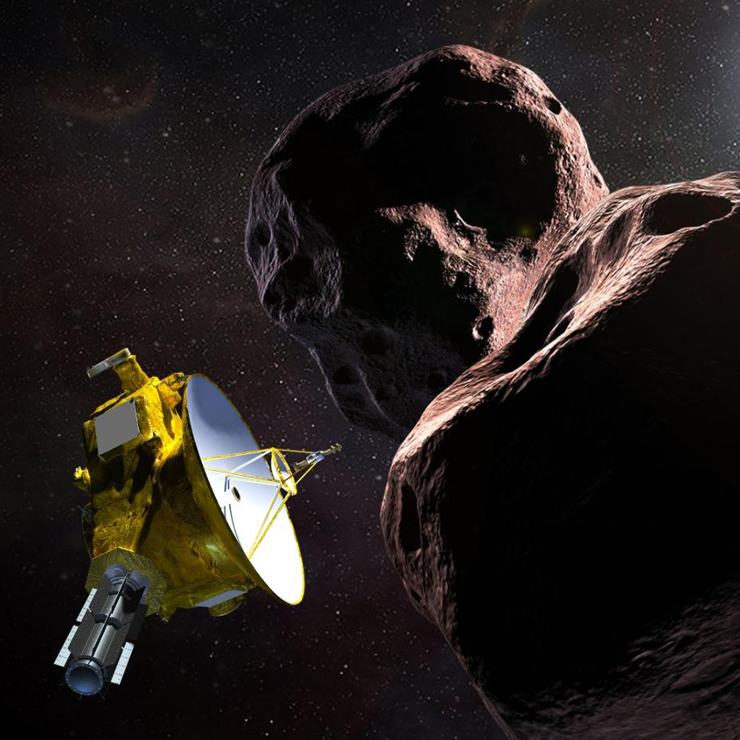
Two NASA space probes explore the outer reaches of the solar system, and beyond, sending back gigabytes of priceless data using nuclear energy.
We must preserve nuclear energy to protect the climate, says the Bloomberg editorial board.
Congress passed the Nuclear Energy Innovation and Modernization Act (NEIMA), introduced by Sen. John Barrasso (R-Wyo.). The Nuclear Energy Institute (NEI) issued the following statement.