
Newsroom Archive
Even in the face of a changing administration, nuclear remains strongly bipartisan, and folks across aisles and state borders are embracing nuclear. Let's break down this quarter's investments.
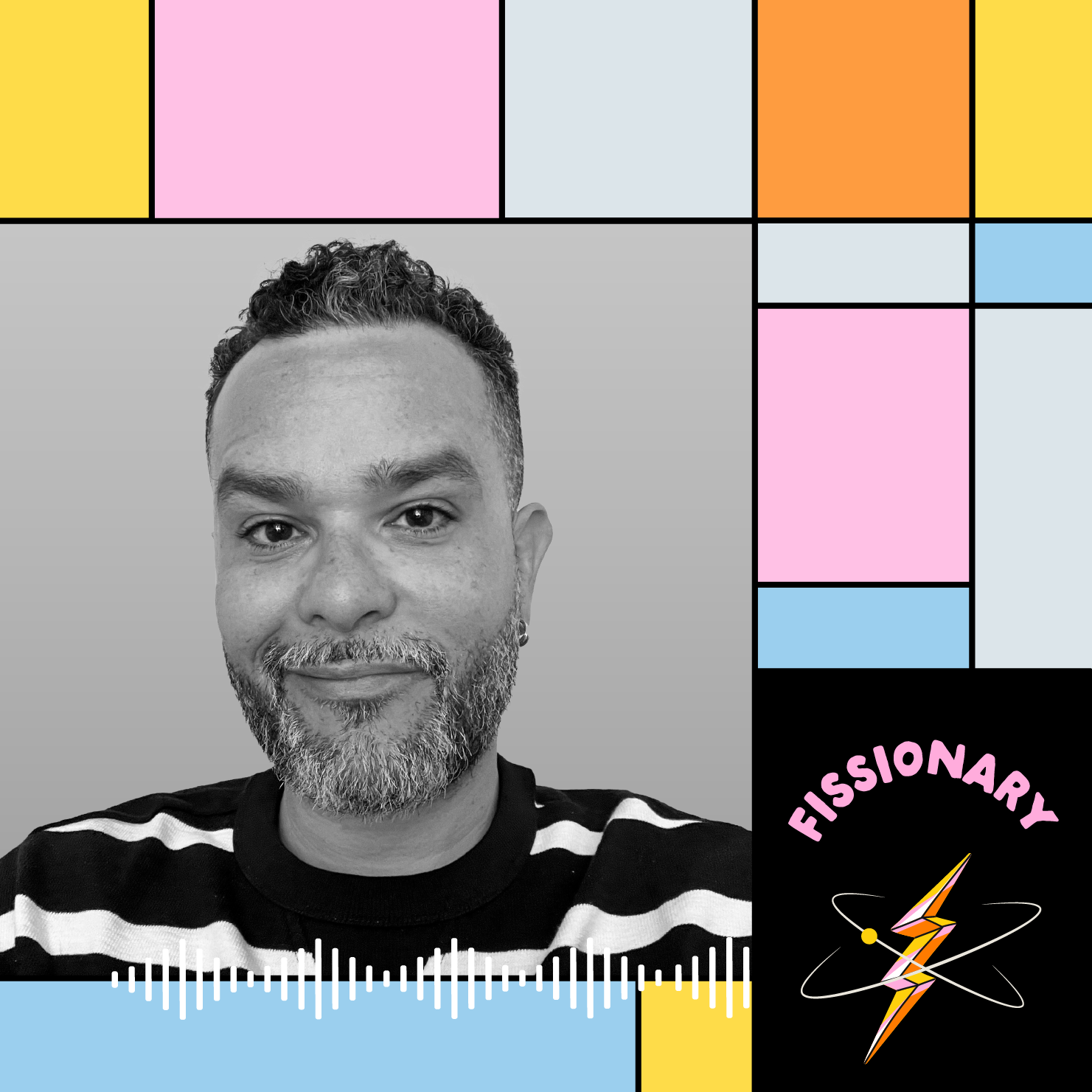
Mary and Jordan sit down with an artist and teacher who explores the atomic world through a creative lens, using art to challenge our views on nuclear power.
Gen Z is casting their vote with climate—and nuclear—in mind
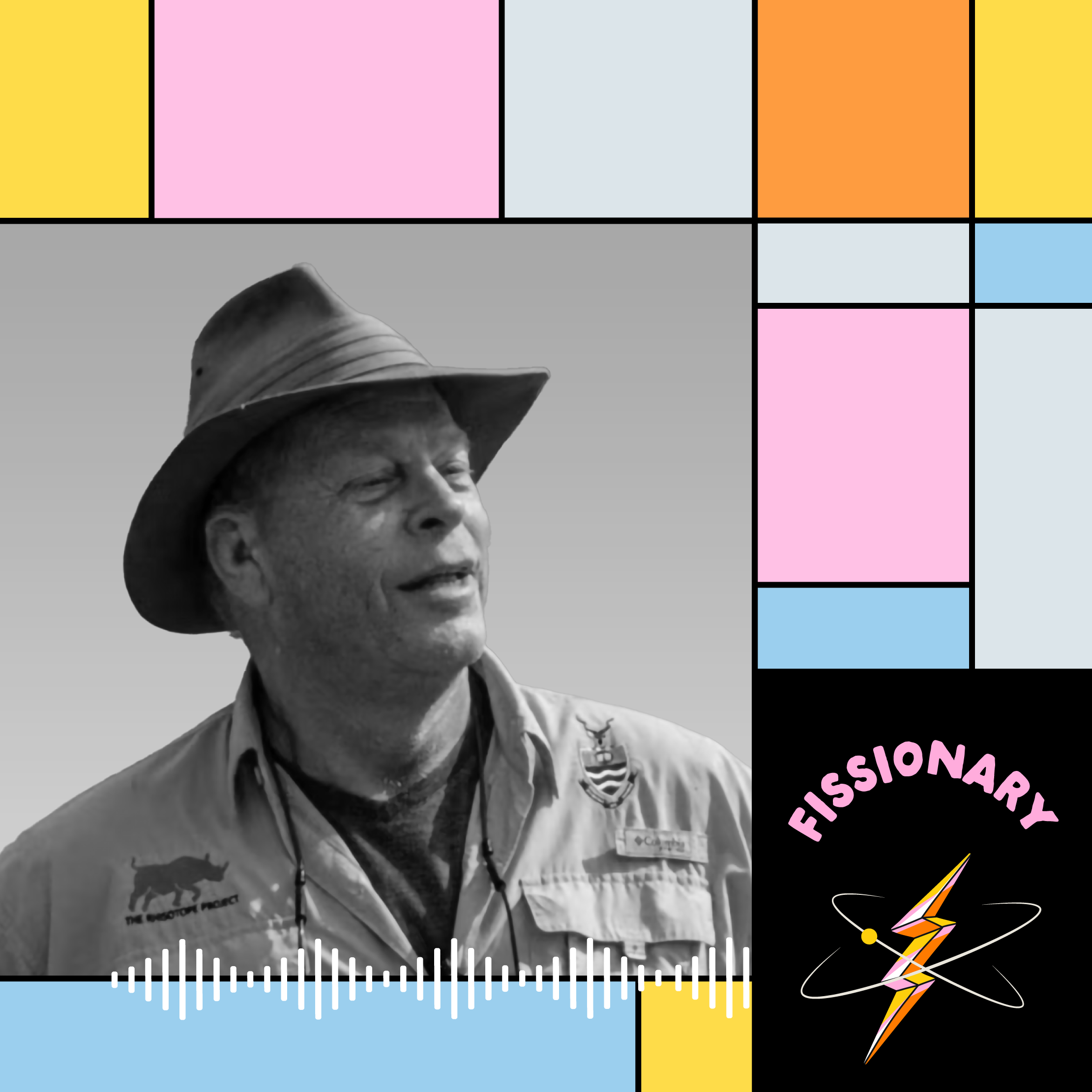
James Larkin joined Mary and Jordan to share how one conversation led him to develop an innovative method to fight against rhino poaching.
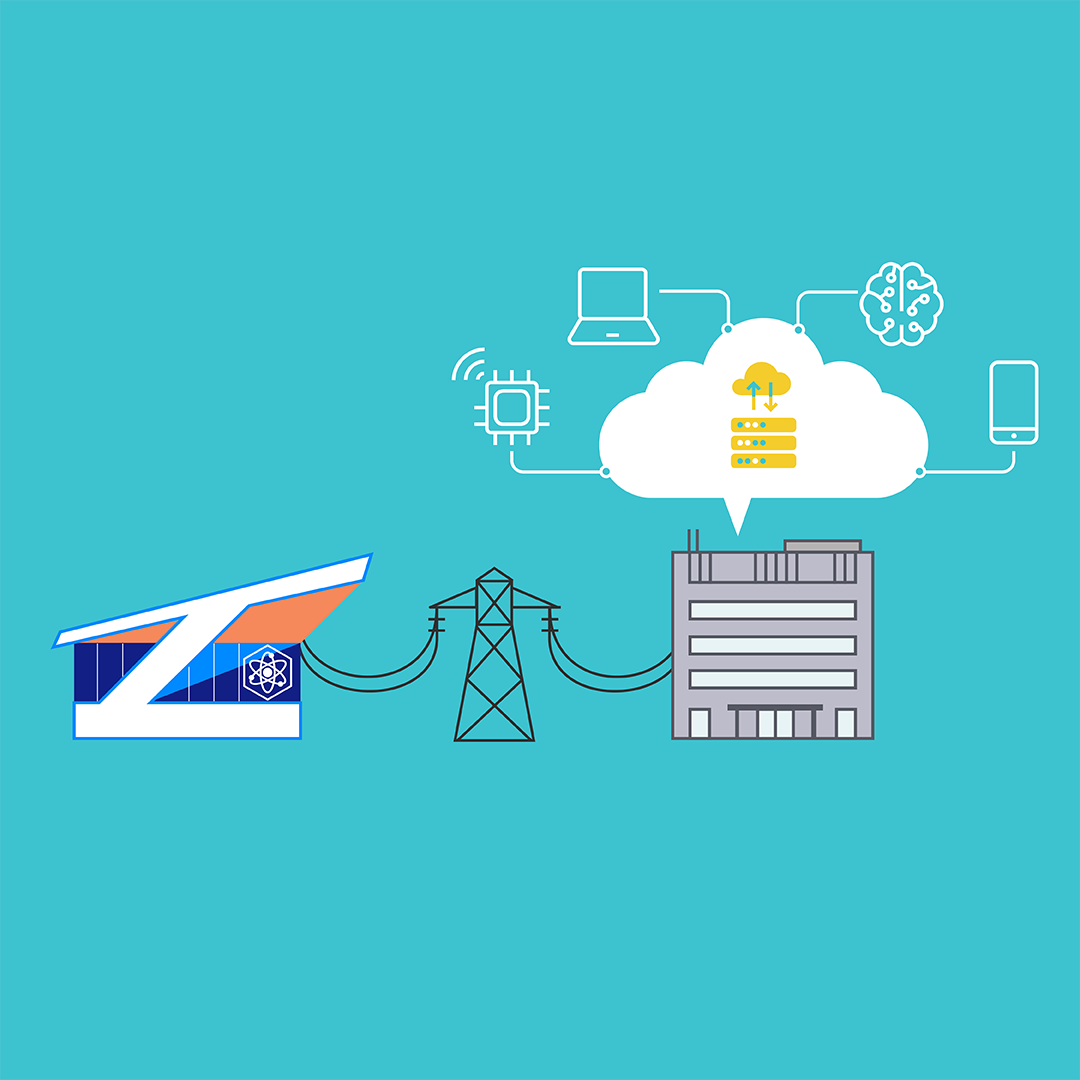
In the last month, major tech companies like Amazon, Alphabet, and Microsoft have all announced big investments into nuclear energy. This is huge.
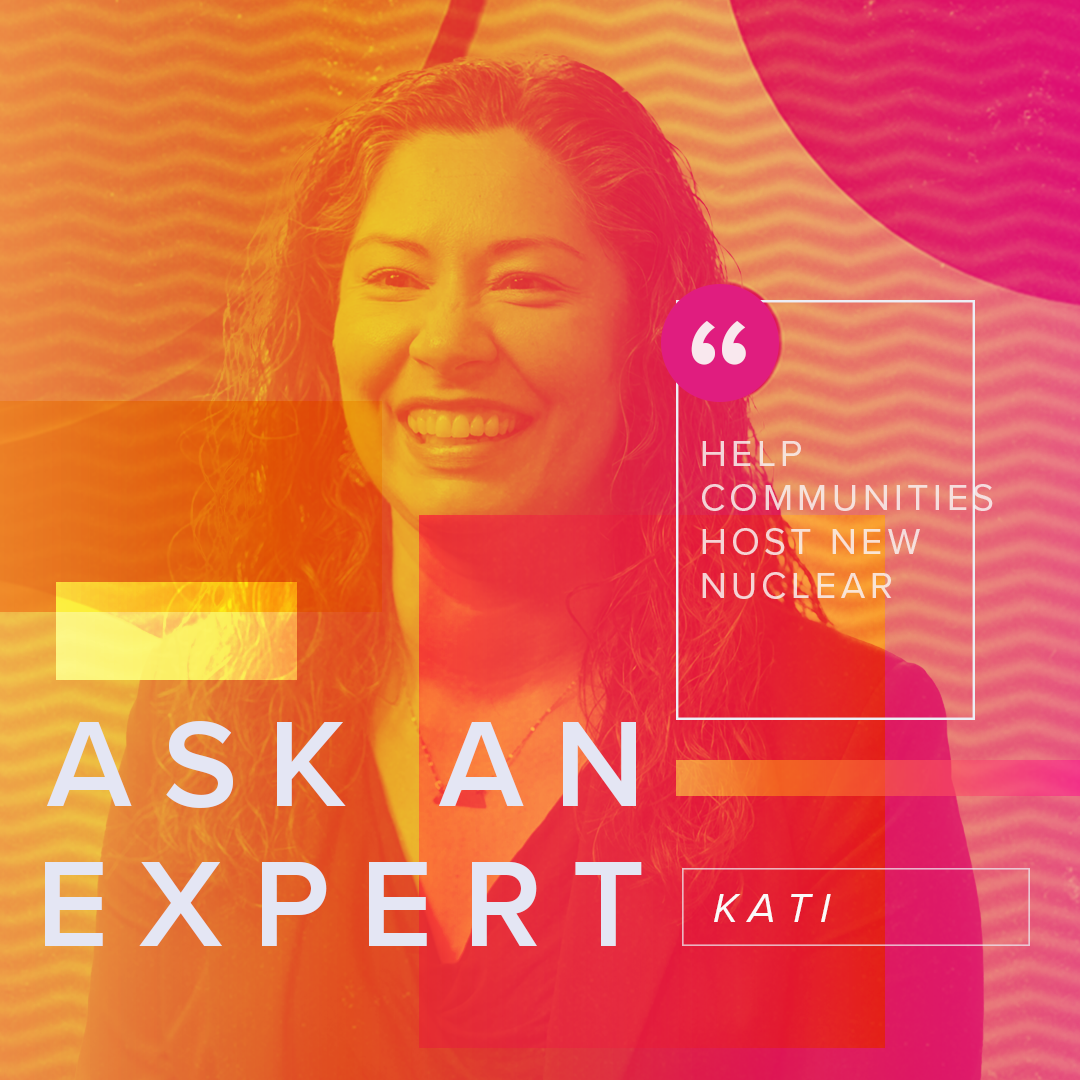
Want to learn more about the relationship between nuclear and the communities it serves? We’re asking the expert, NEI’s Senior Project Manager of New Nuclear, Kati Austgen.

In the Season 3 premiere, Jordan and Mary sit down with Cat Clifford of Cipher to discuss her extensive experience in climate reporting.

Read more about a recent trip from NEI's own Jordan Houghton, Director of Media Relations.
NEI's award-winning podcast is coming back once again! But before we dive into season three... are you all caught up on season two?

Want to learn more about what is going on with the nuclear workforce? We’re asking the expert, NEI’s Vice President of Human Resources and Finance & Chief Financial Officer, Erin Hultman.

Sustainable development has a lot of variables, and the math adds up: nuclear is doing, and will continue to do, a lot of good for the world’s people and environment.
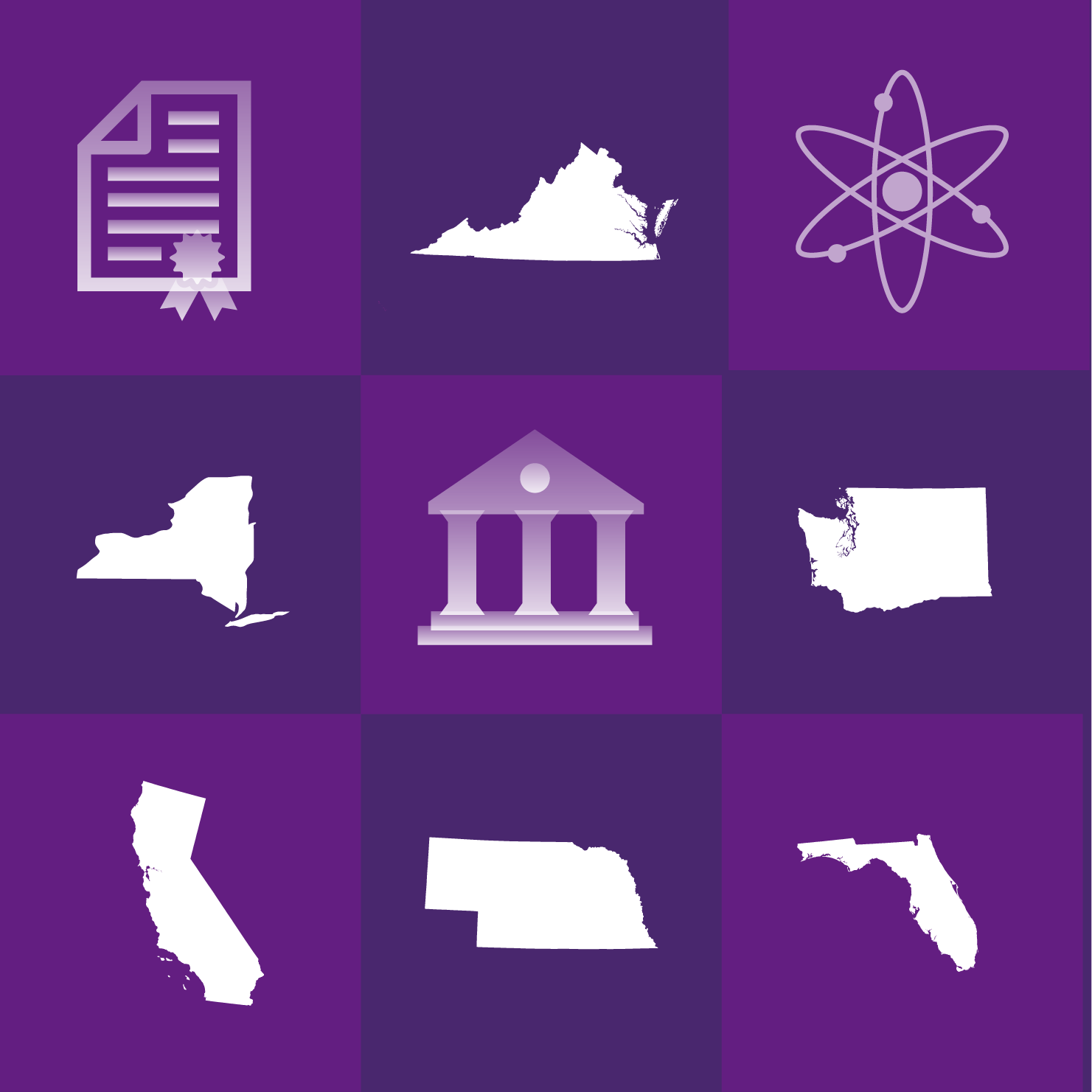
The states are at it again, passing new bills to incentivize and bring nuclear projects into their communities. We put together some headline developments from 2024.