
NASA scientists will explore the rocky, red terrain of Mars this week looking for signs of life—thanks to nuclear technology.
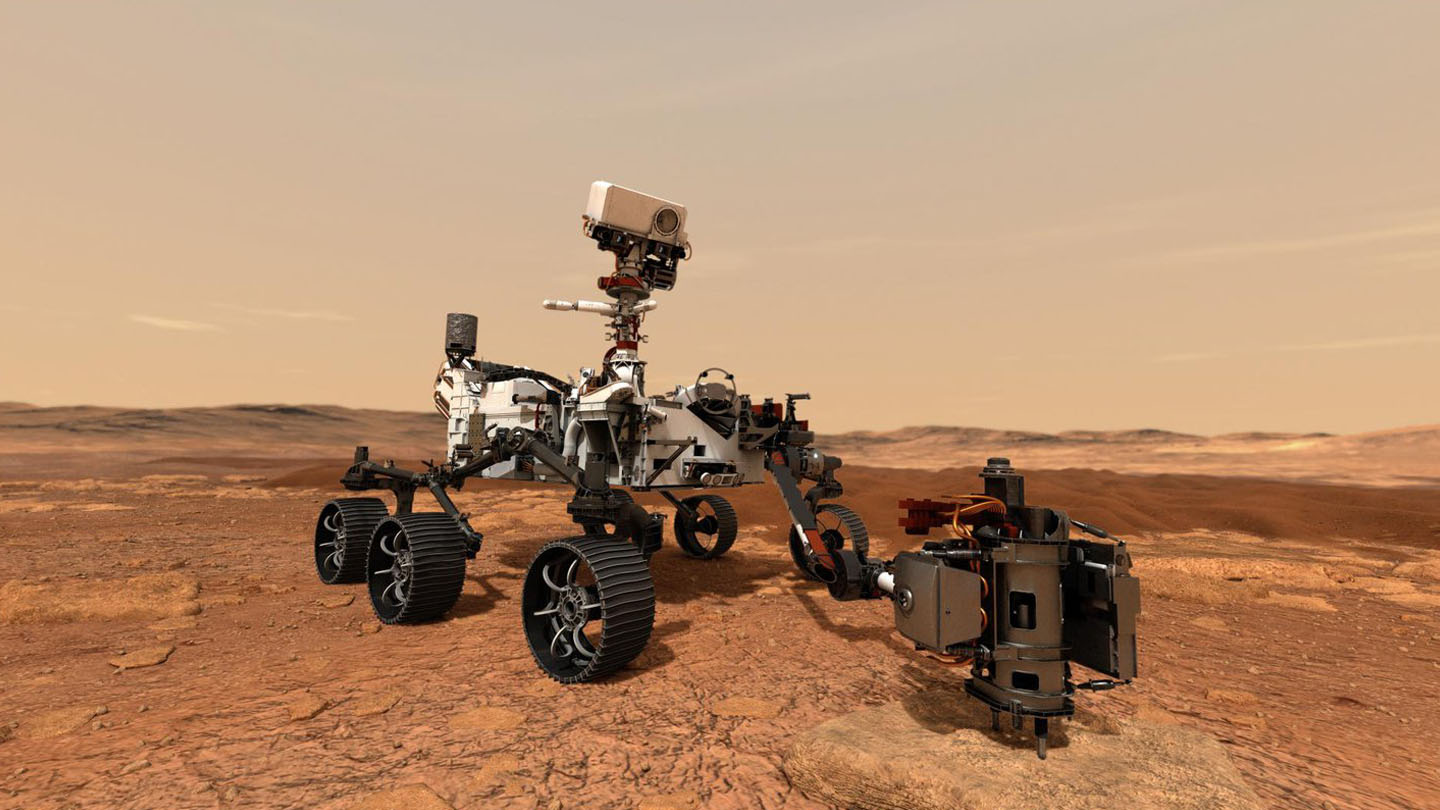
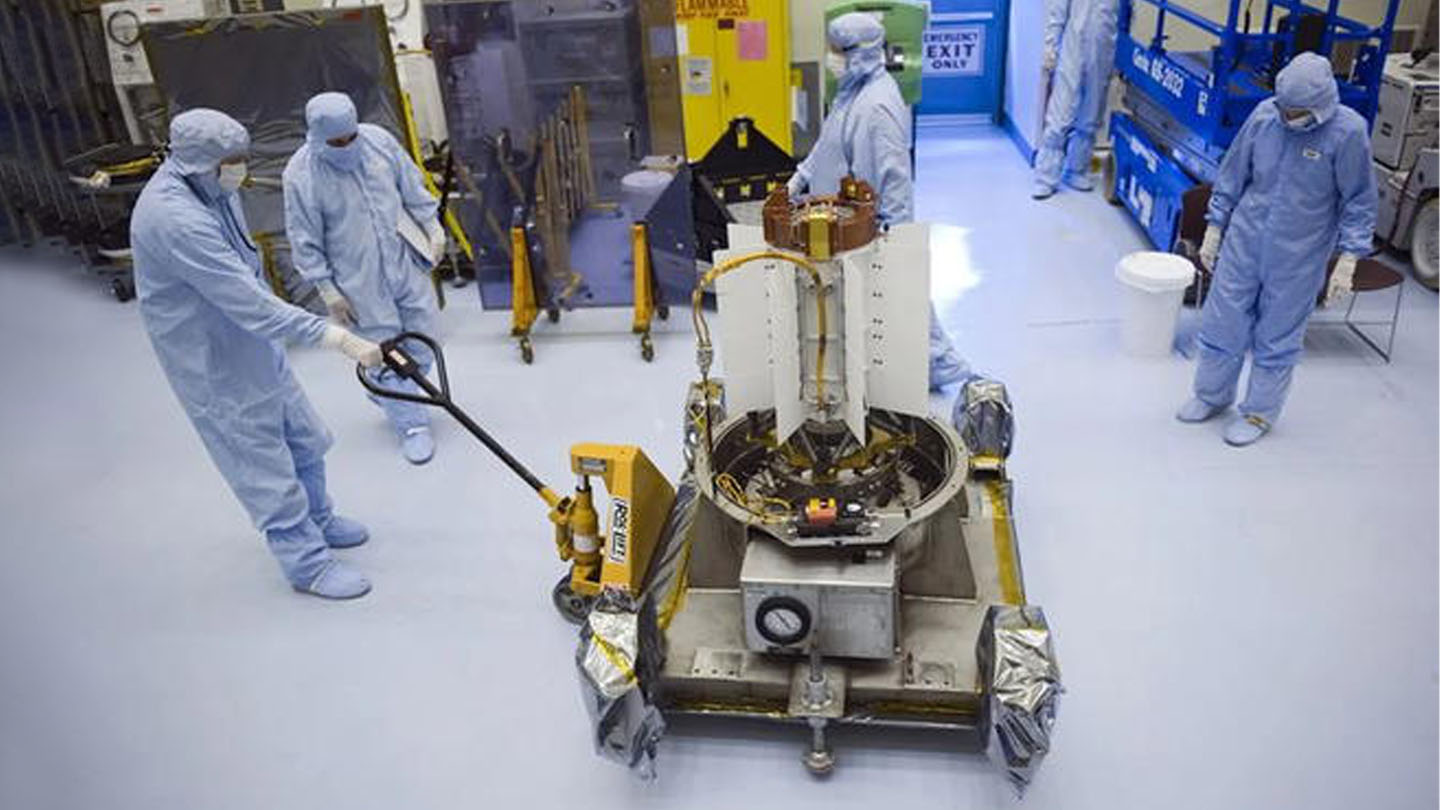
On Feb. 18, Perseverance, NASA’s newest, biggest and most ambitious rover, will land on the surface of Mars, where it will cruise around the Jezero Crater, experiment with extracting oxygen from the soil, launch a helicopter and dig for samples that will eventually be returned to Earth. Powering all this scientific discovery will be a radioisotope thermoelectric generator (RTG), essentially a nuclear battery, carrying 10.6 pounds of plutonium fuel.
You can follow NASA’s live coverage beginning at 2:15 p.m. EST this Thursday. NASA also imagined how the rover’s landing might look if they were able to capture it on camera—complete with parachute, retro rockets and a descent from cables.
The RTG will provide power for the rover for about 14 years. The rover needs the 110 watts from the nuclear power pack because it is the heaviest that NASA has ever landed on Mars at 2,260 pounds, about the same as a subcompact Chevy Spark.
Some previous rovers—like Curiosity, which landed in 2012—relied on solar power, but Perseverance will use a nuclear battery because at certain times of the Martian year (which is twice as long as an Earth year) there isn’t enough energy in the light from the sun. The rover will also need more power because NASA will conduct more kinds of experiments with electrically powered instruments.
Here on Earth, nuclear innovation powers our home and lives. On Feb. 18, it will continue pioneering space exploration too.
Photo and Video Credits: NASA/JPL-Caltech
.jpg?language=en-US)


