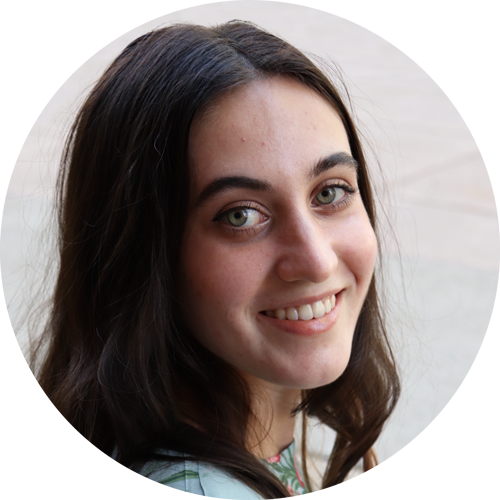
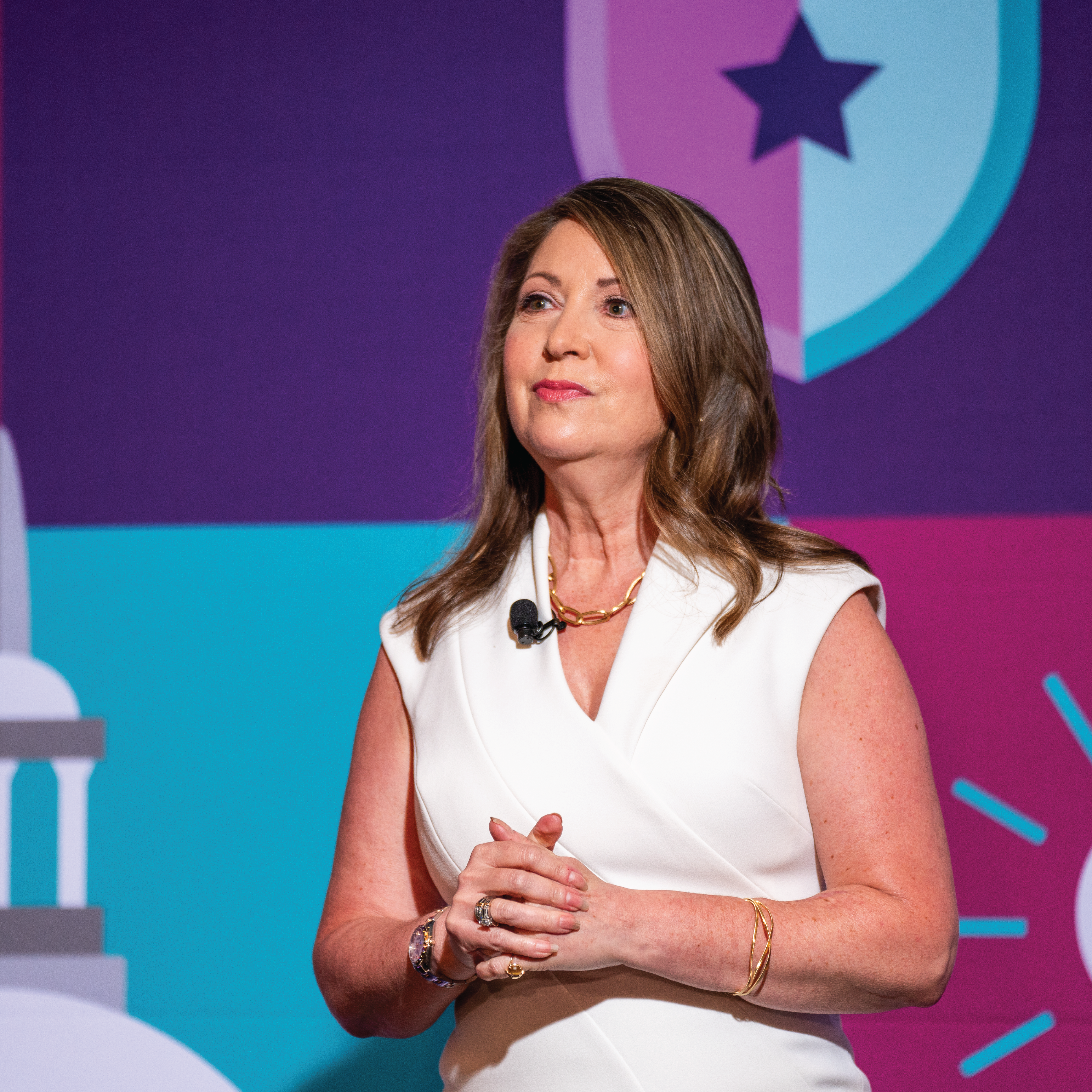
Since 1999, U.S. Women in Nuclear (WIN) has brought together women in the industry to develop their nuclear careers. This year’s conference in Pittsburgh, Pennsylvania, is a celebratory one—it’s WIN’s 25th anniversary! U.S. WIN 2024 will bring together attendees from all corners of the nuclear industry at every stage in their careers, from engineers to communicators to mechanics, for a week of educational programming, networking, and career development opportunities.
Read on for an interview with Marilyn Thompson Moore, chemistry supervisor at Tennessee Valley Authority’s (TVA) Browns Ferry plant (and WIN member!), on her nuclear career and the importance of mentorship, opportunity, and never giving up.
Can you describe what you do in your role?
I’m a chemistry supervisor. Some of the different things that we do is coach our individuals and our team on what they did well and things that they need to do better at, because what we want to make sure, or emphasize, is that they're remaining at that standard. Chemistry supervisors are pretty much the communicators from the technicians to the chemists to whoever they need to speak to. We schedule monthly tests and quarterly samples based on what's going on in the lab, and of course, what's going on in the plant. We look to see, basically, is anything out of trend, is something going on, because if we can see that in our data management system, we can see those trends. Then we can let operations, for example, know, hey, this is what's going on. And then we can provide that information to engineers and operations and such. The great thing is that we just do not support chemistry, we support cross-functional teams too. So, even though we're small, we're very beneficial in different groups. And mentoring, we do a lot of that.
What led you to get involved in nuclear energy?
I wanted to make sure whatever I did, to choose a career that I could make a difference and provide for my family at the same time, because it's kind of hard to work somewhere and you're not getting anything out of it. That's why I got into the nuclear energy industry. And I know it's something simple, but just to know that we provide power for the region, and not just that, but for the hospitals, and people that live at home, and their caregivers. We’re providing power to these people to maintain whatever needs to happen. Just to know that is very rewarding. One of the things that TVA does is, for our 90th anniversary, we had over 2,000 volunteers that were aiding in the community. One of the things we did was, we basically redid a whole playground and made it a lot safer for the smaller kids, and also helped volunteer in the food pantry, giving out food to different individuals. So, we don’t just care about providing power and making money, but we're also making a difference within the community. To me, that's a win-win, and I like that a lot.
What is it like to be a woman in the nuclear industry? Have you noticed any changes throughout your career?
I would say so. I've been here at TVA Browns Ferry for almost seven years, and within that time frame, I can say that being a woman in the nuclear industry has been filled with so many opportunities. And why I say that is, I like to listen to women that have been here 20-plus years, and they just tell me so many stories of their experiences when they first started here up to now, and I think about all the things that they have conquered and paved the way for me. I need to persevere and pass the baton for the people that are currently here and the people that are coming behind me. In just the time frame that I've been here in the supervisor role, we've had women in roles such as supervisors, senior reactor operators— which is one of the highest positions at TVA—shift managers, performance improvement managers, engineers, directors, trainers, maintenance directors, and so many more.
How can we get more women involved in nuclear energy?
So, I think it really starts at the elementary level, and then from there, recruiting high schoolers, really going to the school and introducing them to the nuclear field. I know we talk about how important it is to have science, technology, engineering and mathematics, but I don't think we really emphasize how we can apply it. Letting them know, yes, you can be an engineer, but just look into nuclear and just see, are there any interests that you want to do? For some things, you don't need a four-year degree. You think about maintenance, you think about home, chemical maintenance, instrumentation and electrical. I mean, they are so beneficial within the nuclear industry because they are the people that keep our plant running like it's supposed to, and they amaze me every day, especially in the machine shop. Browns Ferry is one of the oldest plants, so I'm just always amazed by them and just seeing what they can do.
So, just making sure that people from high school, two-year, four-year colleges—there are so many opportunities that they can look into. We volunteered at some colleges and there was one person that said, ‘well, I just have a physics degree.’ And I told them, ‘do you know how much you can do in physics?’ You can be in the engineering department, the chemistry department, operations, and just a lot of things that they did not know. And there was one young lady in psychology, and I said, ‘well, have you ever thought about working in employee concerns or HR?’ Because that side is needed, so to have that degree in that background is very beneficial. I think it's just making sure that we go out to the community and really express what opportunities are out there for them to apply to their major, and you could see that it just opened their minds to how many things they can do and make a difference at the same time. We're trying to really give that exposure to those students.
And join WIN! You meet so many different professional women and you get to learn about their backgrounds.
What advice would you give to young women in the early stages of their careers?
One of the things that I thought was very important as I got into the chemist role and later when I went into my current supervisor role is, first and foremost, learning your job description. But the second priority is finding a mentor to guide you through the process of some basic things that you need to know in your industry, because some things are written and some things are not written that you need to know. And also having a mentor where you do not mind receiving good things, but also constructive criticism, because that's gonna be valuable too. And I would say, what's been important to me is having a male and a female mentor. Having that male and female perspective is very important because they're going to see things that you're not gonna see yourself. I'm learning myself now to make sure that whoever you choose as mentors, that you're not just on the receiving end. And what I mean by that is, you can also help your mentor and say, well, hey, are there any volunteer plannings that you're doing that you want me to be a part of? Are there some meetings where you need someone to be there for you? Just basically asking that mentor, what are some things that I can do for you? So, you're not always on the receiving end. And I think when you do that, you gain a lot more respect from your mentor.
Lastly, because sometimes it is hard in any job, do not give up. You might have to pivot your understanding, but do not give up. And always remember, if you're having a bad day or anything like that, encourage others and help others. That helps me get through the day and say OK, I've made a difference even though it's hard. I've made some kind of difference today.