What do you get when a Ph.D of nuclear engineering, an influencer, and a policy researcher get on a stage together? A podcast about the past, present, and future of the nuclear energy industry.
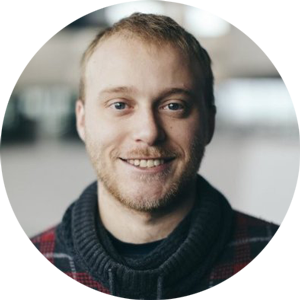
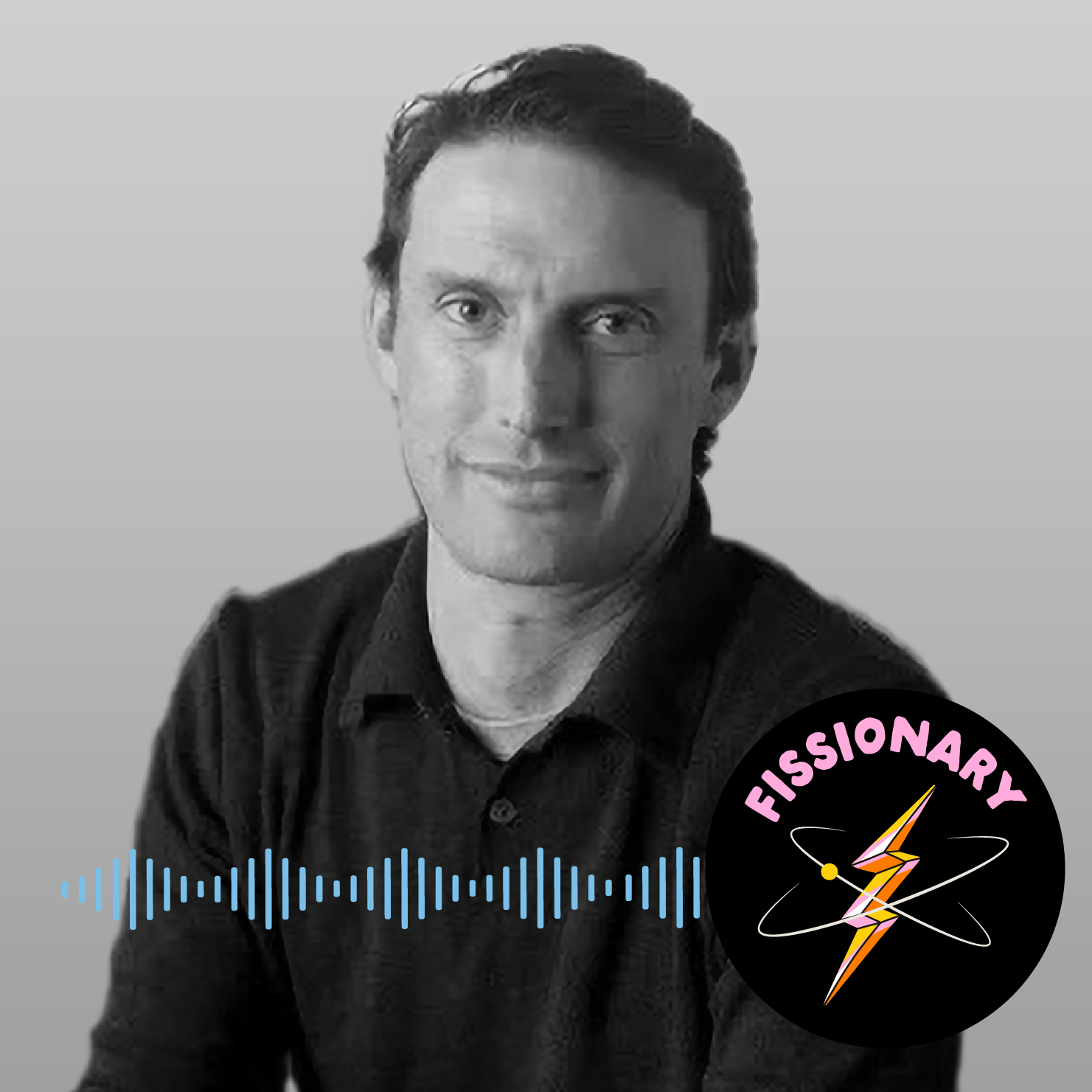
In this episode, Jordan and Mary are joined by Ryan Pickering, Kaylee Cunningham, and our first-ever return guest, Dr. J'Tia Hart!
The first topic of the show was the different audiences nuclear is trying to break into, with Ryan tackling it first.
I think our audiences are changing, and as this idea becomes more popular in the past, I have been very focused on LinkedIn. I perceive that nuclear is not seen as a business solution, and I'm trying to help business leaders draw a straight line to affordable, reliable, sustainable energy and success in business. And so, you know, catch me on LinkedIn.
Kaylee Cunningham, also known as Ms. Nuclear Energy, added that her target audience is the youths on TikTok. Dr. J’Tia Hart, on the other hand, said her audience is anyone who will listen (also how I describe my friends).
The panel then moves to talk about benefits of nuclear. Ryan Pickering talked about how he works with businesses to help them understand why nuclear would be good for them. Dr. Hart added some insight of her own about how to get businesses and people interested in working in and around nuclear—she says a lot of that has to do with how good the jobs are.
Reaching out to the chemists, and reaching out to the physicists, and the material scientists and the technicians, and all of these things and really kind of nurturing that relationship to have our aperture widened so that people understand, you know, there are great jobs. The jobs are not going anywhere in nuclear. We're safe, you know you’re going to have a career. It's going to be well-paid. We're going to be respected.
The panel couldn’t end, though, without talking about how we can get more young people involved in nuclear. Queue Ms. Nuclear Energy giving her thoughts:
I think we've started to notice a trend on social media, especially on TikTok, where people are talking about how they can't find a job anywhere. Meanwhile, I'm out here posting videos like, hey, I've never had an issue finding a job in the nuclear industry. We're always looking to hire because we have this massive goal in front of us and the funding behind it, and we can't accomplish it without new people, you know? So, posting videos about that is one of the most effective ways to reach those
Listen to the season finale to hear about all of that and more from our wide-ranging panel of experts!
Jordan Houghton And I'm Jordan Houghton. Let's jump in. Hello Fissionaries, hi Mary!
Mary Carpenter Hey, Jordan. How's it going?
Jordan Houghton It's going really well. I cannot believe we are at our season two finale.
Mary Carpenter I know, I feel like the season has flown by, but we covered a lot of ground.
Jordan Houghton We definitely have. Have you had any favorite moments from this season?
Mary Carpenter Okay, that's a really tough question because we talked about so many different things. We talked, you know, Doomberg, which was so fun. I mean, talking to a green chicken was different, but I loved it. Talked about data centers, nuclear medicine, I mean, talking to J’Tia, who was a Survivor contestant, was really cool too.
Jordan Houghton I agree, it's really hard. I loved Trudy talking about space, I love talking about space. Of course, we had Charles Oppenheimer, which was incredible to have that conversation. This has been a great, great season.
Mary Carpenter I know talking to Charles about how he worked on the movie and talking about how his grandfather was portrayed, kind of getting the inside scoop on that was really cool.
Jordan Houghton Yeah. So listeners, if you're not totally caught up on the season, highly recommend going and catching up every episode. And season two has been a must-listen.
Mary Carpenter Yeah, we even had a Fortnite mention, which I did not see coming!
Jordan Houghton Video games! Yes. So—that was so surprising.
Mary Carpenter I know, but very cool! I loved it.
Jordan Houghton So, wrapping up this season today with a incredibly special episode because we actually have three guests joining us. One of them is Doctor J’Tia Hart, who you heard from earlier this season, but we are thrilled to have her back with Kaylee Cunningham and Ryan Pickering.
Mary Carpenter Yeah, this is such a fun episode. We're actually all together at a conference recently and we had so much fun, we thought we should all get back together and put it on the podcast. So, it's a really great dynamic, we had so much fun, everyone has such different personalities, but everyone meshed so well. And yeah, I'm excited for you guys to hear.
Jordan Houghton We have an incredible panel of guests for our season finale episode. We were all together a little over a month ago in DC, and it was great to see you all in person. We're thrilled to have you here for this conversation today. I think rather than Mary or I doing the bio read, it'll be more interesting if we let you all introduce yourselves. So, Ryan, I'll turn it over to you first. Ryan Pickering, if you could tell us a little bit about your background.
Ryan Pickering Hi. My name is Ryan Pickering. I'm an energy policy researcher based in Berkeley, California. Long time anti-nuclear person, spent 15 years in the solar industry, and then I changed my mind about nuclear and I've been working on ways of balancing nuclear, renewables, and conventional energy ever since.
Kaylee Cunningham My name's Kaylee Cunningham. I just received my master’s degree in nuclear engineering from the Massachusetts Institute of Technology. And I am famously known as Ms. Nuclear Energy on TikTok. So, I make videos advocating for nuclear energy by really just explaining the technical sides that are typically perceived incorrectly or common misconceptions about nuclear.
J’Tia Hart I am Dr. J'Tia Hart. I am the division director at Idaho National Laboratory. I am excited to discuss all the topics that we have planned.
Mary Carpenter Let's jump into some questions! So, we know each of you do an incredible job of communicating about nuclear, and you're each reaching diverse groups of audiences. Who would you say your target audience is?
Ryan Pickering I think our audiences are changing, and as this idea becomes more popular. In the past, I have been very focused on LinkedIn. I perceive that nuclear is not seen as a business solution, and I'm trying to help business leaders draw a straight line to affordable, reliable, sustainable energy and success in business. And so, you know, catch me on LinkedIn. I try to—I do most of my work there. Now, this—this idea is growing so quickly and I am feeling that we need to reach more people. So, two weeks ago I got mad and I started a TikTok channel, and now I'm just—I'm just yelling at my screen about nuclear energy.
Kaylee Cunningham One of the kind of cool things about TikTok is you can go in and look at your viewer demographics, your follower demographics for individual videos and your page as a whole. And my followers for my page as a whole are predominantly between the ages of 18 and 30. So, I'm really, really targeting and looking at younger audiences, younger people, and trying to get them into the workforce.
Jordan Houghton And J’Tia, tell us about your audience.
J’Tia Hart So, funny enough, I always describe my audience as anybody who will listen. So, I have a broad, very wide audience. But if I had to drill down into it, I really like connecting with young adults. So, I did it in a little different way, a lot of it is through in-person outreach and community-focused outreach. I also have a YouTube series that I did, it's called STEM Queens, and it looks at, really, STEM education and focusing on black women, underrepresented groups. I do a lot of posting on LinkedIn and I do a lot on Instagram. So, Instagram, @jtiaphd, and on LinkedIn, under my name, J’Tia Hart.
Mary Carpenter A captive audience, I love it. Well, listeners, you all have someone new to follow, if you don't already follow all of our amazing guests today. Ryan, I want to go back to something you said when you were talking a bit about your work. You said you're working with businesses to try and convince them how important nuclear is. What—how are you doing that?
Ryan Pickering Well, working in renewables, I think one thing we did really well was selling the attributes of clean energy to the market. Even before the solar farm, the wind farm, came online. And I just didn't see that happening in nuclear at all, so my original thesis coming in was, let's make a more consumer-facing product that allows businesses to claim the clean energy credentials of future nuclear power plants. So, I'm working on that, with one of the national labs, and that is an entrepreneurial project. But I think more broadly, I'm working to end the—what some people are calling a stalemate between utilities and states and the federal government and businesses, like, why aren't we building nuclear right now? What's it going to take to tip the scales? And, you know, there's a lot of conversations happening right now. And I'm—I consult some companies that are trying to develop new nuclear projects and get all the decision makers to the table, and one of the ways we're doing that is aggregating businesses to say, ‘we'll buy the power from that plant. If you bring it online, we'll sign up for right now.’ And that gives a little more momentum to the project. And then just talking also broadly about the need for clean, firm energy to back up variable renewable energy. And the federal government has been very clear that we want 200GW of new nuclear by 2050, and that's a big number, and we've got to start wrapping our brain around it, and we need business leaders to be signing up and leading, that effort.
Jordan Houghton 200GW is a huge number that you just mentioned. J’Tia, how do businesses and industries and the government come together to help build the workforce to power that scaling?
J’Tia Hart So, I just want to kind of put it in context. If you're talking about 200GW of nuclear capacity coming online, a typical one reactor and the ones that we build in the U.S. are typically one gigawatt, so we're talking about 200 reactors coming online, which in, the last I think the two years we've had, what, 2 or 3? Come online? So, just to put that in context, that's a lot! And I want to say, really, human resources is at the crux of this. A lot of times, you know, like Ryan was saying, we don't get the, you know, the sexiness of the renewables or tech jobs or those sort of things, and I commend Ryan and Kaylee in everything that they're doing because we do need to, you know—for lack of a word, I'm an elder millennial—bring sexy back, you know, to nuclear. We need to let people know—and people, by people we talk about human resources—know that there are great careers that are to be had in the nuclear field. So, that's always my lead when I'm trying to do human resources and develop the pipeline is that this is, you know, a hidden little secret that people don't know about. And a lot of times, because it's such a niche kind of industry, we need to go out there and really connect with those people who have the skills and the backgrounds to come into nuclear, and not just, you know, go to the nuclear engineering schools. We already got their attention. But, you know, reaching out to the chemists, and reaching out to the physicists, and the material scientists, and the technicians, and all of these things and really kind of nurturing that relationship to have our aperture widened, so that people understand, you know, there's great jobs, the jobs are not going anywhere in nuclear. We're safe, you know, you’re going to have a career, it's going to be well paid, you’re going to be respected. And, you know, I just think we need to get that message out and be diligent, not just talk to the people we already talked to, but we need to open it up to groups that are typically underrepresented in the community, or are not all are always afforded those opportunities.
Mary Carpenter Kaylee, how do we get younger people interested in these careers that J’Tia’s talking about?
Kaylee Cunningham That is such a great question! And that's a question I don't necessarily have the answer to, but I can try my best here. You know, I think, first off, the important thing to note is with that 200 to 250GW we're trying to put on the grid by 2050, that comes a workforce, right? And the Department of Energy put out this report over the last year, basically saying that we need around 300,000 additional workers. Like, additional, in addition to the roughly 100,000 person workforce we already have in the industry. So, we need to basically triple, if not more than triple, the amount of people we have. And that's a really, really serious problem. If we actually want to see this project come to fruition and see this nuclear-powered electricity on the grid. And so, targeting young people is so, so important because younger people are the ones coming in looking for careers. You know, I think we've started to notice a trend on social media where, especially on TikTok, where people are talking about how they can't find a job anywhere. Meanwhile, I'm out here posting videos like, hey, I've never had an issue finding a job in the nuclear industry. We're always looking to hire because we have this massive goal in front of us and the funding behind it, and we can't accomplish it without new people, you know? So, posting videos about that are—is one of the most effective ways to reach those younger people that are fresh out of college or even fresh out of high school. You know, I think another thing that's important to communicate is the kind of jobs that we're looking for. You don't have to be a nuclear engineer—you don't have to be an engineer at all! Our industry needs policymakers, our industry needs publicists and PR people, our industry needs social media teams, you know, jobs ranging all over, even finance, business, you name it. One of the most essential things besides getting the information out there, that we're looking for not just technical people, is communicating in a way that's entertaining. I have found in my experience on TikTok that one of the most difficult things is holding a young person's attention right now. You know what? I feel like TikTok itself is terrible for that because you're scrolling through 10-second, 1- second videos and you know, you get bored, you can just scroll to a new one. And so making videos that are cheap and goofy and entertaining but also informative is so, so, so useful.
Mary Carpenter Yeah. So, what are the issues that young people care about? Is it do they like nuclear because it's clean and they're concerned about the climate crisis? Is it national security? Is it the jobs?
Kaylee Cunningham One of the big things is, my generation has grown up with a term we call climate anxiety, like, we have known since the day that we were born that our planet is dying. It's on its way out. Global warming is going to kill us all, that's, like, the running joke. And so, to kind of cope with that or deal with that, a lot of us are looking for careers that are meaningful and impactful and fulfilling, and being able to address that kind of anxiety that all of us have is a really important thing. But, you know, benefits and, like, being paid well and working remote helps.
Mary Carpenter I'm absolutely sure it does! Ryan, J’Tia, what—how about the people you guys talk to? What are their big, kind of, selling points for nuclear?
J’Tia Hart I think that one of the things I see is fission. So, here I now and I work largely in the government or government contracting space is that nuclear intersects with the—you know, we're saving the world here, you know, whether it's global warming and climate change and trying to combat that by having non-carbon-emitting energy, or if it's on the other side, and in the area I work with, really trying to make the world a safer place by making sure that nuclear technology is used for peaceful purposes like medicine and agricultural and power, and not weapons.
Ryan Pickering Agreed. And just to add to that, you know, I think the world is moving really fast. And I think on a deeper level, like young people are concerned about climate, they're concerned about environmental justice, they're concerned about social justice, and nuclear has yet to step into that narrative again, and I have just been so fascinated to learn about the original Atoms for Peace in the 1950s, where it was like, hey, we can move away from nuclear weapons by spreading abundant nuclear energy around the world, and solving energy poverty so that we have nothing to fight about. And I think this is a tremendously deep, vibe-proof idea, and I'm excited that young people get to hear this remixed version that we're putting out there again. And I hope that it can serve as an antidote to nihilism and isolation that a lot of young people and adults are feeling right now, like, hey, we can't fix the future, the best is behind us. We have to find some optimism, and I think Atoms for Peace really taps into that. It was a good idea 70 years ago, and I hope it can continue to pick up steam today.
Kaylee Cunningham See, but I think there is kind of a caveat to that. And, it's that—how do we communicate to—how do we reteach or bring Atoms for Peace back to life? You know, and that's where I think the social media advocacy and the work that the three of us are doing is so crucial because without it, how are we going to reach these young people to give them the hope and the optimism to push forward to an Atoms for Peace-based future? You know, it's a great idea, but unfortunately, we have politically struggled to find leadership that can, you know, stand firmly on that and advocate for Atoms for Peace. So, you know, unfortunately, we don't have President Eisenhower to do that for us, so that's where it becomes our job to kind of step in and advocate.
Ryan Pickering Cunningham for President!
Kaylee Cunningham I—maybe one day!
Mary Carpenter We'll make some stickers! We'll get it going now. Build the momentum.
J’Tia Hart I'm here for it. I think it's very interesting though. I love this conversation with presidential planning and all these things, so I—I really think it is very much so up to the future and, you know, the young people coming up and you can just see it in our conversation. Like, you know, we are brainstorming, we are trying to solve the problem. So, I really think it's a generational shift, when, you know, transitioning, you know, right now we are being run by baby boomers, you know, in the country. Nothing wrong—shoutout to the baby boomers, my parents! But, you know, as we shift to younger and younger generations, I think you can see, just, their perceptions and the vibes changing about what's important in their lives. And I think that is going to make a difference in the policy and the actions that we see going forward, and I think that's going to include, getting on the nuclear bandwagon and actually making it happen.
Jordan Houghton J’Tia, we have a lot of big hopes and dreams when we talk a lot about 2050 in terms of clean energy goals. Can you paint a picture of where you hope we’ll be by then?
J’Tia Hart Sure. And it's 2024, so, in 2050, which I'll have finished my stint on President Cunningham's, you know, as one of her—and ushered in a whole, you know, nuclear renaissance that, you know, we've been promised for a while, and we want it, you know, and it's time. It's the reckoning. So, I see in 2050, we have the time to do it. We definitely have the time to meet. Is it an ambitious goal yet? Can we do it? We sure can. I mean, I hate to say ‘Merica, but, you know, we are the US. We've done—we've done things. Okay? This is not new for us. We know about shifting technology and deploying technology in times of need. So, I think, you know, this is our moonshot. We can do it. We put somebody on the moon, you know, we have developed nuclear systems that can go underway for months at a time, you know, with hundreds of people that live there. I think this is something that we can do, but we do need to come together. So, in 2050, I see us having 275GW. I think that we've seen, you know, that climate change is real, right? We've seen everything happen. So, I think there's going to be a huge change. I think it's going to—it's coming. I see it coming, you know, around the corner in the next 5 to 10 years where we start—we've already seen it with the lengthening of our reactors’ lifetime. You know, it used to be 40 and then it shut down and then went to 60. And now it's really unlimited. It's what you can prove and how you can actually show that the reactor can operate. So, I see that coming online, I see taking some of our facilities that are dedicated to fossil fuels and either co-locating or converting them to reactor sites. So instead of having a specific power generation site like coal, oil, we have a power generation site. So, we have that infrastructure so we can put down those reactors to connect to the grid. I also see us having, you know, big gigawatt reactors and also having advanced reactors. Portable reactors. We've done it before. We've done it on a large scale. The Navy has portable reactors. We’ve put a reactor on a barge and taken it down to the Panama Canal when we needed power down there. So, we can do it. I mean, we have the time. I think I'm going to say this, this might be controversial, but I think, you know, we are doing a lot of selling a product. And what we need to do is sell ourselves on the idea of nuclear and convert.
Mary Carpenter I want to get Ryan and Kaylee's thoughts on 2050, but before we go there, I want to ask—so we're talking about like these benefits of nuclear and influencers. Are enough people talking about nuclear in the first place? Like, are they even thinking about us?
Kaylee Cunningham Yeah, they’re—we're not. We're just not. I have—so, I come from a, very traditional middle class, working class background. My dad's a roofer. My mom raised me and my siblings and then worked as a receptionist part time, and I do not come from the nuclear industry or the nuclear community, I never heard about it until I was in high school. That's only because I was fortunate enough to transfer into a high school with engineering classes that taught me about the different disciplines of engineering, and that includes nuclear. So, I think there's so many different things we need to be doing. First off, social media advocacy is great. It helps. But beyond that, I think taking a step to talk about it in the classroom for, not high schoolers, but even younger, going down to elementary school and talking about these clean sources of energy would be so, so useful.
Ryan Pickering I agree. Someone's getting to these kids though, because the kids—the kids like nuclear. And I don't know where it comes from. I think they just didn't inherit some of the nuclear fear from the past, and they're just down. I mean, that—I think if you polled young Americans, the highest demographic for pro-nuclear would be like under 15.
Kaylee Cunningham I think there's a reason for that. I don't mean to cut you off, but I—you know, one of the things I have spoken on, or a subject that I've spoken on, is when it comes to communicating to these younger generations, we have to keep in mind the way that we were raised. It's just so crazy the way that the world has changed over the last decade or two, that when we're talking about communication between all these different generations, that's something we have to take note of. When it's 2050, maybe I'm President, maybe I'm not, but I really hope that I am in a position—I'll be 50. So, I hope I'm raising kids and—maybe grandchildren, probably kids—that are reading about climate anxiety and history books. But never had to experience that growing up.
Ryan Pickering My feeling on 2050 is that we're going to have a lot of momentum. And one thing about the Pathways to Commercial Liftoff report about advanced nuclear that was released by the Department of Energy last year, it says like, yeah, 200GW by 2050. And wait until you see how much nuclear we build from 2015 to 2060, because we're all geared up. And that's when we'll be, like, really phasing down fossil fuels for electricity and for other sources of energy. So, that's exciting to me. It's like it's not like we're done at 2050, like, that's when it starts, like our careers will be done, and then we're going to say, ‘go get ‘em, kids!’ And I think there's great optimism in that. And I expect that in 2050, and far sooner, maybe—maybe tomorrow, nuclear energy will become the coolest energy source. You know, there's something really compelling about it. And because it works all the time, because it has such a small mining impact, because it employs people so gainfully, because it has such a small land footprint, like there's all these amazing things that are really aligned with modern ethics. And I'm excited for young people to continue to be punk rock about this and rebel against their parents and embrace nuclear energy.
Jordan Houghton Ryan, what changed your mind about nuclear? Because there are still some minds to change, and I'm curious what changed yours.
Ryan Pickering I was sitting right here and I was reading the newspaper, and it said that we were closing Diablo Canyon 40 years early, and congratulations, everyone. And it just—that sparked something in me, and it just didn't make sense to me where we would close anything that early, especially knowing that natural gas powers over 50%25 of our state, it’s an electricity source, and we have very, very expensive electricity in California. So, it was like—I wasn't expecting it. It just kind of happened. And then I started clicking around on the internet, and I found that there was this ragtag bunch of people trying to save Diablo. And even the name was so compelling. And so, I drove down to San Luis Obispo and met some of these people, and then we ended up planning a rally. And in December 2021, we, like, threw this ‘Save Diablo’ rally. And it was—it wasn't just me being a keyboard warrior. It was like I was integrated into this community of advocates that were so like, well spoken, you know, like nuclear nerds, you had, like, social justice people, and it was really disparate with like a lot of different values, and it just it was the perfect time in my life to get into something new. And since then, I've just continued to poke at my own biases and kind of examine why I feel things about nuclear, and I'm having a lot of empathy for myself and others because like, really, we just don't know. And it's a little bit complicated. It's certainly—we're able to understand nuclear. I think we can all, like, maybe talk a little bit more simply about these things, but energy in general is very challenging. And then it also intersects with environmentalism, energy security, the cost of living, so all of these things are coming together. And I know that my experience is just one of—I think everyone's kind of having this energy realism epiphany, and I'm doing my best to, like, show empathy to that instead of being like, you weren't—you were anti-nuclear, so you can't be on the team. It's like, no, this this team's for everybody. Like, come on in. We're all learning and growing together and we're going to need your help.
Mary Carpenter Ryan, you guys had some big names at those Diablo rallies, didn't you?
Ryan Pickering Yeah, I mean, we didn't know it at the time because we were all just a bunch of, like, nuclear people. But, yeah, you know, grateful to Isabelle Boemeke, who really kind of, like, thought up the whole thing and had all these, like, props and made it—made it ‘wow’. You know, made it something that, like, the press could make a story about. And it was the largest pro-nuclear rally in American history, some say, which is funny because it was only a couple hundred people, but that that was really cool. And then, you know, another big breakthrough was we met with the local Native American tribe in the area who, their land is, you know, beneath Diablo Canyon, and they came to the rally, too. And so, we didn't know it at the time, but we started building power with all this—these community members, and we also had elected leaders speak. And at that rally, it was all women who spoke on the microphone. And I thought that was really cool. And they just—all the speakers really folded in, you know, in a beautiful way. And I thought it created some kind of new consensus. So, it's amazing how quickly this narrative has changed with just, you know, a few dozen people working on it.
Mary Carpenter It seems like such a good case study for the importance of community support. You know, people trust your neighbor, people trust people you know, and it seems like you guys did a really good job creating that consensus that saved a power plant. So, we've talked a lot about the positives. I want to hear from you guys about some misconceptions you guys have come across as you guys have been talking to people about nuclear. What's a myth you've heard, and how have you busted it?
J’Tia Hart I remember back in 2011 when Fukushima happened, and I remember my mom calling me up and asking if, you know, the fog or, you know, the radiation was going to come over in a, you know, misty cloud or something like that in the atmosphere and kill us all. And here's my mom, at the time, I had been working in nuclear engineering—which is why, you know, call me—and studying and it was just interesting to me that that was what her mind with you. But I can tell you that I know my mom, I told my mom, and I'm sure she told everybody she talked to, you know, with great authority about that, but it just goes to show how, you know, those personal connections, kind of influence.
Kaylee Cunningham I get a lot on TikTok about the pollution that spews out the top of a nuclear power plant. It's not pollution. It's just water vapor. They're cooling towers, so it's just steam. It's not, you know, smog or smoke or anything like that. And—I've gotten that one quite a bit.
Ryan Pickering Yeah, there's so many. I love this game, too, because I felt all of these things, you know, in the past. My interest is around the nuclear fuel cycle. There's just a lot of feelings that we've done things wrong, and we're polluting the earth forever, and it's taken me some time to understand what it looks like. And, you know, certainly nuclear fuel after it's been used is well understood and not as big of a challenge as a lot of people think that nuclear waste is. I do think that the federal government needs to continue to work hard to consolidate and think about recycling this waste and really, like, close the fuel cycle in a way. But I have found one issue that is real, and it's these abandoned uranium mines on Native American land. And those—until we do—until we remediate those mines, which we do have a plan for, it's challenging to get Native Americans and environmentalists and on board because we're trying to move forward without handling the past. So, I'm really pushing the NRC and other leaders to make sure that we clean up these abandoned uranium mines so they can—we can move forward with confidence because, you know, we—this is a trust building exercise. You know, nuclear is hard because it requires public trust and lots of people working together for a long period of time. And so, I think we will be rewarded greatly by paying attention to some of those issues of the past and finding restorative justice on it.
Jordan Houghton A lot of new voices in the industry, a lot of established voices in the industry. Certainly, the three of you are among them. Who do you all follow, and who do you think are the best resources for getting great, up-to-date information about the industry for people who want to learn more and follow more people?
J’Tia Hart So, I certainly, I have a bias because I—you know, I'm a member of the American Nuclear Society, I get their nuclear digest, NEI also has great products that they put out. And also, I look at all of the news releases from the national laboratories, because for me, that's research and development, and really stay on top of the societies. And because of course, I like the tech side of things, looking at budgets, unfortunately, because I feel like that's where it really comes down to, where you can see where the priorities are and that sort of thing. So, I really go to trade organizations like ANS, NEI, professional societies, and then looking at what the governments put out. I know at COP was that—all the statements from all the world leaders at COP was great, because if they thought it was interesting enough to say it on the world stage, then there has to be something to that.
Kaylee Cunningham I mean, I love the ANS resources as well. The Nuclear Smart Brief I've been subscribed to since forever, and it gives great bullet points about what's going on. But beyond that, I think ClearPath and Third Way are both think tank companies in—based out of the DC area that represent both sides of the political aisle that like to put out research papers, policy statements, that kind of thing about, you know, the way the public interacts with nuclear, the way policymakers interact with nuclear. So those are two great resources.
Ryan Pickering To add to that list, I love the podcasts in the space. You know, we've got Fissionary, we got Fire2Fission—the couple titans of nuclear, nuclear barbarians. I would say beyond that, you know, I really like this blog by Jack Devanney called The Gordian Knot. It's very wonky, yet it talks about regulations, and insurance, and construction, and what do the prices really have to be? Like, vibes are good, but how do we build nuclear for an incredibly low cost so that it can outcompete traditional fuels?
Kaylee Cunningham And I have one more that I forgot. So, I'll plug for the Nuclear Engineering Student Delegation, or nesd.org. That is how I first came in contact and heard about NEI, ClearPath, Third Way, all of these DC based organizations related to nuclear energy policy. And, this student delegation, I was a part of it for three years. They put out a policy statement. Like, they actually write a policy statement about relevant nuclear legislation and publish it on their website, nesd.org, each year. If you're a student and you're listening and you want to apply, please do applications open typically around April, and it's a great program to get involved if you don't know anything about nuclear or you know everything about nuclear, and you want to make some change from the political side.
Mary Carpenter So, we've been ending the episodes this season by asking our guests what their favorite place to eat is. But, since J’Tia’s already done that for us and we have this great panel, we want to take it a step further and ask you all a different question. So, who from the nuclear industry, or really just kind of, like, clean energy world, living or dead, would you want to have dinner with, and why?
Kaylee Cunningham I would probably want to sit down and have dinner with President Eisenhower. You know, we were talking about the Atoms for Peace speech earlier, and I think it was just so impactful on the overall public opinion of nuclear energy at the time, especially in an era plagued by nuclear weapons. And I feel like as we are potentially inching closer to a similar situation today when it comes to the political stage and political conflicts internationally, I think that being able to get a little bit of advice on how he was able to deliver that speech so eloquently and get that message out there would be excellent.
J’Tia Hart This to me is a definite. I'd like to go into the future and talk to those people in 2050 about how they got it going. Like, what influenced you? You know, going to the future, I always say, I feel like the person will get it done, and a lot of the instrumental people, will be women because, you know, when it's time to make move, the ladies are there, right? I'd like to talk to the people who made it happen. And, you know, ask them what was the turning point? What drew you to this industry? All these burning questions that, you know, are open-ended, I'd like to discuss with them.
Ryan Pickering Wow, this is an impossible question, really, but I would definitely eat at my local pizzeria, Cheese Board Cooperative. You know, sourdough base, no tomato sauce, proprietary cheese blend, only one type of pizza per day on rotation, always vegetarian. And I would host anyone here. You know, if I had to pick a person, I would say Marcel Buteau, who was the architect of the French nuclear buildout in the 70s and 80s. He was just, like, he was a hardworking dude. And I would love to pick his brain about the conditions it took to build it. But really, like I'm living in the present. I'm interested in talking with anyone who wants to mash pizza with me and drive down the cost of nuclear energy.
Mary Carpenter I love that. Well, on that note, Cunningham 2050, get the stickers printed! Thanks everyone for joining us, this was so much fun.
Kaylee Cunningham Thanks for having us!
J’Tia Hart Thank you!
Ryan Pickering Thank you, everyone.
Jordan Houghton Thank you to everybody for listening and joining us for another season of Fissionary. I also would love to give a shout out and thank you to our producers behind the scenes. You get to hear from Mary and I every week, but we have an incredible team behind us that includes Kayley Deaton, Alyssa Gill, and Mary Love from NEI, and the entire Quill Podcasting team. So, thank you so much for making these episodes come to life and putting in all of the work for each of them. We'd also love to hear from you, our listeners, who you would like to hear on Fissionary next season. So, get in touch on social media or email us, we'd love to hear your suggestions.
Mary Carpenter Yeah, don't forget to follow us on socials, and subscribe on Apple, Spotify, or wherever you listen to know when season three releases. Have a great rest of your summer, and we'll be in your feed soon!
That’s it for season two, Fissionaries. Make sure to follow NEI’s social media channels to know when season three drops!
Sign up for updates and new episodes: