A lot of people watch college football for the football. It makes sense, I suppose. But I watch it for the nuclear energy advocates. Does that make any sense to you? If it does, you probably saw the “I Heart Nuclear” signs at College GameDay last year. College GameDay has had some iconic signs over the years, and this is right up there with the best of them.
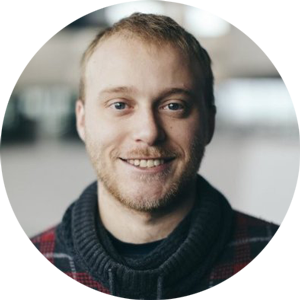
Gabriel Ivory, one of the creative forces behind the "I Heart Nuclear" sign at College GameDay, joins us for the season finale of Fissionary to talk about how a bold move turned into a nationwide campaign. Gabriel shares the story behind the sign, the strategy that helped it go viral, and how he’s using his platform to change the conversation around nuclear energy. It’s not just about advocacy; it’s also about making nuclear relatable, creative, and fun for a new generation of activists. Tune in to hear how one sign sparked a movement and how the next wave of nuclear advocates are pushing boundaries and taking risks to build a cleaner, more sustainable future.
I felt like I wanted to put something about nuclear up there. So, and I wanted to, you know, show it to the world a place that nuclear had not been talked about, like a lot of people, you know, had not seen a nuclear sign there. So, that was something was a long time in the making and wanted to just get the word about nuclear out there.
Gabriel has long been a huge advocate for nuclear, and huge fan of college football. So the gears started turning. One problem facing the nuclear energy industry is public awareness. The average person, who maybe watches college football but probably doesn’t think about energy issues, might not know how important nuclear is to the future of the country (and planet).
How do we get people that have never heard of nuclear or don't have an opinion on nuclear? How do we get nuclear in conversations with them? How do we get it in front of their eyes? And so, you know, I know that millions of people watch College GameDay every weekend, and that was something that was essentially brought to me, it was kind of a perfect storm.
For Gabriel, thinking about energy has always been a part of his life. He grew up in a household that always cared about the environment, the climate, and the future of the planet. While he was always aware of the importance of things like wind and solar energy, it wasn’t until college that he found out about nuclear.
It was actually a conversation that I had with one of my professors my freshman year, where I was telling her about my career goals and how I wanted to be a project developer or engineer for an energy company that specializes in some of these renewable technologies. … She was, like, well, actually, I think nuclear is a better solution. And so, I did a little bit of my own research into that, and I definitely, you know, came away with the same opinion as her.
To keep moving the industry forward, we’re going to need to reach different audiences. We can’t rely on folks who are already in the weeds of energy policy—we have to make sure we’re getting the word out at football games, concerts, you name it.
Mary Carpenter This is Fissionary, a show exploring how nuclear powers your world. I'm Mary Carpenter.
Jordan Houghton And I'm Jordan Houghton. Let's jump in. Hi everybody, welcome back to Fissionary. Hey Mary.
Mary Carpenter Hey Jordan, how's it going?
Jordan Houghton It's going really well, and I cannot believe we are at our season four finale.
Mary Carpenter I know, the season went by so fast. But we had such a variety of guests. I mean, we went to Mars and now we're going to one of my favorite places, the college football field.
Jordan Houghton Yeah, if you're a football fan, today's episode is definitely for you. Today, we're taking a look at one of nuclear's more viral moments from the last year, the “I Heart Nuclear” sign that popped up on ESPN's College GameDay last season. And what started as one student's bold move created a ripple effect, with similar signs showing up at campuses across the country, including at Michigan, South Carolina, and my alma mater, Mizzou. Mary, did you get a chance to see it live, or how did you find out about it?
Mary Carpenter Yeah, I did. My husband and I actually watch GameDay every Saturday morning. We're big college football fans. So, I was just watching it like any other morning, and I saw the sign and I was so pumped! It was so exciting to see it.
Jordan Houghton Absolutely wild. I didn't see it live, but I saw it on social media pretty quickly after it happened because I'm too online, as the kids say. But today we're actually talking to the student who made that first sign, Gabriel Ivory. He's a recent graduate of Texas A&M and we are really excited to have a conversation about what gave him the idea to do that and how he feels about it turning viral and showing up everywhere.
Mary Carpenter Yeah, it really was everywhere. It was brilliant that they did it in the first place, and then they took it to the next level, and put it all over social media, and he talks about how many impressions they got, super impressive. Such a good idea. I love the creativity. I love bringing in all the students. I mean, it's such a great way to reach younger folks and get them interested in nuclear. It's brilliant.
Jordan Houghton Love it.
Mary Carpenter Today's guest is Gabriel Ivory, former engineering student and recent graduate from Texas A&M. He's also the vice president of NARO, the Nuclear Advocacy Resource Organization and passionate voice for nuclear's role in our energy future. He's part of a wave of next-gen advocates bringing nuclear to unexpected places, from ESPN's College GameDay to state legislatures. His mission: make nuclear real, relatable and radically accessible. Welcome Gabriel, thanks for joining us.
Gabriel Ivory Yeah, of course. Thank you all so much for having me.
Mary Carpenter I'm a big fan of your work, I watch College GameDay every Saturday morning. I'm a Georgia grad—
Gabriel Ivory Nice.
Mary Carpenter So, it's a religion. And I was so pumped to see the nuclear sign at GameDay, so we knew we had to get you on from that second. So, tell us about where that idea came from and how you guys did it.
Gabriel Ivory Yeah, for sure. I mean, that was something that was a long time coming. And I had always seen, you know, one of the best parts about College GameDay is the signs. And I’ve always seen those and a lot of them are always talking about, you know, what's going on with the game and football in general. And, I felt like I wanted to put something about nuclear up there. So, and I wanted to, you know, show it to the world a place that nuclear had not been talked about, like a lot of people, you know, had not seen a nuclear sign there. So, that was something was a long time in the making and wanted to just get the word about nuclear out there.
Jordan Houghton Was that something you came up with on your own or was there like a group of students or a larger effort behind it?
Gabriel Ivory It was part of, like, a bigger campaign with NARO, with our nonprofit, but it was a collaboration between me and my girlfriend and my sister to actually make the sign and to get up in the morning.
Mary Carpenter I love it. Was A&M the first school? I can't remember.
Gabriel Ivory Yes, we were the first school. So, it was the second—it was the first, like, regular season week, there was like a “Week Zero” technically, and—in Ireland the week before, but it was the first regular season week of college football. And our school is the first to host College GameDay that season. And so yeah, I was really lucky that it came to our backyard first.
Jordan Houghton So you've got a pretty unique perspective, I want to back up for just a minute, and we'll get more into the sign in a minute. But your dad works in oil and gas, you studied renewables, and now you're all in on nuclear. Walk us through that evolution. What clicked for you?
Gabriel Ivory Yeah, absolutely. Conversations around energy has been something that I've had with my father and the rest of my family, like, since I was really young. And obviously with his work, I felt like I was an engineer at heart, you know, because of him. And so, we would have those conversations and think about sustainability initiatives because he's originally from Maine and my mom's originally from Louisiana, so we're all very in tune with nature and we care a lot about the climate and all that. So, those two kind of issues came together for sure. And so, the conversations that we were having in high school and earlier, we just talked a lot about trends in the energy industry. And I was really interested in solar and wind. And it was actually a conversation that I had with one of my professors my freshman year, where I was telling her about my career goals and how I wanted to be, like, a project developer or an engineer for an energy company that specializes in some of these renewable technologies. And she felt like nuclear was a better alternative, and—you know, and she was, like, well, actually, I think nuclear is a better solution. And so, I did a little bit of my own research into that, and I definitely, you know, came away with the same opinion as her. So, really glad that I actually even had that conversation. But that's definitely what clicked for me, like, once I had, you know, my beliefs about environment and I had that engineering background, and I think nuclear—nuclear engineering was just the perfect landing spot for me with all of that in mind.
Mary Carpenter So, while at A&M you co-founded the Nuclear Advocacy Resource Organization. Can you tell our listeners who haven't heard of the organization a little bit more about it, who's involved, and what the goal is?
Gabriel Ivory Yeah, for sure. So, we're made up of a board of directors, which is me and Veronica, the other co-founder. And we have a board of five people who are all former—well, three of us are former students of A&M, and two are current students. And then we also have a wide member network across the country of pretty much mostly nuclear engineering students, but we also have some policy—some people with some policy background, and others, of course, like we're definitely open to anybody that's interested in nuclear. But yeah, that's kind of how we're made up. We're a national nonprofit based in Texas, we've filed in Texas, and we're a 501(c)(4), which means that we're allowed to have a little bit more political involvement. So, that was some of the rationale. Yeah, it's made up of mostly people our age and even younger just really concerned with the environment and climate change and who know that nuclear is a really good solution for that. So, that is the common ground that we all share.
Jordan Houghton You said NARO led this campaign that came up with the idea for the sign.
Gabriel Ivory Yes.
Jordan Houghton How did that come to be? Were you just brainstorming and what other pieces were a part of this campaign?
Gabriel Ivory Yeah, so a lot of the conversations that I had early on with the founder, Veronica Annala, she, you know, had this vision for, at the time, a student organization focused on nuclear advocacy. Obviously now it's a nonprofit, but at the time, it was a student org and she wanted to re-market nuclear and one of those conversations that we had was just like, how do we get people that have never heard of nuclear or don't have an opinion on nuclear? How do we get nuclear in conversations with them? How do we get it in front of their eyes? And so, you know, I know that millions of people watch College GameDay every weekend, and that was something that was essentially brought to me, it was kind of a perfect storm. But yeah, it kind of all was happening at the same time, like the conversations about the sign and also NARO. So, I would say the idea of NARO came before the sign, but it was, you know, it was definitely a collaborative effort.
Mary Carpenter I'm so curious how you coordinated with students at other schools and how did you keep it going week to week? Because I saw multiple “I Love Nuclear” signs.
Gabriel Ivory Luckily, you know, they announce where they're going like a week in advance, so you have time. And so, the day after I held up my sign, I was talking with some professors and some other people and they were like, Oh, well, you know, this really ought to go to some other schools. Obviously, this is something that continues, and so, for the first week after ours, it went to Michigan. And so, I reached out to the president of their ANS chapter, Joseph Croteau, and I just said, hey, you guys have to do this. Like somebody needs to figure it out. So, one of y'all has to do it. And he was just like, all right, we're on it. So, that's how Michigan did it. And then the week after I reached out—I don't remember if it was Alabama or somewhere else—but I reached and they were like, oh, we got it under cover, like, we were already planning on doing that! So, after that, it was self-sustaining, if you will.
Jordan Houghton When did you realize that your sign had gone viral? And what was that moment like?
Gabriel Ivory It's pretty crazy. So, the morning—the morning o,f right, like I woke up so early in the morning. Like, four in the morning got to the actual site of GameDay at five. And I just had a couple of conversations with people nearby, and they're just like asking me, like—the people immediately around me asking me, oh, why the heck are you bringing a sign that talks about nuclear to a College GameDay for, like, what's the point of that? And so, I remember, like, texting people after and saying, oh, well I had some really good conversations with a few people. And so, we were just excited about that, like, just excited to have people right there notice it. But it was probably a few hours later in the day, where I saw what was happening on Twitter and LinkedIn and the actual, like, virality of it. And I just remember seeing so many Facebook comments and DOE posts and Miss America, Grace Stanke, reposted it and it was just like, I don't know, I thought all of that was definitely really crazy at the time.
Mary Carpenter Did you guys keep track of your social media stats?
Gabriel Ivory Yes.
Mary Carpenter I'm so curious to what the reach was of this.
Gabriel Ivory Yeah, it—so, for my own personal social media posts, that went from, like, I don't know. I maybe have—I maybe at the time would have a couple hundred post views over the course of a few months, but it got up to 40,000 post impressions, like, in the next three days, essentially. So that was pretty cool.
Jordan Houghton It was so interesting to me, and I have to shout out to Mizzou because I am a former Tiger, but their head coach got interviewed on GameDay, whenever GameDay got to their game in the season, I don't remember which week it was. But he actually took the time in the interview to mention that they have one of the largest medical nuclear research reactors in the country on their campus, so it actually went from, starting with your sign, to being part of the conversation. I'm curious, did you see that? What did you think when you heard him actually talk about it in the interview?
Gabriel Ivory No, I didn't know about that, that's pretty crazy. But yeah, I know Missouri—it’s funny because—so, we played Missouri one of those weeks and we had, like, SEC GameDay show up and we have a few signs for that as well. And I just remember making a poster, and it's like, making fun of Missouri, I didn't even know they had like one of the best medical research reactors, but I was just like, oh, like they don't they don't like nuclear the way we like it! And then literally, some former Missouri students replied and were like, no, our reactor is better than yours. And I'm like, okay, I know—the one reactor.
Mary Carpenter Well, competition!
Gabriel Ivory Yeah, exactly.
Mary Carpenter What do you think the response is to the signs, the virality—hat do you think that says about nuclear and how it's being perceived right now, especially with youth audiences?
Gabriel Ivory I think that obviously our generation is really involved in social media. And so, that's the easiest way to reach someone at my age. I think stuff like this is important, but not specifically, you know, the sign or whatnot, but just like an actual presence for nuclear on social media, like, the pros will talk for themselves. Like, the pros of nuclear can speak for themselves, but just having it mentioned. I mean, the fact that the Missouri head coach took time to say that, you know, in a place where the person interviewing him probably did not care about that. But just the fact they even said it is definitely important, I think.
Jordan Houghton Do you think we're going to see more of this this season? You think it's going to carry over?
Gabriel Ivory Oh, yeah. Oh, for sure. I don't know who has GameDay first, I don't know where it's going to be every week, but I'm going to be doing my best to reach out to people. And I know there are some other people out there that are going to help me out and say, hey, this isn't something that's going to be dead in the water after one season, we're going to keep this going. However long it needs to go.
Mary Carpenter That's awesome. I really hope I see more signs this season. So exciting. I need to get one at Georgia.
Jordan Houghton This is the moment. You've got to help make it happen for this season.
Mary Carpenter I know. I'd be so proud to see it there!
Jordan Houghton Gabriel, I want to talk a little bit more about NARO's work. You've been vocal about lifting state moratoriums on nuclear. How are you approaching that effort and where are you seeing the most traction?
Gabriel Ivory Yeah. In terms of these moratoriums, there's definitely a few states that have a culture that is open, I think, to lifting the moratorium. Obviously, it's happened in a couple of states already, but just building on that precedent of those states that previously had moratoriums and then lifting them would just be really beneficial because the way that the legislature is written is so important, like, that—that is something that you have to do so much research on just to figure out, okay, what is the bill history? What would it look like to overturn that, if you will. And so that's been something that has been really fruitful for us to look into, into research and just learning a lot for ourselves, but also like, how are we gonna—what is our position in this? What is our role in overturning those moratoriums?
Mary Carpenter So, we've had the chance to speak with some other young advocates in this space, like Kaylee Cunningham, Grace Stanke, who you mentioned earlier, Charly Frisk. You're part of this wave of Gen Z advocates making noise in a space that's historically been pretty quiet. What do you think is fueling this generational shift towards nuclear?
Gabriel Ivory I think it's all of them, I think there's a lot of other things as well. I there's a lot of interest not only at the—so, I would say from the perspective of our generation, you know, something that's really important is climate change. That's been in our face for so long, and that's been something that we have been taught and have realized is a very important issue. And so, we are not opposed to any real solutions that could help us to navigate that. So, nuclear is one of those solutions. Obviously, I think it's the best one. And there's a little less apprehension towards it, because we didn't grow up with the nuclear arms movement being so prevalent. Like, for people our age and younger, it's not the same conversation that's had around it. And so, there's little bit of, like you mentioned earlier, influencers just making nuclear part of the public conversation and making it casual, but then there's also a lot of interest from companies. I think that brand recognition is really important. I think companies like Amazon, Microsoft, a lot of these tech companies that have put their foot down, put their money where their mouth is, and have started to invest in nuclear. I think people see that, and they're like, oh, well, if this company is interested in that, and they've been very successful, and they obviously have done really well, then, you know, they're not dummies, like they have people out there that are making good decisions for them, so. And I think they want to see that continue. And if it can work together, that's really important.
Jordan Houghton So you mentioned tech companies, and we've heard you talk about nuclear's potential to address everything from poverty to powering AI infrastructure, which is what the tech companies are looking at using nuclear for. So, I'm curious, what does that big picture vision look like for you, where nuclear fits in?
Gabriel Ivory I think that the most important issue facing us today is, like, energy reliability. And I think, that obviously, nuclear is the most reliable source of power, and so, the more nuclear is on the grid, the better. So first and foremost, that's the big picture issue that I think we're looking at. And yeah, I would say that it can solve multiple issues at a time. So, you know, it can provide reliable energy for people and it can also provide reliable and clean energy for these massive power consumption-heavy, very thirsty data centers, if you will. And so, nuclear can wear a lot of hats in that space for sure.
Mary Carpenter So nuclear advocacy often gets tripped up by fear or outdated narratives like The Simpsons. In your view, what are the biggest challenges in reaching younger people and moving them to become more nuclear-curious or more interested in the industry?
Gabriel Ivory I think just getting them to realize why they should care, right? Because there are so many, I think, like, I was saying earlier, and what I'm going to expand on is nuclear has obviously a lot of its pros. And I think that we know that, and we talk about that to each other a lot. But getting people who previously had no opinion of or no say in nuclear, right, and not realizing how directly it affects them, just getting those people to understand why it matters to them specifically, I think is really important. So, challenge wise, I think that is just, you know, changing how you speak about it, depending on who you're talking to, right? Like, a lot of people—obviously as a generation, you know we have a common ground, but everybody is obviously very different. And so, talking to people about things that they care about and having your message look like something that they would want to listen to.
Jordan Houghton I'm really curious, Gabriel, when you're talking to people—your peers, other people in your age group—do you have to start the conversation with talking about why they should care about climate change or energy security or AI data demand? Like, do you have start there and explain that? Or when you're opening conversations, do you find that your peers are already educated on that and you can get right into nuclear or do you have to start even bigger picture?
Gabriel Ivory Yeah, it's more convincing them to let me talk their ear off about nuclear more. But yeah, I think they are—they are definitely educated in what is important now, and the climate change and energy security, I think they understand that and then they understand the benefits of nuclear. I think it's just bridging that gap is what the conversation is.
Mary Carpenter What do you think's working well to convince younger people to become interested in nuclear? Is it the influencers, is there any specific campaigns you've seen? Obviously, GameDay was a success, but what else?
Gabriel Ivory I really like Nuclear for Australia, Will Shackel. It takes like very easily digestible content forms on social media and just takes it into the nuclear space, right? And so, for me, that's really been successful for not just nuclear, but for, like, a lot of other issues, right? And so, taking that same strategy, but applying it for our purposes, if you will, I think has been really successful.
Jordan Houghton So you just graduated. And congratulations, that's a huge accomplishment and milestone for you. What are you excited for next?
Gabriel Ivory I'm really excited. So, I start working for Constellation in August, working on the restart of the Three Mile Island Unit One for the Crane Clean Energy Center. I'm really excited for that project and just learning a lot and being a young engineer in the nuclear energy industry and just getting to be a part of the industry that I've, like, talked about for so long and looked at as the future for not only me but for rest of my generation, and, you know, I've thought about that for so long. So, getting to be a part of that is really exciting for me. And getting to have a different perspective that will help me in some of my advocacy efforts, right? Like, to have better conversations with people because I know a little bit more. I actually work for some of these companies, I see what it looks like on a day-to-day basis. I'm definitely excited for that, not only for my own personal growth, but, like, just to make NARO better to help my generation
Mary Carpenter That's so cool, congratulations!
Gabriel Ivory Yeah, thank you very much.
Mary Carpenter So what's next for NARO?
Gabriel Ivory So for NARO, we have a very bold vision and strategy for what we want to do. I mean, we essentially see ourselves as like a gap filler for all of nuclear advocacy. You know, we don't really pigeonhole ourselves into one thing, like, we want make sure that we're hitting everything, like—so what that's looked like is, you know, policy engagement or grassroots activism, like, it can kind of be anything. And so, we definitely have a lot planned, but we just want to make sure that we're doing things that are important for nuclear advocacy, like—we just want to be, like, efficient with it, and I'm not saying anyone isn't, but I just want make sure we continue with that very simple but very aggressive strategy of getting nuclear to those who previously don't have an opinion or even have a negative opinion, but, like, hitting on those fronts for sure.
Jordan Houghton So, what gives you the most hope for the future of nuclear advocacy?
Gabriel Ivory I think just the fact that there's so many people, like, talking about it, and I know that that's obviously a function of the circles that I'm in, but I mean, I even have people, they're studying finance at A&M, or they're studying finance pretty much anywhere. And they reach out to me and they say, hey, I want to learn more about nuclear. Because that is something that is being talked about right now more than pretty much ever and companies that they recognize are investing in it. Companies that they want to work for, right? So, there's a personal incentive for them. But I think just the fact that it has so much sway and influence in the financial world as well, not only the energy industry.
Mary Carpenter So, if there's a college student listening to this and they want to get involved in the College GameDay sign organization, what do they do? How do they get involved?
Gabriel Ivory I definitely recommend, you know, taking initiative if there's something that you're really passionate about, you know, personally, and not letting someone stop you from doing it or passing any doubt over you. But if your passion is nuclear energy and nuclear advocacy, definitely reach out to us, NARO, nuclearadvocacy.org, and obviously, the sign was really grand and was seen by a national audience, but I think local community engagement goes a long way and is definitely—I think, not necessarily easier, but is closer to you and more realistic. I can't make a huge change in what's going on in North Dakota, but I can make something happen here in Texas. So, I think get involved in your local community and see what the needs are there for sure.
Mary Carpenter I love it.
Jordan Houghton Great message. I mean, it started with just your sign, your one sign, and look what it's grown to already. I really can't wait for this next season to see what we see and hear!
Gabriel Ivory Yeah, me as well. Yeah, I'm really excited for that.
Jordan Houghton Last question, a book that you're reading or read recently that you want to recommend to our listeners?
Gabriel Ivory The book, Mal by Chase Cormier, M-A-L by Chase Cormier. It's a French book. My brother wrote it. And it's in French. And so, he's explained to me a little bit about it, but I—I don't know that much because I can't read French, so.
Mary Carpenter No way!
Jordan Houghton Is it going to be translated?
Gabriel Ivory It is going to be translated and so, you know, I feel a little bit bad that I haven't, like, taken each picture and translated it, but it’s—it is my brother's book, and it's in the running for an award right now.
Jordan Houghton Incredible recommendation, I was totally not expecting that!
Gabriel Ivory Yeah!
Mary Carpenter No, not at all.
Jordan Houghton That is fabulous.
Gabriel Ivory I'm currently reading The Three-Cornered War by, I forget the author, but last name, Nelson. It's a really interesting book. I went—made a trip to New Mexico earlier this—in March, and I'm just really interested in what was going on in the West at the time of the Civil War, and that's literally what this book is about. So, I've been reading a little bit of that.
Jordan Houghton Oh my gosh, very cool. Great recommendations.
Gabriel Ivory Yeah, of course.
Mary Carpenter I love it. We got two this time! It's great. Thank you, and good luck with your new career. It's so exciting.
Gabriel Ivory Thank you, thank you.
Jordan Houghton Amazing conversation. I'm so inspired by Gabriel. Just that one sign turned into such a huge viral moment for nuclear last season. Thank you to Gabriel for bringing his energy literally and figuratively to this conversation today.
Mary Carpenter I know it was great. It was so fun talking to Gabriel and I really hope to see it again this season. We're so close to kickoff for this season. And if there's any Georgia Bulldogs out there, would love to see a sign in Athens at my alma mater.
Jordan Houghton I agree, I hope we can keep the momentum going. And as we tune in to GameDay this season, we get a chance to see schools all over the country continuing what Gabriel started.
Mary Carpenter Yeah. And this was such a great episode to end on for season four! Thank you all so much for tuning in. We've had so much fun with you, we've talked about everything from used fuel to big tech to college football, it's been fun. So, we really appreciate you guys listening.
Jordan Houghton Yeah, thanks so much for sticking with us. We're gonna be on a short break before we kick off and come back with season five. So, if you haven't caught up on all the episodes, you're gonna have a little bit of a chance to do that, so make sure to subscribe to the show so you never miss an episode, and we'll be back with you soon. Thanks for tuning in!
Mary Carpenter Bye, Fissionaries!
That’s a wrap on Season 4 of Fissionary! Be on the lookout for announcements on Season 5!