
Newsroom Archive
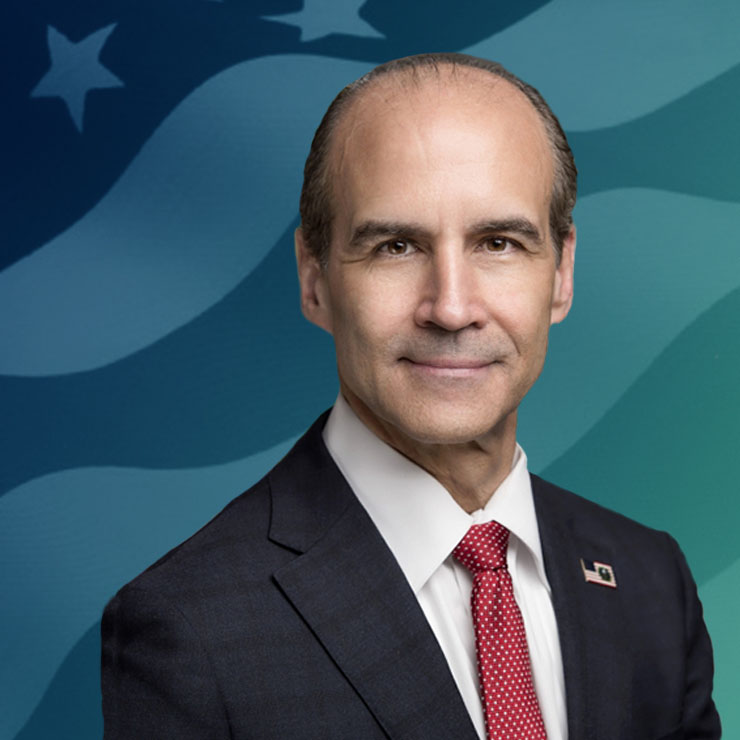
The Senate voted today to confirm Mark Menezes as Deputy Secretary of the Department of Energy.

The global transition to a low-carbon economy will involve trillions of dollars. For some it will be an expense; for others, revenue. And U.S. exporters of nuclear energy hardware and expertise could see well over $1 trillion in business by mid-century.

NEI statement on new DFC policy to allow funding of new nuclear energy projects.

Although the Intergovernmental Panel on Climate Change published their special report on the impacts of global warming of 1.5 ºC nearly two years ago, the climate crisis is gaining increasingly more bipartisan attention in Washington, D.C. Mitigation strategies that support all forms of carbon-free energy generation, including nuclear, have gained notable popularity across the political spectrum

Stories of innovation in the nuclear industry often focus on the advanced reactors under development, but there’s a thriving culture of innovation and excellence across all plants in the U.S. fleet. NEI’s annual Top Innovative Practice (TIP) Awards recognize those employees whose new ideas and approaches make the sector more efficient, cost competitive and even safer.

When you consider that nuclear energy is America’s largest carbon-free electricity source, it is encouraging the House committee proposes a technology-neutral approach to decarbonization that recognizes nuclear energy’s important role in addressing our climate challenges

If there was ever life on Mars, nuclear technology will help find it. You may recognize nuclear energy as the workhorse of the electric grid, but innovation has made the technology essential for tasks well beyond electricity generation – and beyond our planet, too. NASA says it is on track to meet the schedule dictated by the dance of the planets, and launch its new rover Perseverance sometime between July 17 and August 11.

On June 24, NEI hosted “The State of the Nuclear Energy Industry 2020” virtual event on the future of nuclear energy, carbon-free energy and nuclear policy. The event included remarks from NEI President and CEO Maria Korsnick, as well as a panel discussion with Renewable Energy Buyers Alliance CEO Miranda Ballentine and Union of Concerned Scientists President Ken Kimmell moderated by ClearPath Executive Director Rich Powell, and an interview with Senator Joe Manchin (D-W.V.) conducted by Bipartisan Policy Center Founder and President Jason Grumet.

Daniel Oberhaus joins Monica Trauzzi in this virtual episode of “Off the Menu.” Daniel and Monica discuss post-pandemic carbon emissions trends and the future of clean energy technology.

While the nuclear energy industry has made great strides in increasing gender diversity, there’s still work to be done. The workforce remains predominantly male, with women making up less than 25 percent of the nuclear sector workforce worldwide.

The U.S. International Development Finance Corporation (DFC) announced it will lift its legacy prohibition on funding nuclear energy projects.


As many of the United States’ nuclear power plants approach the expiration of their licensing periods in the next 20 years, SLRs must be granted to ensure that the environmental and security benefits gained from nuclear are preserved and furthered.