It seems like we can’t go a day without a news story focused on millennials and what makes them so different from Gen Xers and baby boomers. Based on the media outlet you’re following, millennials are either lazy and ungrateful or highly educated and hard-working—or all of the above.
As a millennial, I can’t say I subscribe to these broad generalizations; though I think one characteristic rings true. Millennials have a distinctly global point of view and eagerness to solve the big problems that face our society. So why should a millennial care about nuclear energy? Because it’s a viable solution to many of those big problems we want to tackle.
Nuclear energy is essential in combating climate change
Right now, one of our greatest challenges is climate change. As we saw with the student climate strikes last week and the momentum around the Green New Deal, this issue is becoming increasingly significant to young populations around the world.
Nuclear energy might not be very familiar to many younger adults, but it is essential for decarbonizing our grid and slowing the impacts of a changing climate. It might conjure up images of cooling towers or memories of watching The Simpsons on weekday evenings, and it’s not often mentioned in the same breath as other carbon-free sources of power. However, nuclear is our number one source of clean energy in the United States, generating more than 55 percent of our carbon-free electricity.
Despite its substantial contribution, 12 of our 98 reactors in the U.S. are threatened with closure because electricity markets don’t properly value the carbon-free attributes of nuclear energy. These flawed markets are putting plants at risk in places like Ohio and Pennsylvania, states that depend on nuclear plants for more than 90 percent of their clean energy.
Any realistic climate solution needs to include nuclear working together with renewable sources like solar and wind in order to meet aggressive carbon reduction goals.
Nuclear energy is safe
Safety is in the DNA of every U.S. nuclear energy plant. The industry has made great strides in improving technology and updating the existing fleet, ensuring our reactors are efficient and the safest source of baseload power.
But what about nuclear waste? Contrary to what The Simpsons depicted, it is not glowing green goo. It’s a solid material: When most people talk about nuclear waste, they’re referring to fuel that’s been used in a reactor once. At first, this used fuel is moved to a storage pool in the confines of a well-protected reactor, and then it’s transferred into steel-reinforced dry casks that you can walk up to safely. It also doesn’t take up as much space as you might think; all of the used fuel ever produced by the commercial nuclear industry since the late 1950s would only cover a football field to a depth of less than 10 yards.
Advanced nuclear is unlocking new potential in the energy sector
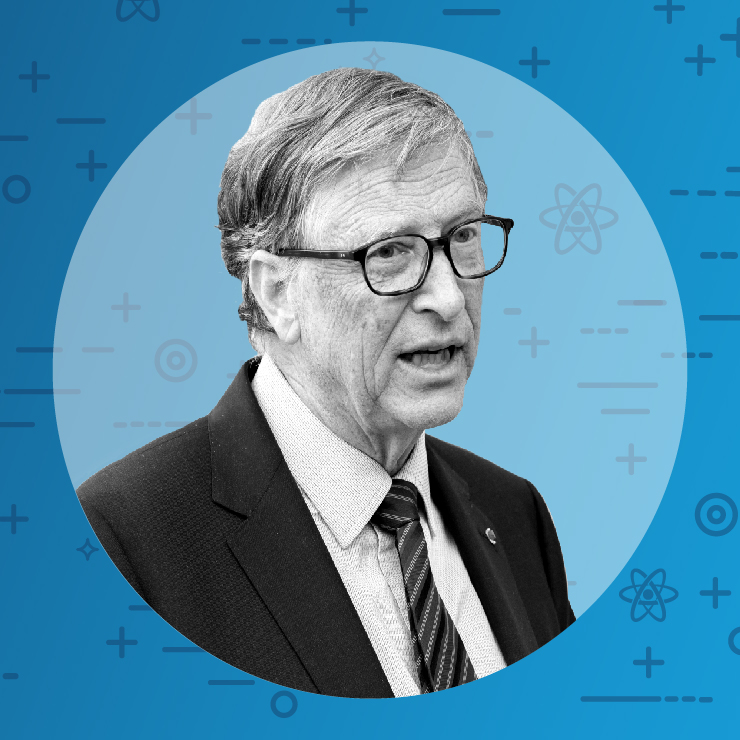
Nuclear is not just about providing reliable electricity to the grid—it has potential to address global issues like inequality and poverty. If all nations had access to a low-cost, reliable source of power like nuclear, we would make strides in creating prosperous communities around the world. It’s why visionaries like Bill Gates are ardent supporters of innovation in nuclear technology.
In 2006, Gates launched TerraPower LLC, a nuclear reactor design company that aims “to improve the world through nuclear energy and science.” At TerraPower and elsewhere, innovators, engineers and entrepreneurs are pioneering new models of nuclear reactors that present exciting possibilities for the future of clean energy. Some are even designed to generate electricity from used fuel! These advanced reactors can operate off the grid, adjust their electricity output to match demand and use a variety of materials for cooling its fuel, including molten salt, so that the process is less reliant on an abundant source of water.
Current nuclear reactors operate at a large scale, with each generating millions of megawatt-hours per year to power millions of homes. New models are more versatile. Advanced reactors can be scaled down to generate just a few megawatts, making them an efficient source of carbon-free energy for rural communities and remote locations.
Nuclear can do more than just keep our lights on
Nuclear energy generation is the only type of power generation that also produces important byproducts used for medicine, technology and consumer products. Nuclear reactors are used to produce isotopes like cobalt-60, which is used in medical imaging and cancer treatments. Nuclear material can also be used to kill bacteria in food and sterilize equipment, saving lives and aiding in new medical discoveries and innovations.
As a millennial, I care deeply about the future of our country and our planet. I’m playing my part for a brighter tomorrow by working to create greater awareness and support for nuclear, an energy source that our generation simply cannot afford to lose.
.jpg?language=en-US)
.jpg?language=en-US)