The urgency around climate change has propelled energy and environmental issues to the forefront. These conversations are taking place anywhere people interact—from the local grocery store aisle to Twitter comments and Reddit threads—but we’re seeing growth on one platform in particular: podcasts.
According to Statista, there were an estimated 120 million podcast listeners in the country last year, and this number is expected to grow in increases of around 20 million every year. More than ever, people are listening.
Just as the audio landscape has changed considerably over the last few years, so has the conversation around climate and energy.
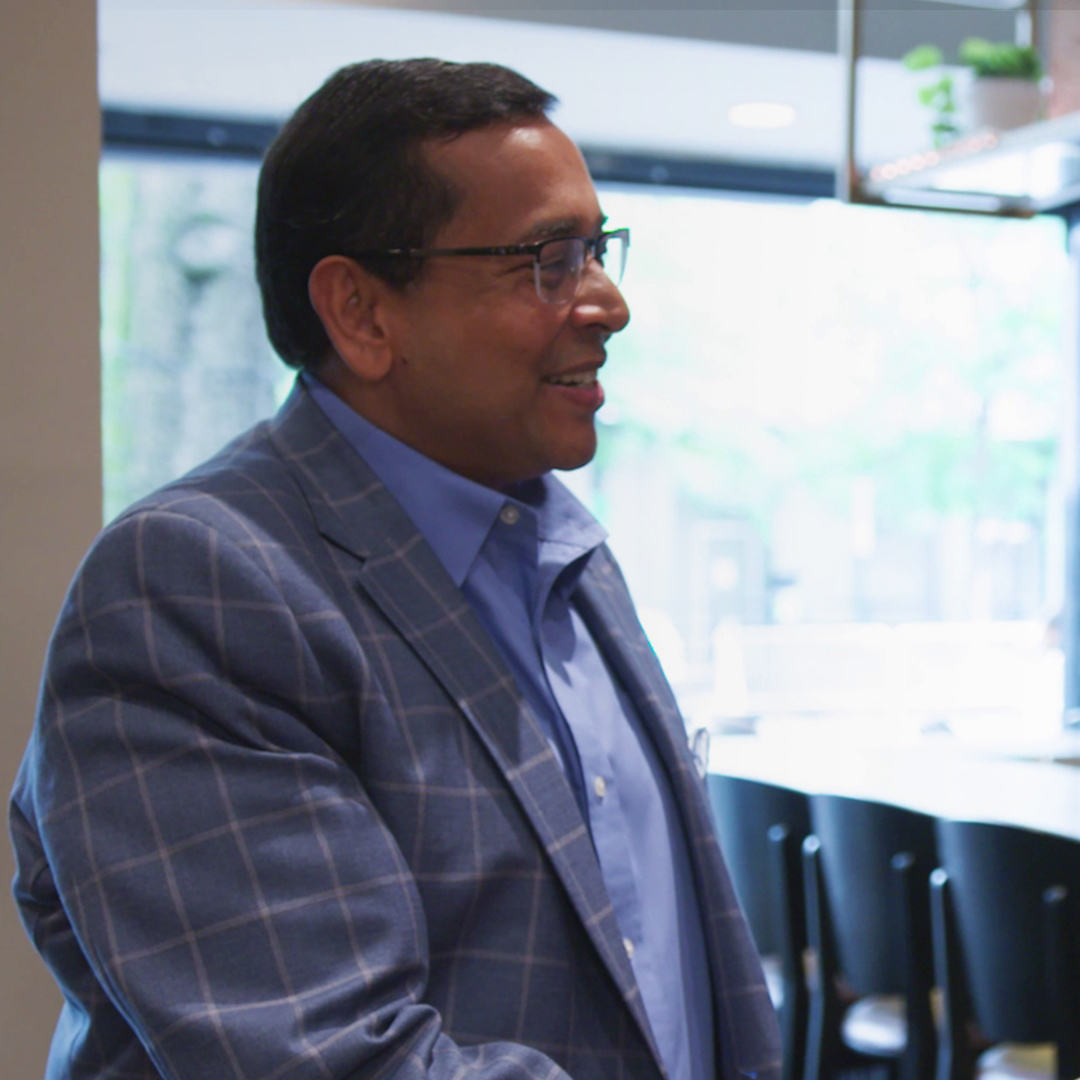
Off the Menu with Monica Trauzzi recently sat down with Stephen Lacey, co-founder and executive editor of Post Script Media, who has been on the leading edge of climate and energy podcasts over the last decade. Stephen has hosted shows such as the Energy Gang and the Interchange, and over the past 12 years, he has launched five podcasts that have collectively received over six million downloads.
“What we’re trying to do is not be drive-by climate journalists,” said Lacey. “There are so many really interesting stories that intersect with climate change…and we’re getting new audiences. These aren’t just people who are interested in environmental issues.”
In the interview, Lacey discusses how one of his main goals is to connect stories about climate change and the energy transition to peoples’ lives in a meaningful way. Everything from how we keep the lights on to how we decarbonize heavy industry to how we create new job opportunities—it all has to do with energy.
Nuclear connects to these narratives because it provides carbon-free, reliable, secure, affordable energy, as well as high-paying jobs.
“The conversation around nuclear has changed considerably over the last five to eight years, and that’s because of the urgency around climate change,” said Lacey. “Everyone realizes that we need such a diverse range of technologies to decarbonize the energy system and industry as quickly as possible and nuclear has to play a really important role in that mix.”
Transcript:
Monica Trauzzi:
He’s been at the leading edge of climate and energy podcasts over the last decade. Post Script Media founder, Stephen Lacey joins me for lunch at L’Ardente. I’m Monica Trauzzi, this is Off the Menu.
Stephen Lacey:
Hey Monica!
Monica Trauzzi:
Stephen, how are you?
Stephen Lacey:
Great, how are you?
Monica Trauzzi:
It’s so good to see you.
Stephen Lacey:
Good to see you.
Monica Trauzzi:
Ready to have some lunch?
Stephen Lacey:
Yeah, let’s do it!
Monica Trauzzi:
Okay, let’s do it.
Stephen thank you so much for joining me for lunch. It’s nice to have you in town.
Stephen Lacey:
Absolutely, so glad to be here.
Monica Trauzzi:
Yeah I mean we both used to run in the same circles in this town and now you’re back for a visit.
Stephen Lacey:
Back in the old haunt.
Monica Trauzzi:
I remember back in my old journalism days when you launched your first podcast, and it was before people were really into podcasts. And you, I guess just had this vision for something cool and innovative.
Stephen Lacey:
The audio world has changed so much. Back in those early days, there were very few podcasts out there about environmental issues or energy and climate issues. And so we decided that audio was the place where people were headed, and there was a chance to create really in-depth conversations that you couldn’t get anywhere else. And people responded to it. And we built a really sizeable audience, and it turned out that the podcast industry is now a fairly big business. Our thesis is we can connect the climate change and energy transition issues to people’s lives in ways that are meaningful to them.
Monica Trauzzi:
And just to give people a sense of this company, I mean this is like a big deal, right? You’ve just fundraised $2 million, you’ve linked up with Canary Media as well. I feel like you’re really pushing the envelope on things. How do you think you’re doing things differently than the mainstream media?
Stephen Lacey:
What we’re trying to do is not be drive-by climate journalists. A lot of folks in the mainstream press, particularly in television news, will come in, they’ll tell a story about a wildfire or drought or something climate-related. Maybe they’ll mention climate change, often they’re talking about it in a weather context, and then they’ll get someone talking in a really scary way about it and then leave. And it’s not helpful, it doesn’t give people context, everything from food prices to how sporting events are held, to our insurance policies to how financial markets work. There are so many really interesting stories that intersect with climate change. So we went out, we raised a couple million dollars, built a network of shows, and people are responding. We’re getting audiences, and we’re getting new audiences. These aren’t just people who are interested in environmental issues. They’re people who are interested in travel and also environmental issues, or people who are interested in the financial world and also climate.
Monica Trauzzi:
Back when I was a journalist, nuclear was not a part of the climate conversation at all. How do you think the game has changed for nuclear in terms of how it relates to climate and how are you seeing it pop up in the conversations that you’re having on your podcasts?
Stephen Lacey:
The conversation around nuclear has changed considerably over the last five to eight years, and that’s because of the urgency around climate change. A lot of the historic silos that people operated in, the ideologies people had around what solutions could work and won’t work, they’ve been broken down a bit. And everyone realizes that we need such a diverse range of technologies to decarbonize the energy system and industry as quickly as possible and nuclear has to play a really important role in that mix.
Monica Trauzzi:
So you get to ask questions for a living, but what is the one question that you would love to have answered in the climate world?
Stephen Lacey:
Are we going to do this? Every day I wake up with a different answer to that question. I feel really hopeful about the solutions we have at hand. I think in general most people who study this issue believe that we have 80% of the technologies to decarbonize the grid, to decarbonize industry, to decarbonize transport and heavy transport. We mostly have the technologies. The question is political will and the business structures to implement those technologies. And we’re getting there but it is still really slow relative to the speed of change that we need to see. So, sometimes I wake up feeling pretty hopeful, other times I feel a little bit despondent. And all I can do is just look toward the solutions and tell stories about the solutions and how it connects to peoples’ lives. But I am asking myself that question all the time.
Monica Trauzzi:
Well you’re doing a really good job at telling those stories. Thank you for the work that you are doing and thank you for joining me today. Thank you for joining me today. It’s fun to see you again.
Stephen Lacey:
Absolutely, it’s good to see you too!