
Newsroom Archive

Demand for nuclear energy is unprecedented, with more and more reports predicting nuclear output will have to increase substantially to meet energy transition targets. And that new reality for nuclear was on full display at last week’s Nuclear Energy Assembly (NEA) in Washington, D.C.
The Nuclear Energy Institute (NEI) announces the election of several members to its Board of Directors and Executive Committee.
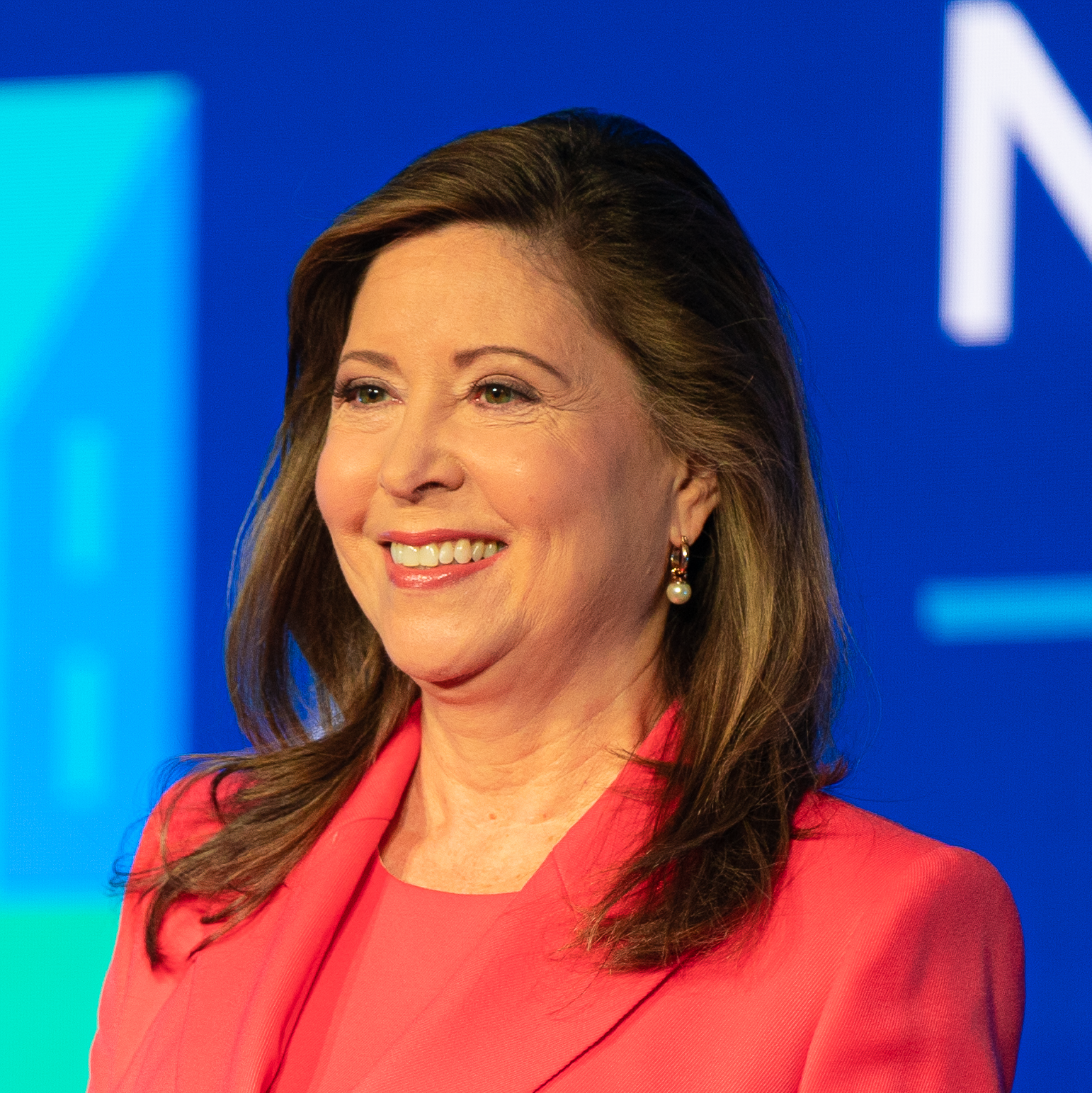
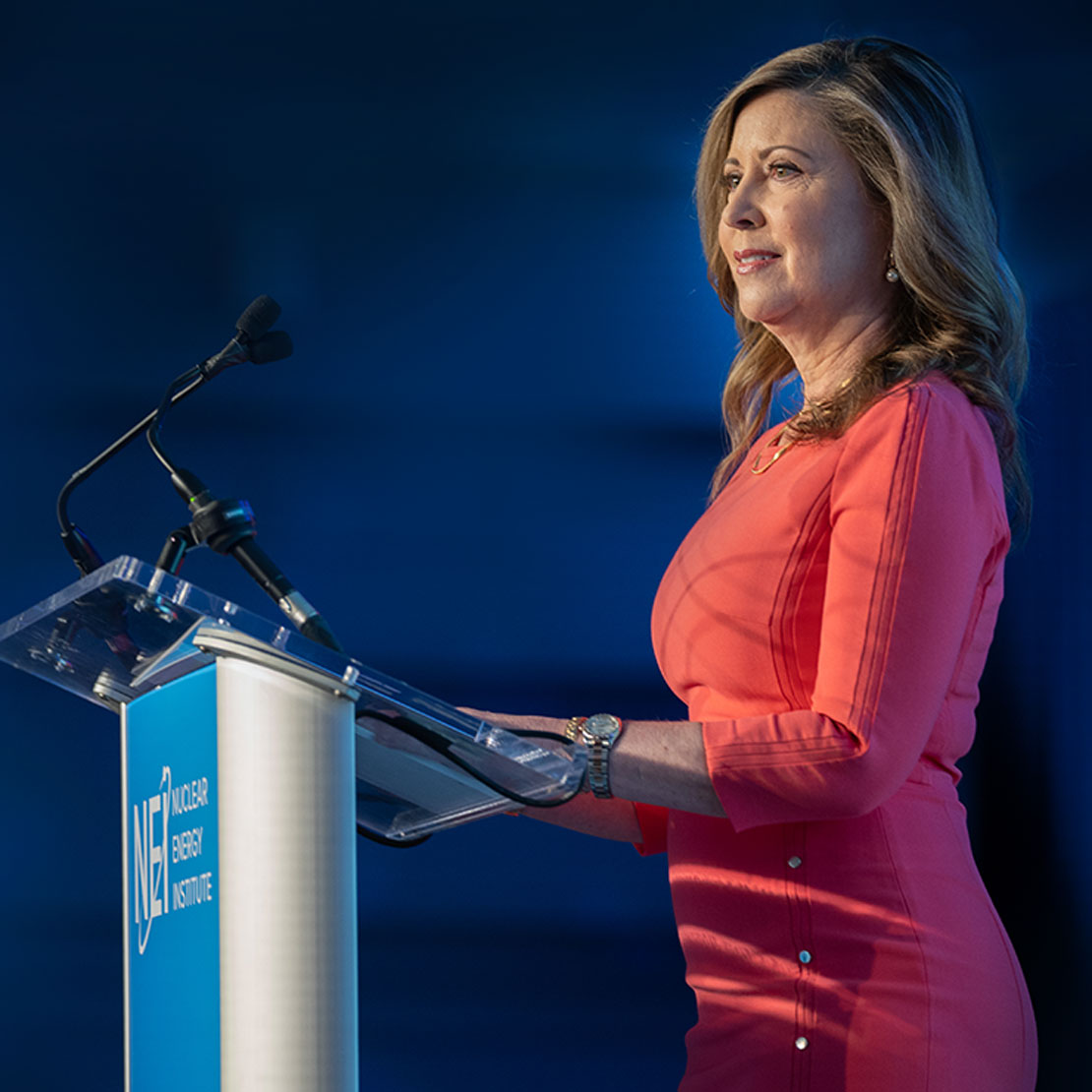
NEI President and CEO Maria Korsnick addresses the State of the Nuclear Energy Industry and its vision of the future.

Want to learn more about how the nuclear industry is supporting environmental justice and community engagement? We asked the expert, NEI’s Sr. Vice President, General Counsel and Secretary Ellen Ginsberg.
.png?language=en-US)
Join us May 15-17 in Washington, DC, for this year’s Nuclear Energy Assembly (NEA) to keep the momentum going with conversations between thought leaders, innovators, and policymakers. Here are five standout reasons to attend.
Michael Flannigan is joining the Nuclear Energy Institute as vice president of governmental affairs on May 22.
Director Oliver Stone is bringing “Nuclear Now” to select theaters on April 28 and across the country on May 1. The film explores how the world can address critical challenges like the climate crisis and secure a brighter future through the use of nuclear energy.
The debt ceiling plan released in the House this week includes provisions that would undermine efforts to develop the clean, reliable and affordable energy system of the future.

When it comes to nuclear, the challenge isn’t demand—it’s being able to build quickly enough to meet demand. But McKinsey concluded that the roadblocks they identified can be overcome, and the scale-up required by the industry is achievable.
.jpg?language=en-US)
The NRC must not be the impediment that prevents the United States from being the global leader in safe, reliable, carbon-free advanced nuclear that is essential to meeting the huge demand seen in the United States and around the world. Now is the time to modernize the NRC’s mission and recognize their significant role in enabling advanced nuclear as the backbone of a secure, carbon-free future.

Interest in nuclear was big before, but now it’s bigger than ever. NEI’s latest survey shows how the benefits of recent policy changes provide an even brighter future for nuclear, with significant enhancements planned for the current fleet and an increasing level of activity toward the deployment of new nuclear.
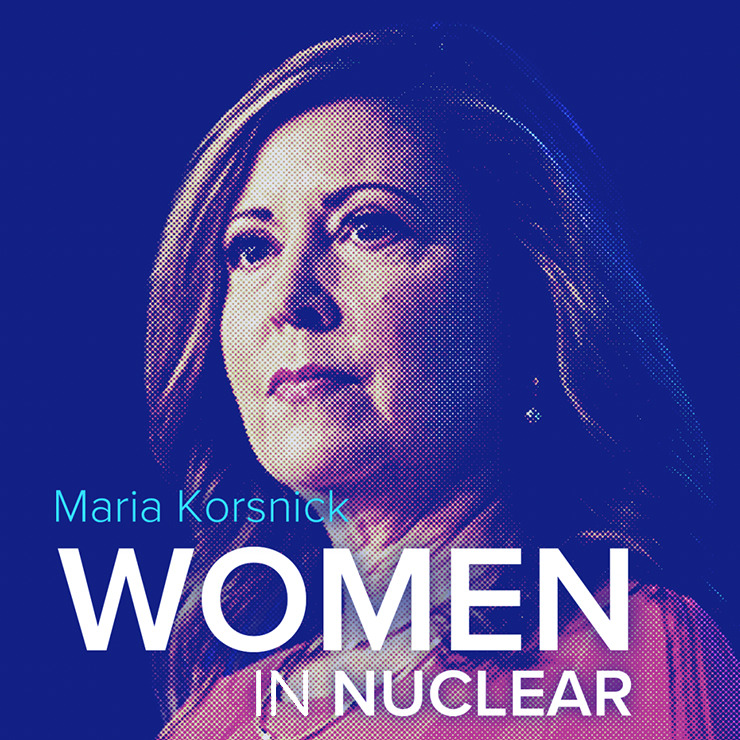
March is Women’s History Month—a time to highlight and honor the contributions of women to events in history and in the present day. We’re celebrating by asking the first woman chief nuclear officer in the United States and NEI’s President and CEO Maria Korsnick about how she got to where she is today and women leaders who inspired her along the way.