
Newsroom Archive

Against the challenging backdrop of flawed energy markets that don’t fully recognize the benefits that nuclear provides, governors and states have acted to preserve nuclear, a clean energy resource.

More than 100 leaders in this national security have formed a new organization, the Nuclear Energy and National Security Coalition, urging policymakers to act to regain U.S. leadership.
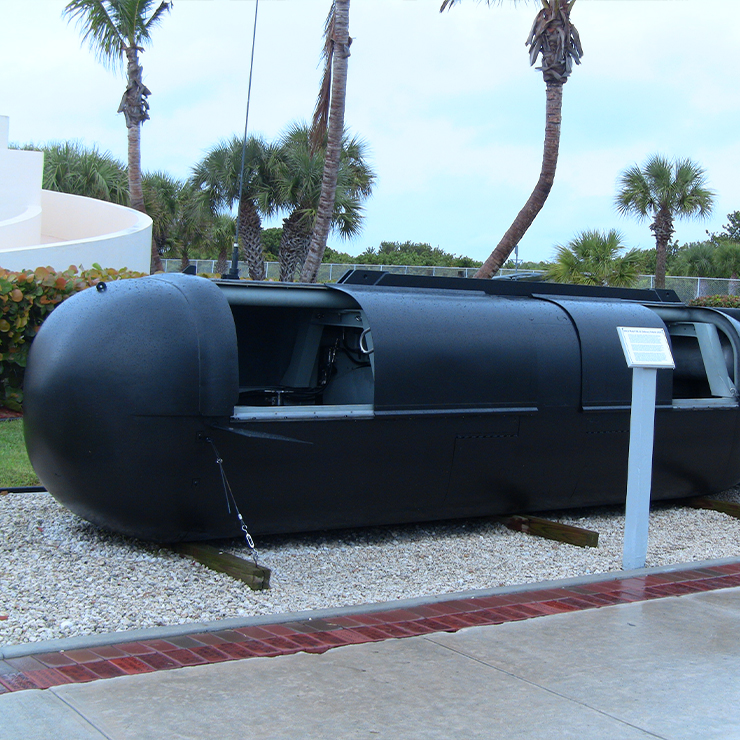
Innovation drives the nuclear industry. 3D-printing—like we saw with Oak Ridge and the Navy—and advanced manufacturing can revolutionize how we use carbon-free nuclear energy to power our way of life.

The nuclear industry will showcase this new momentum at this year’s annual conference and supplier expo, the Nuclear Energy Assembly. Taking place June 3-5 in Washington, D.C., NEA is the gathering place for leaders from all areas of the nuclear industry.

NEI's Maria Korsnick will sign the CEO Action for Diversity and Inclusion, joining the CEOs of 600 major companies, including NEI members such as Dominion, Duke Energy, Exelon, First Energy, PSEG, Southern and Xcel, to raise awareness about issues relating to diversity and inclusion.

In remote places, fueling an electric generator is so expensive that some people spend half their income on energy. In states like Alaska—with hundreds of remote communities—micro-reactors would enable these communities to power their way of life at a lower cost while protecting the climate.

In technology-neutral, clean energy standards, nuclear energy is included—alongside wind, solar, hydropower and fossil fuel with carbon capture—as one of the clean technologies that can help states reach their ambitious environmental goals.

HBO will begin a five-part miniseries called Chernobyl on May 6, based on the nuclear accident in the Soviet Union. Viewers might see the Hollywood treatment and wonder what the relevance is outside the USSR. The short answer is: not much.

The long-anticipated movie “Avengers: Endgame” premieres in theaters this week. We can finally discover whether Earth’s mightiest heroes can save half of humanity. To defeat Thanos, the Avengers are going to need a lot of help—and I think nuclear energy can provide it.

Each year, Earth Day is an opportunity for us to give thanks for Planet Earth and reflect upon ways we can take action to protect the environment. As the number one source of clean energy in the U.S., nuclear energy plays a significant role in reducing carbon emissions and keeping our planet green, and we’re proud to be in an industry that considers environmental stewardship to be a core tenet of our mission.
As America’s largest source of carbon-free power, nuclear energy facilities will play an important role in powering our rapidly growing fleet of electric vehicles without emissions. In response, electric utilities that operate nuclear power plants are investing in a range of initiatives to pave the way.
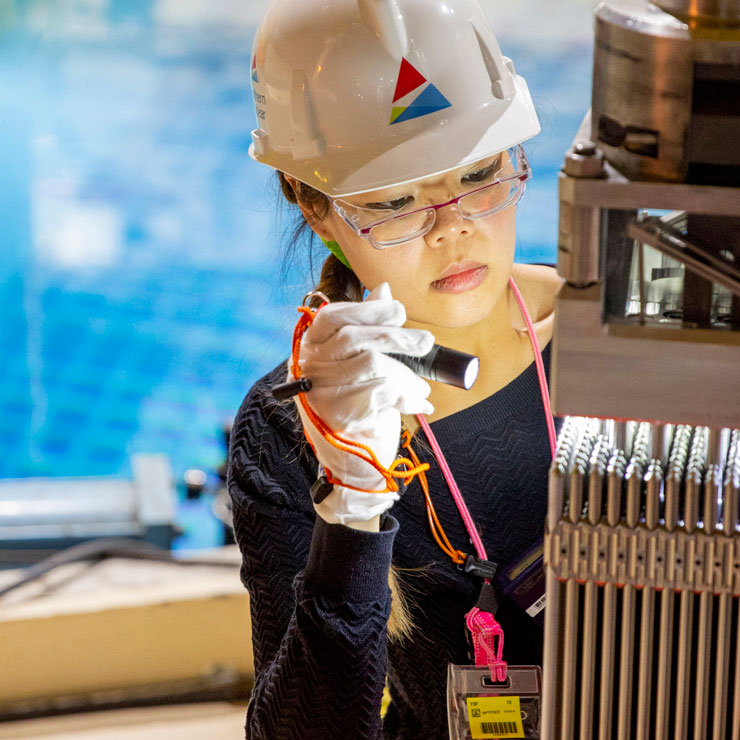
When it comes to innovation, it’s easy to think of new plant construction or advanced reactor technology, but the industry also is on the path to beating its own timeline for developing accident tolerant fuel—one of several new technologies that will help our current fleet achieve more efficiency. These advanced fuel designs will make plants even safer by allowing plant operators more time to respond to reactor conditions.