
Newsroom Archive
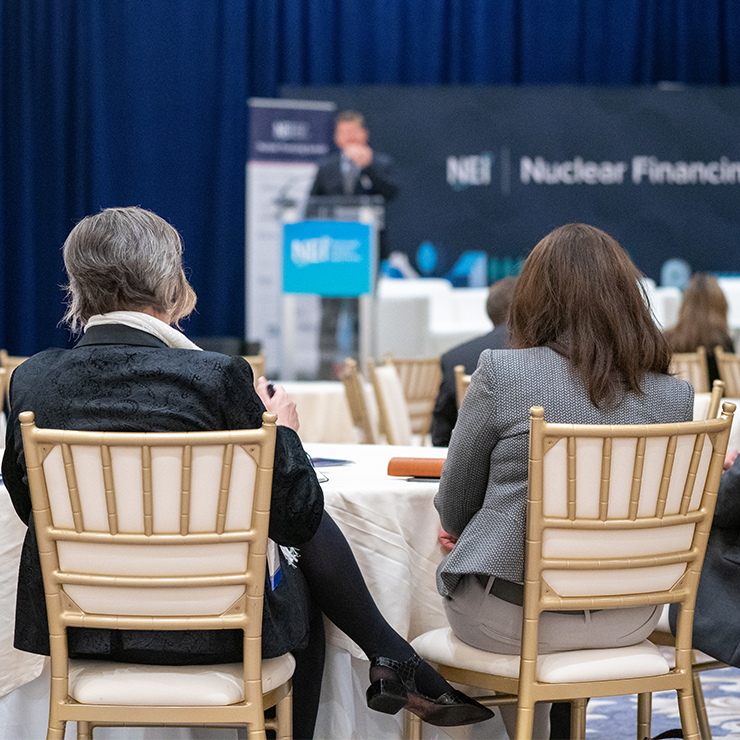
According to a new report by the Center for ESG and Sustainability (CESG), nuclear energy is an investible ESG asset. It’s imperative that the financial community and rating agencies recognize nuclear energy’s strong performance within ESG frameworks, in order to drive some of the trillions in international investment dollars toward game-changing, sustainable nuclear energy.
For me, nuclear energy has always meant the promise of clean, reliable and affordable energy. Today, I am not no longer unique in this belief. I am now joined by leaders around the world, policymakers on Capitol Hill and officials in the White House who are all recognizing that nuclear energy is critical to our energy future.

The urgency around climate change has propelled energy and environmental issues to the forefront. These conversations are taking place anywhere people interact. Off the Menu with Monica Trauzzi recently sat down with Stephen Lacey, co-founder and executive editor of Post Script Media, who has been on the leading edge of climate and energy podcasts over the last decade.

It is truly remarkable that splitting atoms can transform into 24/7 carbon-free energy. This Nuclear Science Week we are learning more about the nuclear power that we rely so much on today and the scientific discoveries that make it possible.
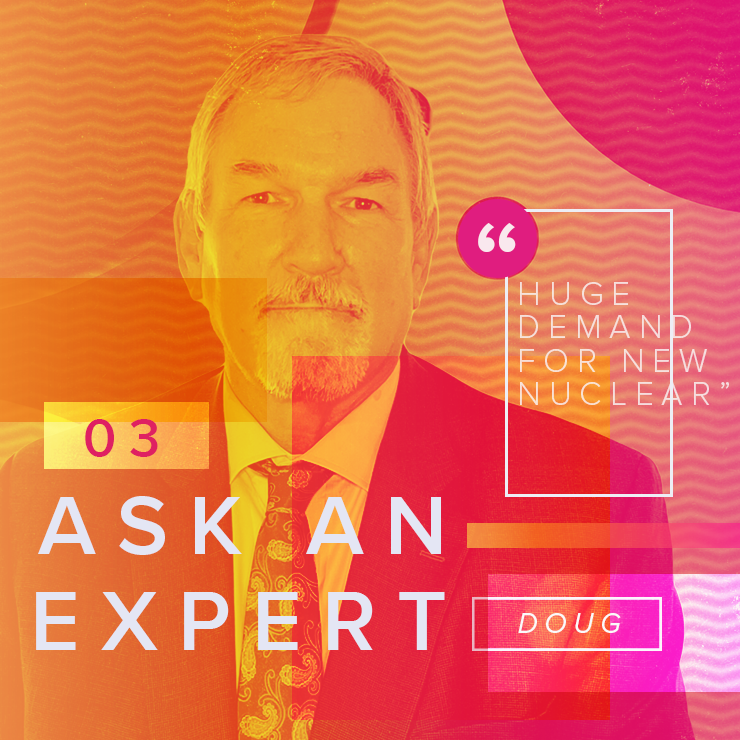
New nuclear designs are gearing up for deployment. What does this mean for the regulator? We’re asking the expert, Doug True, who is NEI’s chief nuclear officer.
The Global Clean Energy Action Forum took place in Pittsburgh, Pennsylvania, where the focus was on clean energy action and the global transition to net-zero emissions. At this convening of global leaders, CEOs, innovators, civil society and more, nuclear energy was recognized as a key part of the solution.
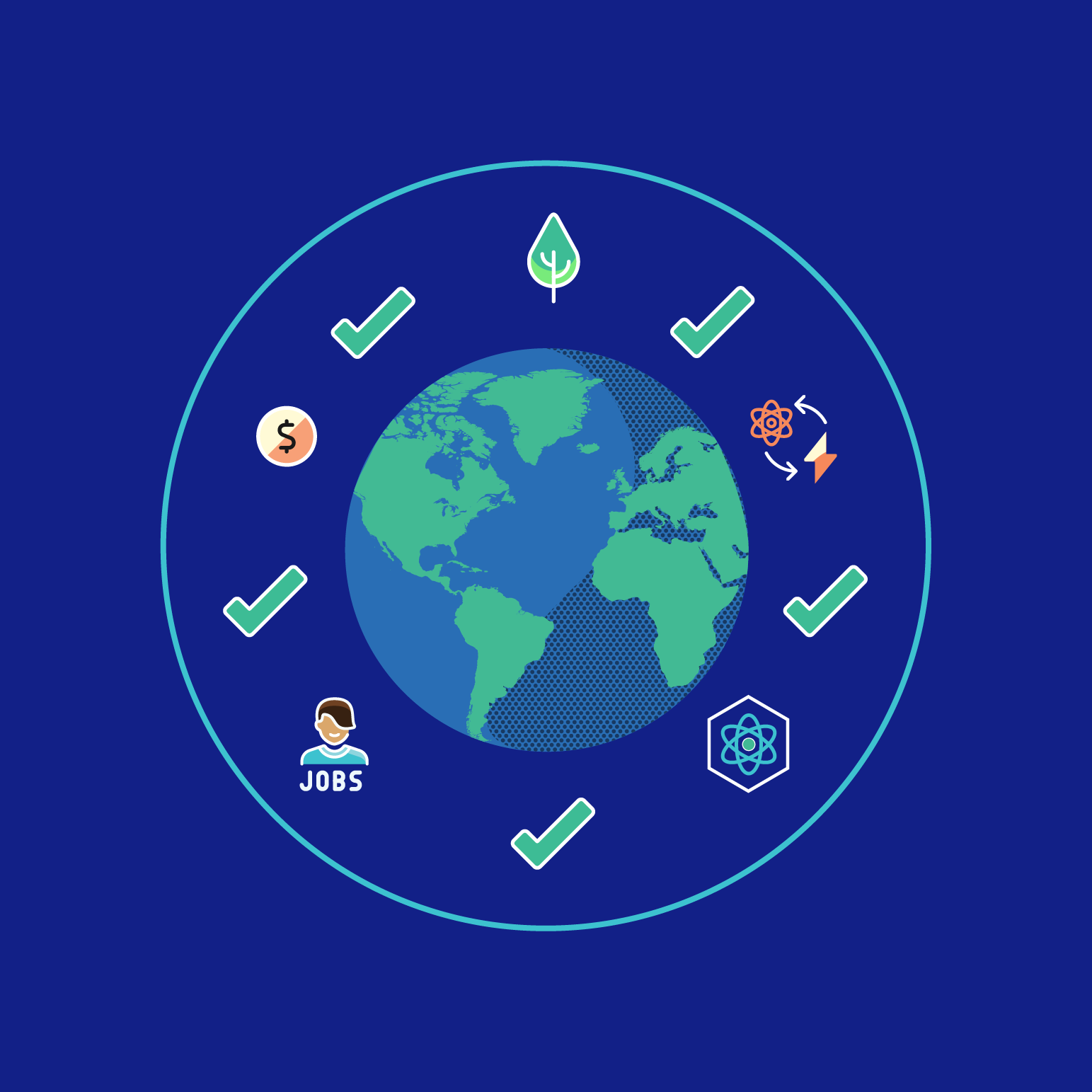
In order to address global warming, the world needs to go carbon-free. But our carbon-free future must work for people, as well as the climate. Keeping the lights on, providing job opportunities, ensuring affordable monthly bills, and reaching remote communities—these are all goals that our climate solutions need to achieve. The good news? We have a deployable source of energy that checks all these boxes: nuclear.

This fall, governments, NGOs, the private sector, academia and more are meeting at three big international events where nuclear energy and climate action are on the agenda: Global Clean Energy Action Forum, IAEA Ministerial Conference on Nuclear Power, and UN Climate Change Conference.

Students across the country are returning to school this week. Whether you are an educator, a parent, or involved in community outreach, these resources can help create an impactful lesson plan about our nation’s largest source of carbon-free electricity: nuclear energy.
A recent study found that residents living closest to nuclear power plants view them favorably, and instead of saying Not In My Back Yard (NIMBY), they understand the benefits nuclear plants bring to communities and would welcome new reactors in their neighborhoods. The biennial survey done by Bisconti Research gathered the opinions of 910 full-time residents within a 10-mile radius of nearly all nuclear power plants in the U.S., excluding households with people who work at a nuclear power plant due to their vested interest.
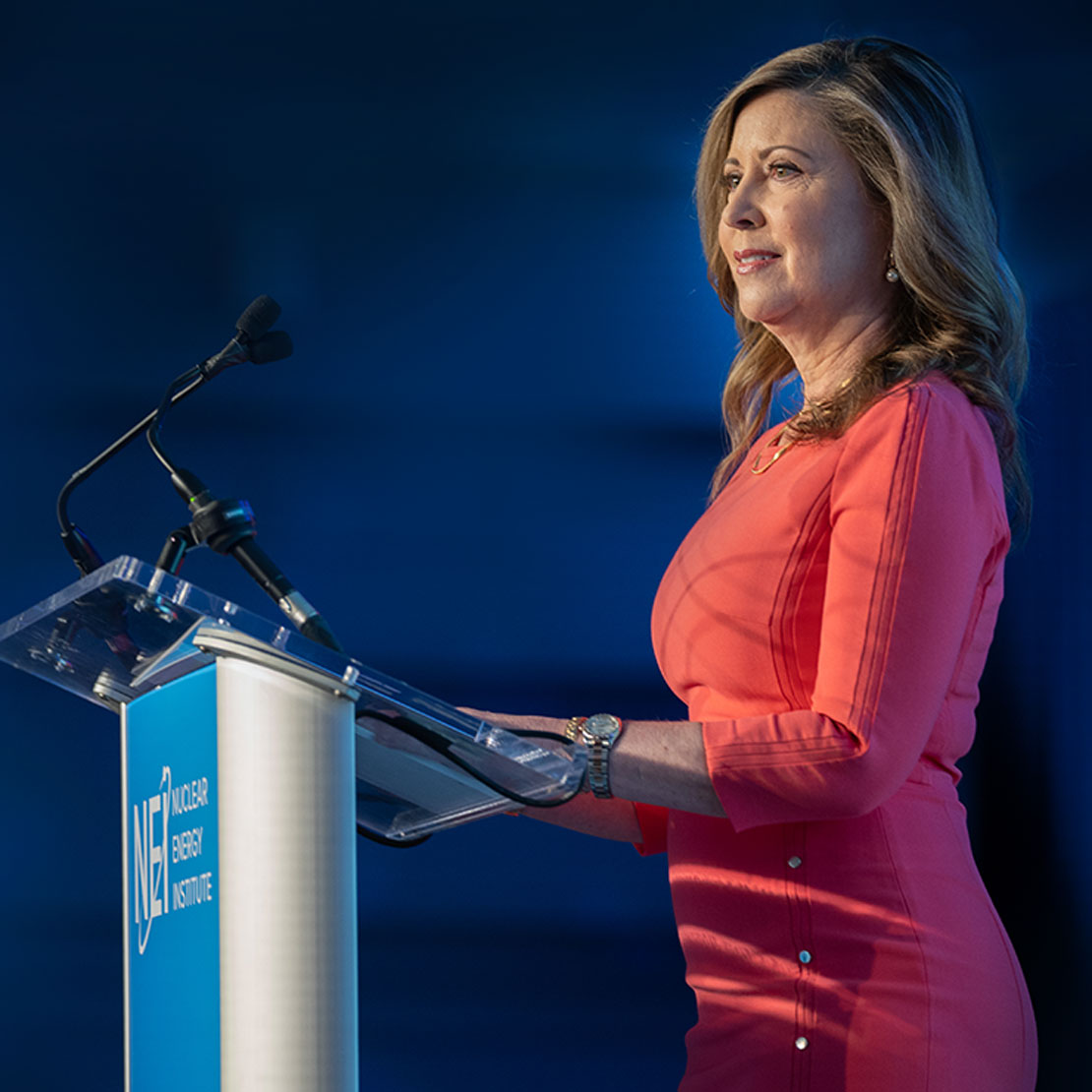
The following statement on California's decision to extend the operation of Diablo Canyon Power Plant can be attributed to Maria Korsnick, president and chief executive officer of the Nuclear Energy Institute: “California's passage of the Senate Bill 846 underscores nuclear's essential role in achieving a reliable, affordable and carbon-free energy transition."
After a vote-a-rama in the Senate and passage in the House, President Joe Biden signed the Inflation Reduction Act (IRA) into law. It’s not often that Congress returns to Washington during August district work periods to pass legislation—unless it’s important. In fact, President Biden called the legislation "the biggest step forward on climate ever.” And at the center of this big step to address climate change is support for carbon-free nuclear energy.