
Newsroom Archive

Bill Gates spoke with Anderson Cooper on "60 Minutes" about the urgent need to reduce carbon emissions with big ideas, including innovation in nuclear energy. As the largest source of carbon-free energy, nuclear power is essential to a carbon-free future, says Bill Gates.
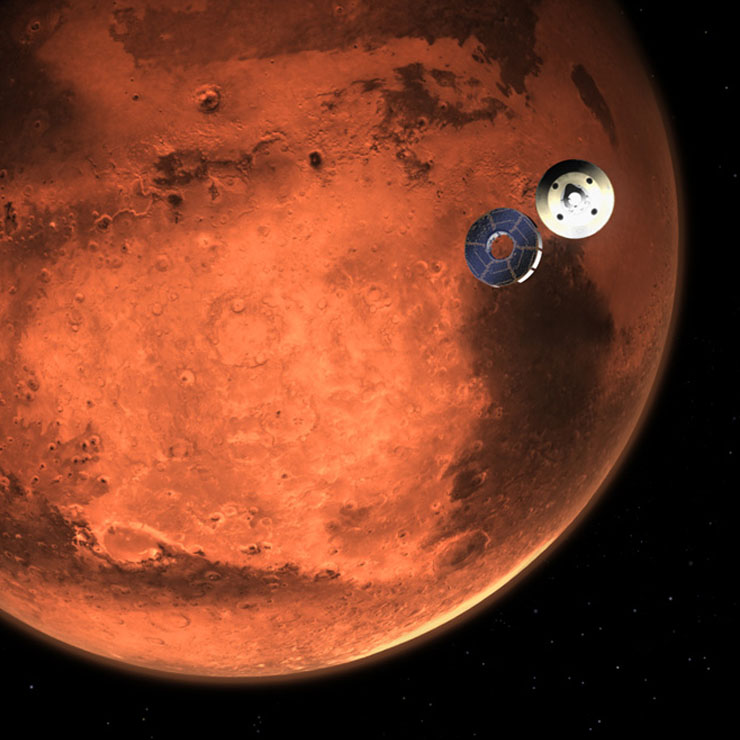
Perseverance, NASA's biggest and most ambitious Mars rover yet, will look for signs of life, powered by a nuclear battery.
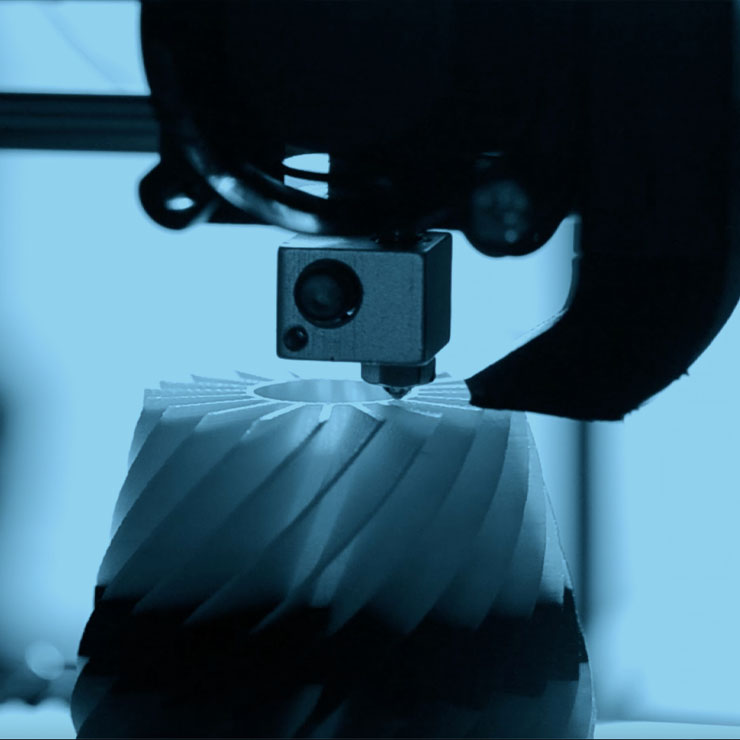
Nuclear energy is adopting innovations like 3D-printing so it can continue to power our way of life without carbon emissions. With these advances, current and new nuclear reactors will be ready to provide for a carbon-free future.
The new administration has signaled that climate change will be one of their highest priorities, with no move demonstrating that as clearly as President Biden’s decision to rejoin the Paris Agreement. Let’s talk about what the Paris Agreement is and what it means for the pursuit of a carbon-free future.

The pipeline of advanced nuclear technology, as well as other exciting developments in carbon-free technology, means that meeting the ambitious climate goals of our policymakers is not only possible, but also in our not-too-distant future.
The designers and operators of advanced nuclear reactors will bring with them years of experience in operating the current fleet.

As we anticipate what 2021 will hold, let’s take a look back at the stories that captivated you the most in 2020.

While we can’t predict what will happen in 2021, we know that in order to reach our climate goals, we will need to continue investing in the latest energy innovations, while building on the consensus that all carbon-free technologies will be necessary. Here’s how nuclear energy will figure into our urgent need to reduce emissions in the coming year.

With efficiency improvements and power uprates, the U.S. nuclear industry has added the equivalent of 32 new large reactors over the last 30 years. Yes, you read that right.

Innovation will be vital to reducing carbon emissions and solving our climate crisis. The brightest minds in nuclear energy have taken this to heart. X-energy LLC is one of these innovators and its Xe-100 reactor is a leading example of the next generation of nuclear.

As we prepare to see our families this holiday season, either in person or via Zoom, there’s one conversation topic that may arise: our changing climate. Enter: Nuclear energy.

The climate crisis is global; it needs international solutions. Cooperation between the U.S. and Canada will benefit everyone.