
Newsroom Archive

NEI is asking the U.S. Supreme Court to overturn a lower court’s judgement that effectively upholds a decades-long ban on uranium mining in Virginia. NEI’s argument hinges on the need to maintain the established separation of federal and state regulatory authority over nuclear activities.
A new class of nuclear reactors, with a core about the size of a roll of paper towels, can be set up by astronauts and then run autonomously for ten years, to produce water, rocket fuel and other necessities.

The House Energy and Commerce Committee today reported out by voice vote HR1320 and HR6140, two bills that recognize the important role nuclear energy plays in providing reliable, carbon-free electricity in the United States and around the world.
This week, DOE announced another round of awards, to the tune of nearly $20 million, to help develop nine domestic advanced nuclear technology projects.

A new joint report by two think tanks cites the importance of nuclear energy sources in combating climate change to urge U.S. states to adopt Clean Energy Standards (CES)—which include nuclear power—instead of Renewable Portfolio Standards (RPS) that don’t.
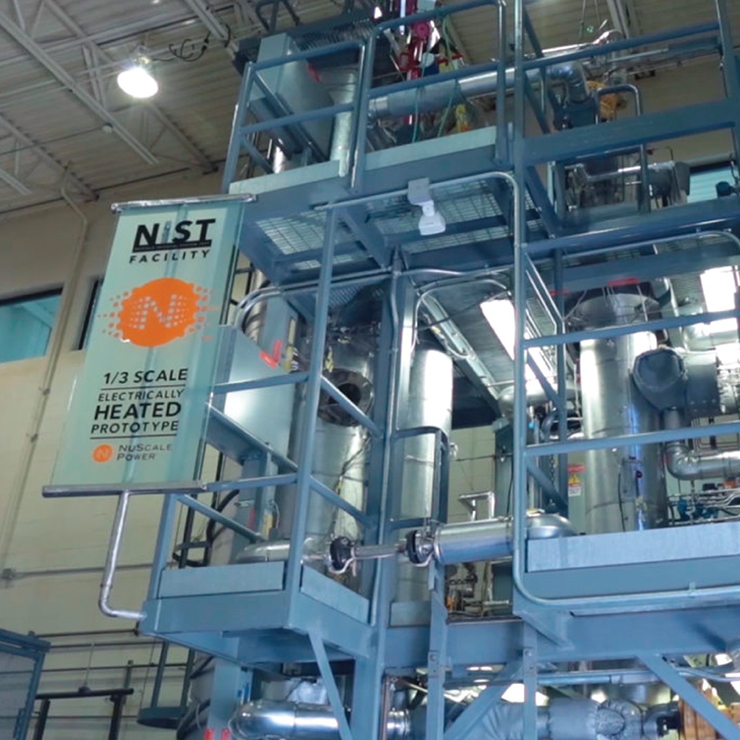
NEI has issued a document offering advanced nuclear reactor developers guidance on how to engage with the NRC as they prepare their pre-licensing and licensing interactions.

This June 30 will mark three years without a leadership quorum at the Export-Import Bank of the United States (Ex-Im Bank), the nation’s official export credit agency that provides funding for domestic companies to compete in the global marketplace. Without a quorum on its board, the bank is unable to approve funding for projects larger than $10 million, putting U.S. nuclear suppliers and exporters at a distinct disadvantage.
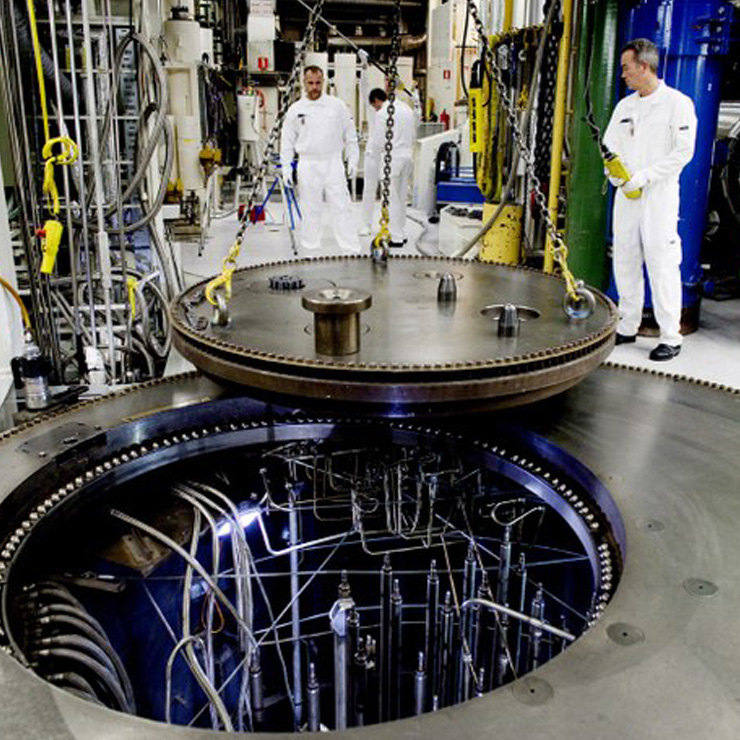
As Norway's Halden test reactor announced this week it would be closing permanently, testing of advanced accident tolerant fuels in the United States continues apace. Meanwhile, Congress provided robust funding for DOE's ATF R&D program, demonstrating its continued support for innovation in nuclear fuels.
Congress continues to demonstrate bipartisan support for nuclear energy, with the Senate passing an appropriations bill June 25 that provides $1.2 billion for the U.S. Department of Energy’s nuclear energy programs.

National security, including our industrial capability, prosperity, human health and welfare, and environmental health, all rely heavily on electricity, particularly nuclear electricity.
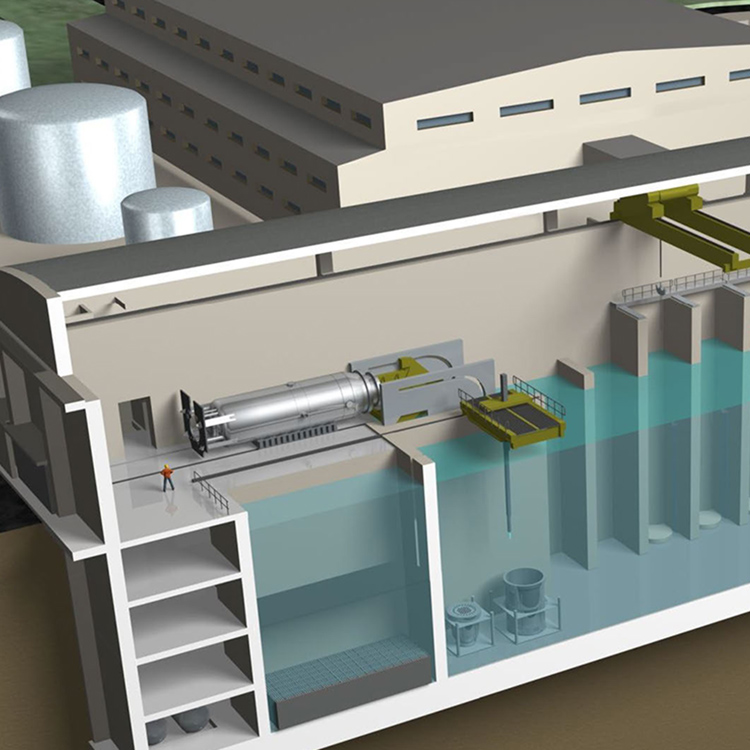
A NuScale Small Modular Reactor (SMR) can operate independent of the electricity grid, run a micro-grid, and initiate a recovery if the grid fails.
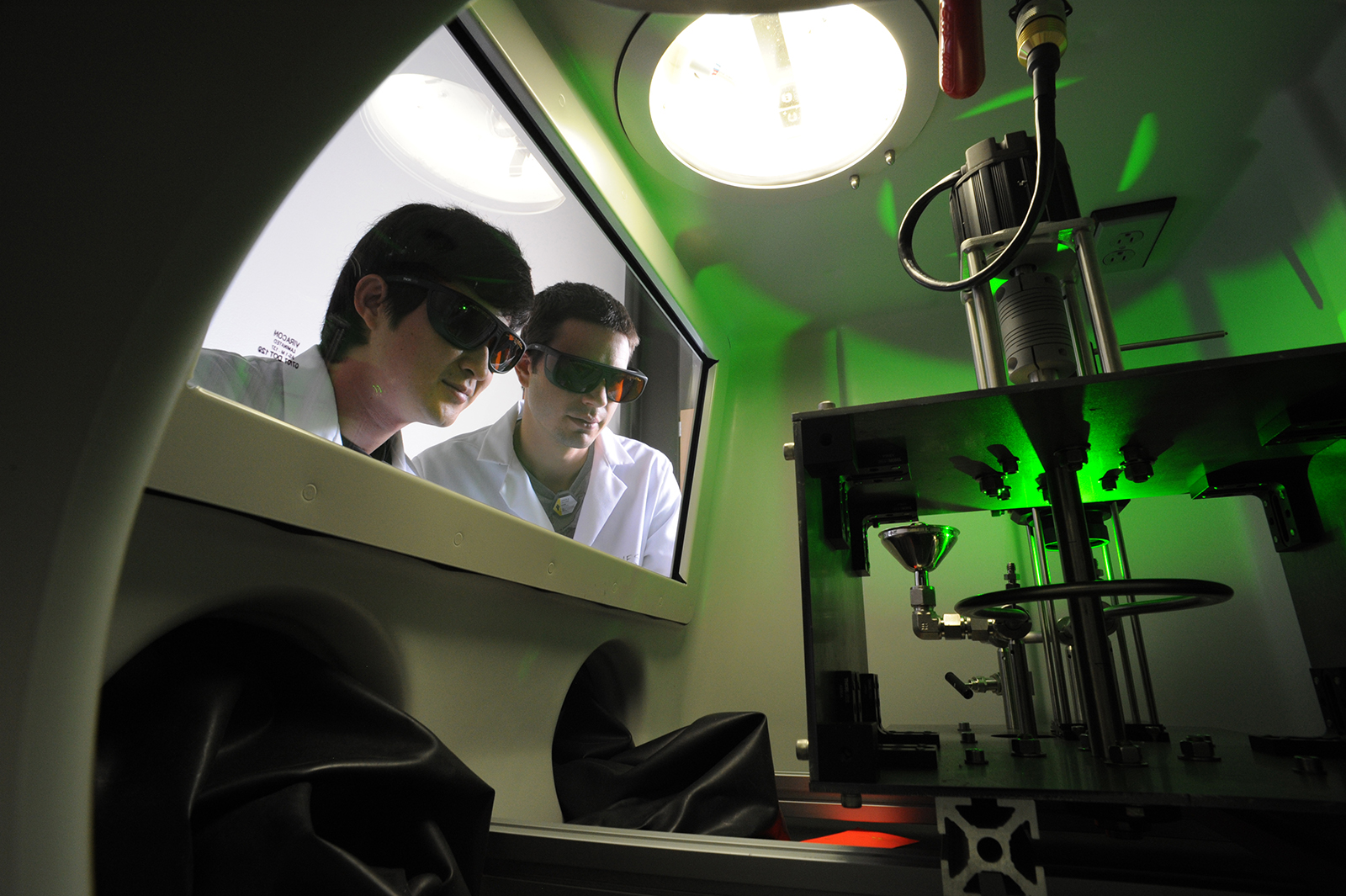
In a demonstration of the Trump administration’s continued support for revitalizing the commercial nuclear industry, the Department of Energy (DOE) this week announced nearly $64 million in funding for advanced nuclear energy technology projects.