
Newsroom Archive
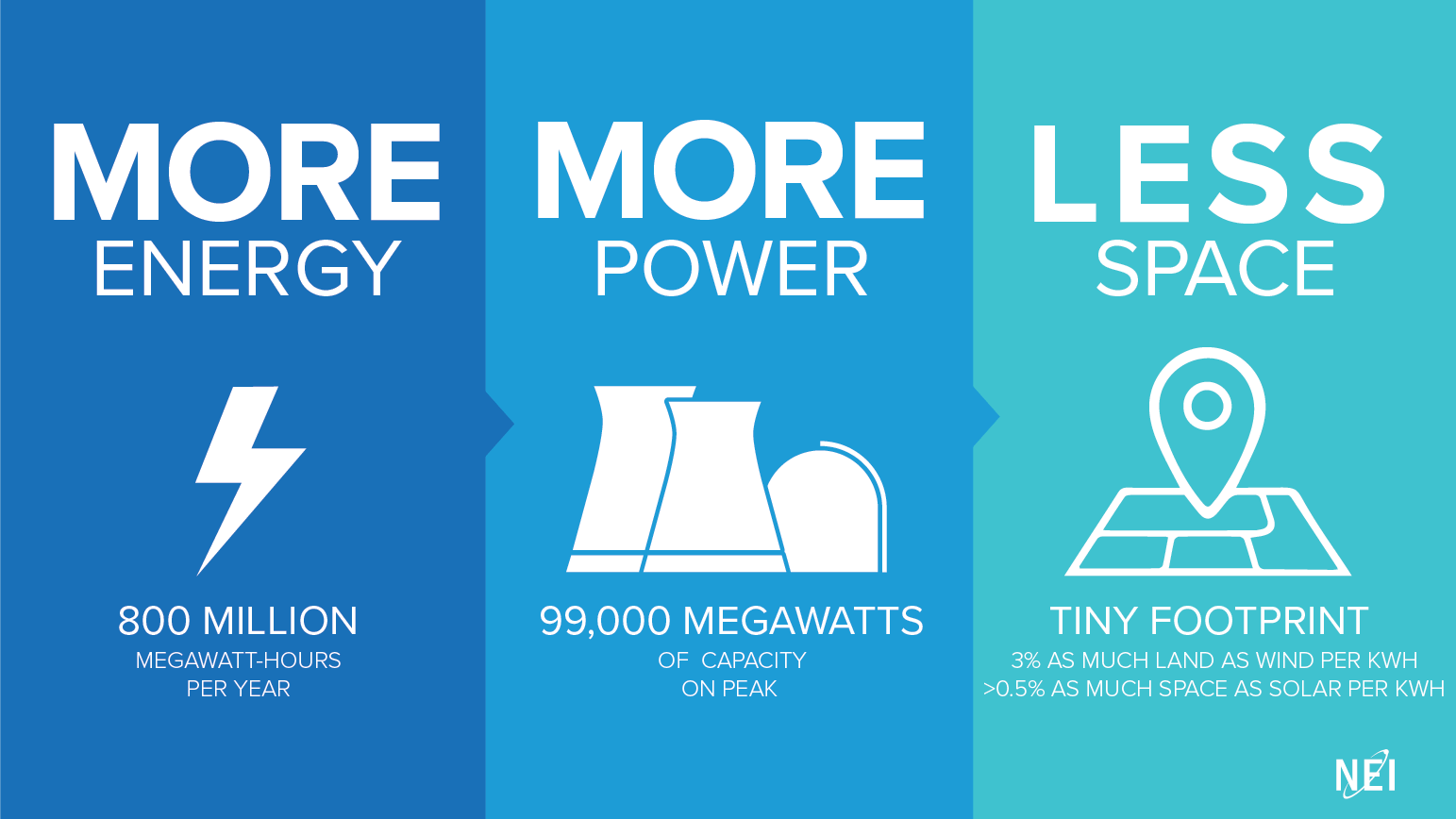
The 99 operating commercial power reactors are now doing the work that it would have taken about 140 reactors to do back in the 1980s.

A new NEI study conducted by ICF details how a future gas pipeline disruption, combined with continued nuclear power plant retirements, could lead to prolonged electricity service disruption in the areas served by the PJM Interconnection.
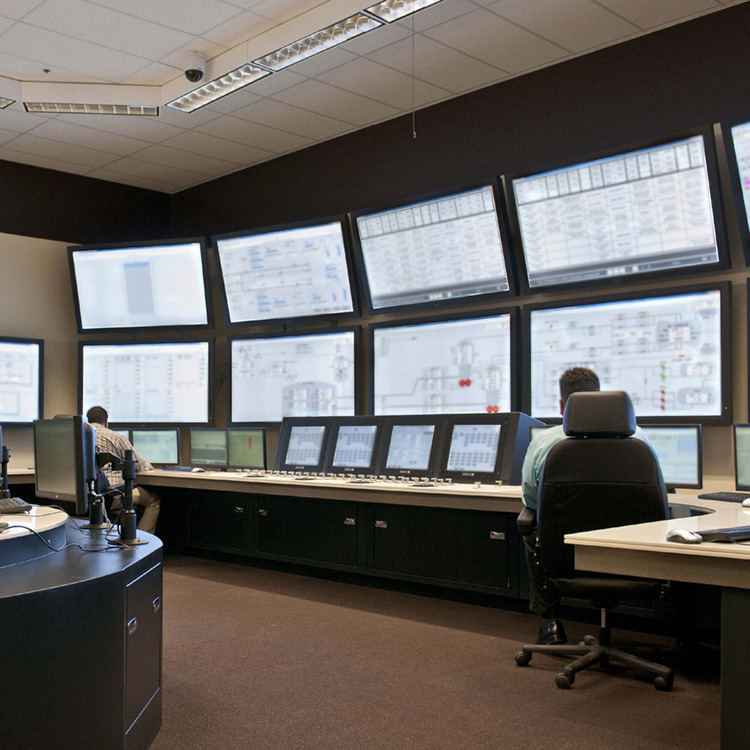
In a major milestone last week, the NRC issued an endorsement of industry guidance on upgrading nuclear plant instrument and control systems to digital.
NEI and Exelon are encouraged by the Trump administration’s continuing focus on the role that nuclear energy plays in ensuring the resilience of the national power grid and in national security.

In yet another example of the current administration’s continuing enthusiasm for nuclear energy, the U.S. Department of Energy this week announced up to $24 million to fund 10 projects that will boost advanced nuclear reactor designs.

Last week, more than 10,000 megawatts of nuclear generating capacity failed to clear PJM Interconnection’s annual capacity auction, which the regional transmission organization uses to procure power supplies for 65 million people three years into the future.

Last week the federal government took great strides—both internationally and here at home—to recognize and promote nuclear energy’s most promising attributes of emission-free electricity generation, reliability and resiliency.

As nuclear’s best and brightest gather in Atlanta for the Nuclear Energy Assembly, NEI honored 12 industry teams who have “powered the extraordinary” and made innovative ideas a reality for their plants.

This year’s annual Nuclear Energy Assembly featured exciting conversations on the technology innovations happening in the industry.
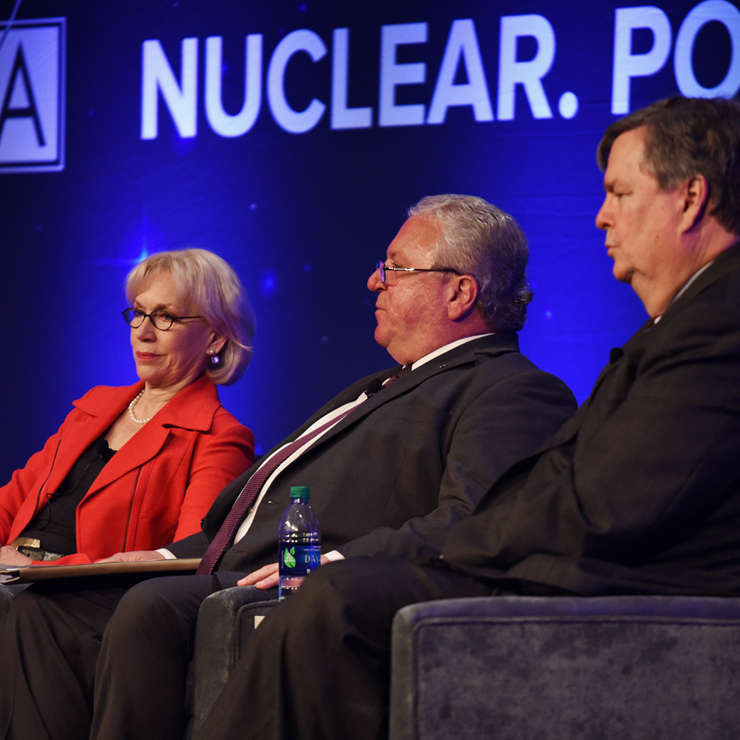
States are waking up to the fact that without nuclear plants, their economic and environmental well-being are in jeopardy.
FERC must act to define resilience to fully understand whether the grid can withstand and recover from high consequence events, NEI told FERC this week. NEI also pressed for additional analysis of how nuclear retirements and increased reliance on natural gas could impact grid resilience.
The White House transmitted new bilateral nuclear cooperation agreements, also known as Section 123 agreements, with the United Kingdom and Mexico to Congress this week.